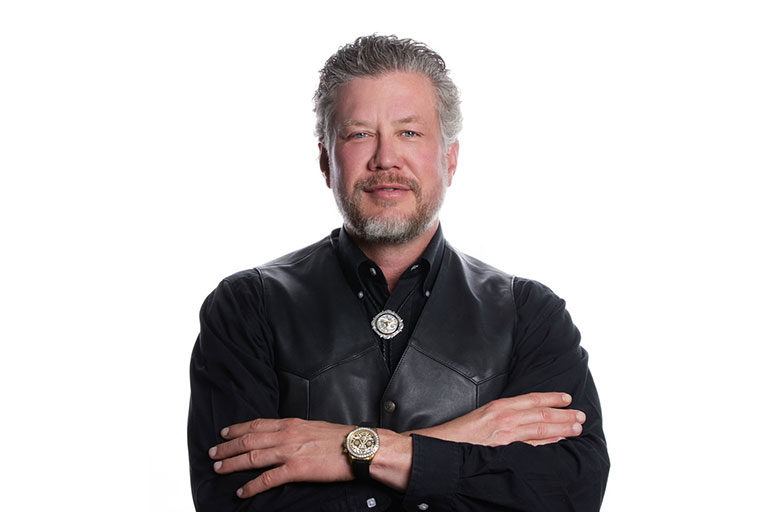
Dr. Leigh Beveridge, Australia, is a physician-scientist and biotech leader working at the intersection of medicine, science, and strategy. He grew up in Australia with a strong sense of curiosity and a habit of asking questions. That mindset shaped how he sees both patients and systems today.
He trained in medicine and later moved into clinical development, focusing on blood and immune-related diseases. Over time, his work expanded from treating individuals to helping build therapies that can reach thousands of people. In leadership roles at global biotech organizations, he has guided late-stage programs, worked with regulators, and helped bring new treatments closer to patients.
But what stands out is how he approaches people, not just science. He spends time mentoring early-career physicians and scientists, especially those navigating the transition into industry. He also supports more inclusive research and representation in STEM, creating space for others to grow.
He teaches communication and critical thinking, helping future leaders explain complex ideas clearly and simply. His belief is straightforward: clarity helps ideas move, and good ideas can change lives.
Outside of work, he stays connected to creativity through writing, design thinking, and performance. These outlets shape how he leads—with structure, but also imagination.
His work is grounded in one idea: progress in medicine is not just about discovery. It is about making sure that discovery reaches people who need it most.
What first shaped the way you think about work and success today?
I grew up in Australia in a household where curiosity was normal. One parent worked in education, the other in a technical field. There was structure, but also a lot of room to ask questions. I remember doing small science experiments at home and then trying to explain them back in simple terms. That habit stayed with me. It taught me that understanding something deeply means you can explain it clearly.
What inspires you now in your work?
It’s usually moments where science turns into something real. I’ve sat in meetings reviewing trial data, and it can feel abstract. Then you hear from an investigator that a patient who was in and out of hospital is now stable and back at work. That shift—from data to daily life—is what keeps me focused.
How did you move from clinical medicine into biotech leadership?
It wasn’t one decision. It was gradual. I trained in hematology and internal medicine, and I liked the complexity of those cases. Over time, I became more interested in how treatments were developed, not just used. I wanted to work earlier in the process. That led me into clinical development roles, where I could help shape therapies before they reached patients.
You also completed an MBA. How did that change your approach?
It gave me a different framework. In medicine, decisions are often immediate and patient-specific. In biotech, decisions affect entire programs and timelines that last years. During my MBA, I remember a case discussion where we had to make a call without full data. That’s common in development. You learn to be structured. You define the decision, understand the risks, and move forward with clarity.
How do you think about risk in your career and work?
Risk in biotech is constant. Every trial carries uncertainty. I don’t see risk as something to avoid. I see it as something to define clearly. Early in my career, I worked on a program where the biology was promising, but the data was mixed. We had to decide whether to continue. What helped was breaking the risk into parts—safety, efficacy, feasibility. That made the decision manageable.
How do you inspire confidence in your ideas when working with large teams?
Clarity is the main tool. If you can explain your idea in a way that different groups understand—clinicians, statisticians, regulators—you build alignment. I’ve been in meetings where a program stalled because the message wasn’t clear. Once we simplified the core idea, decisions moved quickly. Confidence often comes from reducing confusion.
What role does mentorship play in your work?
It’s a core part of what I do. I’ve mentored physicians moving into biotech and students in MBA programs. One thing I’ve noticed is that many people underestimate how transferable their skills are. A clinician already knows how to make decisions under pressure. They just need to learn the system they’re operating in. Mentorship helps bridge that gap.
Have you seen moments where mentorship directly changed someone’s path?
Yes. I worked with a junior physician who was unsure about leaving clinical practice. We mapped out how their skills applied to trial design and medical strategy. Within a year, they were leading parts of a study. What changed was not their ability, but their confidence in how to apply it.
What habits help you stay grounded and consistent?
Structured reading is one. I set time each week to review scientific literature and industry updates. I also rely on routines outside of work—weight training, mindfulness, and creative outlets like writing. Those activities keep me balanced. They also help me think more clearly when work becomes complex.
Looking back, what has been most important in getting you to where you are today?
Consistency and curiosity. I didn’t plan every step. I followed problems that interested me and stayed open to learning new systems. The shift from clinic to biotech, and later adding business training, all came from asking, “Where can I have the most impact?”
About The Author