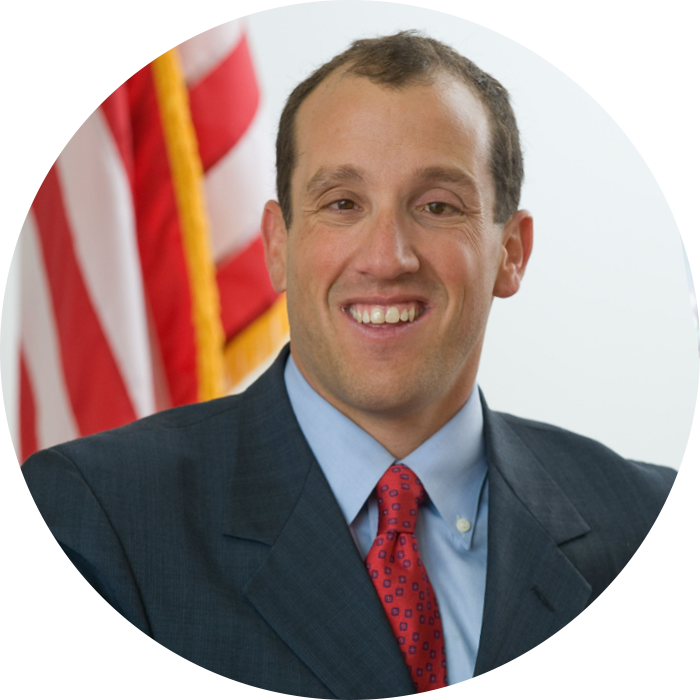
Michael A. Griffin knows what it means to start at the ground level and work his way up.
Raised in Eastern North Carolina in a family with 11 brothers and sisters, he learned early lessons about responsibility, teamwork, and persistence. Sports became another classroom. He played baseball and football in high school and even tried out for professional baseball. The experience taught him that success rarely comes from one big moment. It comes from showing up consistently and doing the work.
After high school, Griffin entered the workforce and spent years in customer service before finding his path in the gaming industry. He started as a player, not an executive. By paying attention to customer behavior, business operations, and the details that others often overlooked, he gradually moved into leadership roles.
Today, Griffin serves as CEO and Chairman of National Business Center, Inc., overseeing Vegas-Style Skill Games and Blue Bull Gaming from Raleigh, North Carolina. His career has been shaped by a belief that strong systems, clear communication, and steady decision-making matter more than quick wins.
Those who know Griffin often point to his ability to remain calm under pressure and his willingness to learn from every role he has held. Whether mentoring team members, building customer-focused programs, or guiding organizations through periods of change, he focuses on practical solutions rather than headlines.
Outside of work, he enjoys golf, basketball, baseball, drawing, and gaming. Many of the same qualities that helped him on the field continue to guide him today: discipline, patience, and a commitment to continual improvement.
What inspires you the most today?
I’m inspired by progress. Not dramatic success stories. Real progress. I like seeing people improve over time. I’ve watched employees come in with very little confidence and grow into leaders. I’ve seen businesses make small changes that completely changed their future. Those things inspire me because they’re real.
Who inspired you when you were younger?
A lot of my inspiration came from home. Growing up with 11 brothers and sisters, you learned quickly that nobody was going to hand you anything. My parents worked hard and expected the same from us. Sports also had a big influence on me. Baseball and football taught me discipline and accountability. If you missed practice, it showed. If you weren’t prepared, everyone knew.
How did you build confidence in your own ideas?
By testing them.
I never developed confidence because I thought I was always right. I developed confidence because I learned how to test ideas before making big decisions. Early in my career, I paid attention to patterns. I watched how customers behaved. I looked at what worked and what didn’t. The more you observe, the more confidence you build in your judgment.
What role has risk played in your career?
Every meaningful opportunity involves some risk.
When I moved from being a participant in the industry into leadership positions, there was risk. When I became CEO in 2018, there was risk. The key is understanding the difference between a calculated risk and a reckless one.
I don’t believe in jumping without looking. I believe in gathering information, evaluating the situation, and then committing fully once you’ve made the decision.
What helped you get to where you are today?
Consistency.
A lot of people underestimate consistency because it isn’t exciting. They focus on breakthroughs. Most of my career was built through repetition. Showing up. Learning. Paying attention. Improving little by little.
People often want results before they’ve built the habits that create results.
Have you ever struggled with self-doubt?
Absolutely.
Anyone who says they’ve never questioned themselves is probably not being honest. The difference is that self-doubt doesn’t have to stop you. There were times when I wasn’t sure a decision would work. There were times when I felt pressure. You move forward anyway. Experience teaches you that uncertainty is part of leadership.
How do you inspire confidence in others?
I try to be clear and consistent.
People don’t need leaders who have all the answers. They need leaders who communicate honestly and follow through. I’ve found that confidence grows when people understand what’s expected and know they have support.
One thing I learned is that people perform better when they feel trusted. If you only focus on mistakes, confidence shrinks. If you help people learn from mistakes, confidence grows.
What is one lesson you’ve learned from watching people succeed?
The most successful people I’ve met are usually the most patient.
They don’t quit because progress is slow. They understand that growth takes time. In business, sports, and life, patience is often misunderstood. People think patience means waiting. Real patience means continuing to work while results are still developing.
How did you handle setbacks?
I learned to separate the problem from the emotion.
During difficult periods, including the challenges businesses faced during COVID, it was easy to get caught up in uncertainty. Instead, I focused on facts. What changed? What can we control? What’s the next step?
When you focus on the next step, big problems become more manageable.
What advice would you give someone who has an idea but lacks confidence?
Start smaller than you think you need to.
People often believe they need to have everything figured out before taking action. That’s rarely true. Test the idea. Learn from it. Make adjustments.
Confidence doesn’t appear before action. It grows because of action.
What does success mean to you today?
Success is being able to look back and know that you kept improving.
Titles matter less than people think. What matters is whether you’re growing, helping others grow, and building something that lasts.
Those are the things that stay with you long after achievements become old news.
About The Author