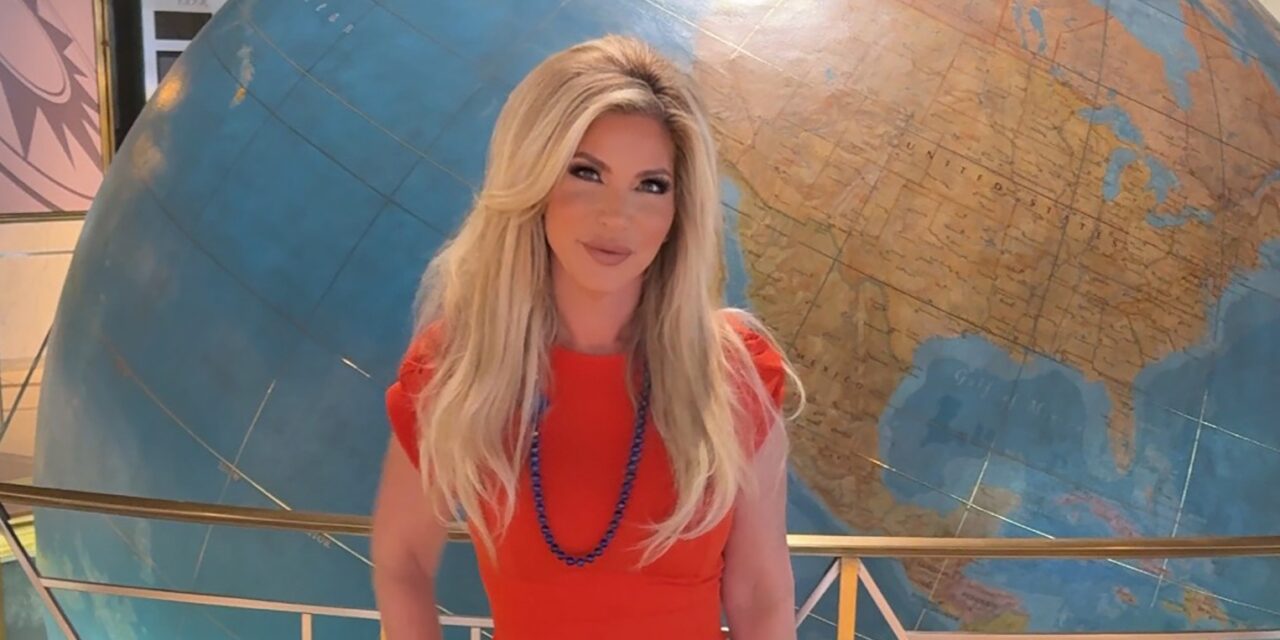
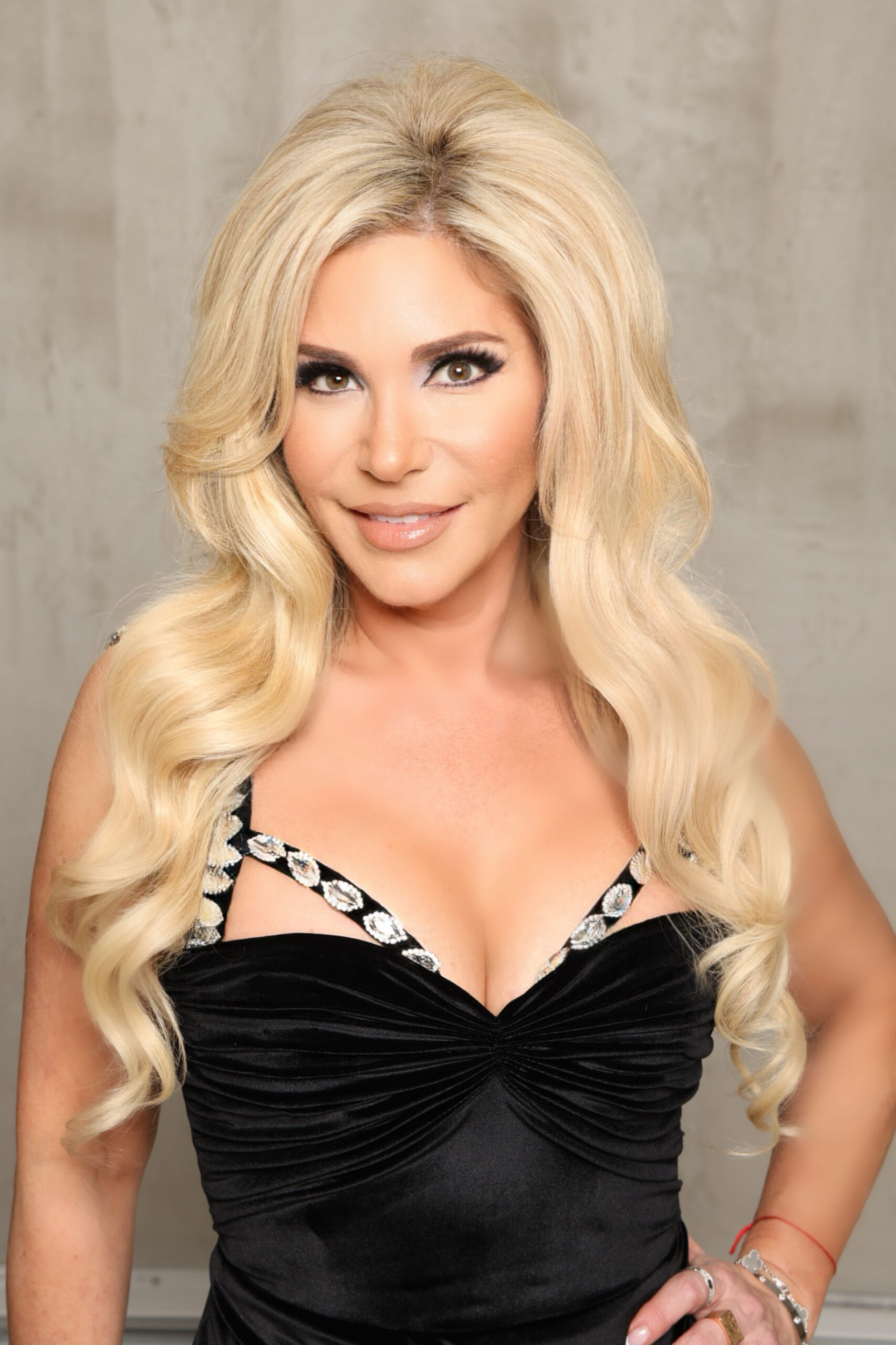
Shelli Stelmak is an accomplished on-air host, multimedia entertainment reporter, lifestyle and product expert, magazine contributor, and on-camera presenter whose poised presence and instinctive storytelling have established her as a distinctive voice in entertainment and lifestyle media. With appearances on CBS, NBC, FOX5, WLNY, WPIX, NJ Morning Show, WABC Radio, and other notable national and regional outlets, she has interviewed hundreds of figures across film, television, and music, bringing sophistication, energy, and depth to every conversation. Below, we share our interview with this influential media personality.
You’ve built an impressive career across major networks—what first drew you to entertainment journalism, and how did your journey begin?
I have always known that I wanted to be a journalist. Growing up, my dream was to become a news anchor, but I eventually realized that entertainment journalism was where I truly belonged. It allows me to spotlight inspiring people, meaningful causes, and stories that leave audiences feeling informed, uplifted, and hopeful.
My journey actually began in high school, where I first discovered my passion for writing. My English department and dean told my parents that I was born to be a journalist. Although my parents did not support my decision to pursue journalism in college, I never stopped writing. I continued contributing to magazines, and over time, that passion helped me build a career interviewing some of the biggest names in entertainment and appearing across major networks.
Was there a defining moment early on when you realized this was the path you were meant to pursue?
Yes, the defining moment came in high school when my English teachers and dean told my parents that I was born to be a journalist. Hearing educators who knew my work recognize that talent gave me the confidence to believe this wasn’t just a dream, it was my calling. As my career evolved, that feeling was reinforced every time I interviewed someone whose story had the power to inspire others. I realized my purpose wasn’t simply to ask questions, It was to create meaningful conversations that help people connect, learn, and see the person behind the public image.
What challenges did you face breaking into such a competitive, high-visibility industry?
Breaking into such a competitive, high-visibility industry was a major challenge. There were no shortcuts. I built my career one relationship at a time by consistently showing up, doing the work, and earning people’s trust.
From the beginning, I made a conscious decision to lead with integrity. I never shared private information about the celebrities I interviewed, even when doing so might have brought more attention to my work or accelerated my career. I believe trust is everything.
My goal has always been to tell compelling stories while treating people with respect, and I think that reputation has become one of my greatest strengths.
You’ve conducted hundreds of celebrity interviews—what, for you, makes an interview truly memorable?
For me, a memorable interview isn’t about the celebrity, it’s about the lesson. I always ask the questions that my audience and I genuinely want answered, and it’s those insights that stay with me long after the cameras stop rolling.
I remember asking Andrea Canning what she does after a bad interview. She told me she gives herself one day to feel disappointed, then gets back up and moves forward. I have carried that advice with me throughout my own career.
What advice would you give to aspiring entertainment journalists hoping to follow a similar path?
Be willing to do the work that others are not. One of the best pieces of advice I have ever received came from a professional athlete I interviewed. When I asked what separated him from everyone else, he said that he trained on holidays, during breaks, and when no one was watching.
The same is true in journalism. Success isn’t built only on the interviews people see, it’s built on the preparation, research, relationship-building, and persistence that happen behind the scenes. Stay curious, protect your integrity, and keep showing up, especially when it’s difficult. Those are the habits that create lasting careers.
What is one interview you’ll never forget?
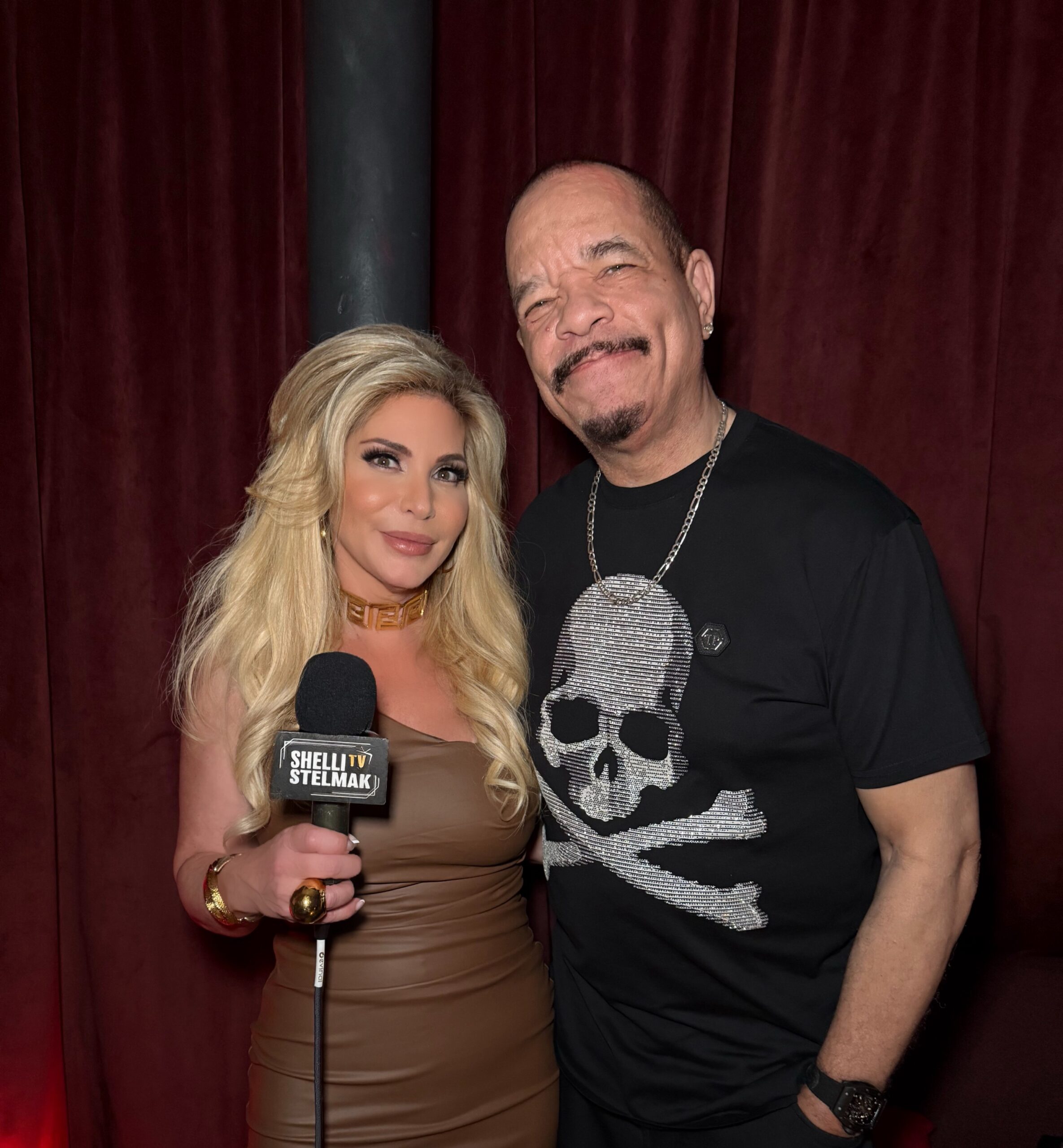
One interview I will never forget was with Ice-T. I asked him about staying grounded after decades of success, and his answer has stayed with me ever since. He said that you have to have humility and remember how fortunate you are that people choose to support your work. If you embrace that, they’ll continue to support you. But the moment you start believing that you are more important than everyone else, you will lose that support.
Name a dream guest you haven’t interviewed yet?
Kim Kardashian is one of the people at the top of my list. I think she is often underestimated. While many people say she is “famous for being famous,” I see someone with an incredibly strategic business mind who has built a global brand while raising a family and continuing to evolve professionally.
What I really want to explore is the responsibility that comes with that level of influence. One recommendation from her can sell out a product, launch a brand, or change someone’s career. I would love to understand how she balances fame, family, business, and the weight of knowing that millions of people are listening to what she says. I think there’s a much deeper story there than most people realize.
How do you prepare for red carpet interviews, especially when time with talent is so limited?
Preparation is everything because, on a red carpet, you may only have 30 seconds to a few minutes with each guest. I always start by reviewing the talent list and prioritizing the people I most hope to interview, while knowing that schedules can change at the last minute. Some expected guests don’t arrive, while others show up unexpectedly, so you have to be ready to adapt.
I research every confirmed guest and go in with a clear intention for each interview. Rather than asking the same questions everyone else is asking, I look for an angle that will reveal something authentic. If I don’t get the answer I am looking for, I rephrase the question or approach it from a different perspective. I trust my instincts, get to the point quickly, and focus on creating a genuine connection. I think that is why many of my interviews stand out, and why so many of the people I interview remember me long after the red carpet is over.
Have there been any standout moments or unexpected interactions on the red carpet that stayed with you?
Absolutely. One of the things I love most about the red carpet is that the most memorable moments are often the ones you cannot plan for. Sometimes a celebrity will unexpectedly open up about something deeply personal, or a spontaneous exchange will reveal a side of them that audiences rarely get to see.
Those moments remind me that the best interviews aren’t always about having the perfect question; they are about being present, listening, and creating an environment where people feel comfortable enough to be themselves. It is those genuine, unscripted interactions that stay with me the longest and often become the interviews people remember most.
How do you create a sense of trust while interviewing high-profile talent?
Trust is something you earn, not something you can ask for. From the moment I meet someone, I treat them with kindness and respect. I make eye contact, listen carefully, and approach every conversation with genuine curiosity rather than trying to create a sensational moment.
I also make my intentions clear: I am there to help them tell their story in the best possible light. That does not mean avoiding meaningful questions it means being fair, authentic, and never looking to embarrass anyone for a headline. Over the years, I have built a reputation for treating people with integrity, and I think that is why so many of the celebrities and public figures I interview are willing to trust me and speak openly.
You move seamlessly between red carpets, studio interviews, and street segments—how do you adapt your approach for each format?
For me, the format does not really change my approach. Whether I am on a red carpet, in a studio, or interviewing someone on the street, I prepare the same way. I do my research, know my subject, and make sure I am ready for whatever the conversation brings.
Experience has also taught me how to adapt in the moment. Live television, red carpets, and street interviews all require me to think quickly, but at the core it is still about connecting with people and telling a great story. I genuinely love what I do, so by the time the camera starts rolling, all of the preparation has become second nature. Then I simply enjoy the conversation.
Having covered both A-list talent and emerging voices, what changes have you observed in the entertainment industry over the years?
The entertainment industry has changed dramatically, largely because the media landscape has changed. News now breaks on social media in real time, so audiences often learn about a story before traditional entertainment outlets have a chance to report it. Many legacy entertainment programs have had to evolve, scale back, or compete in entirely new ways because the pace of news is faster than ever. I have also noticed that celebrities are much more thoughtful about what they say publicly. In an era of social media and online backlash, a comment can be taken out of context and spread within minutes. I understand why that makes people more cautious.
That is why building trust has become even more important. I work hard to create an environment where people feel comfortable sharing their stories, knowing that my goal is to represent them fairly and authentically, not to create a sensational headline. Today, entertainment journalists are not only competing with other reporters or networks; we are competing with millions of people who have a phone, a social media account, and the ability to break news instantly.
About The Author