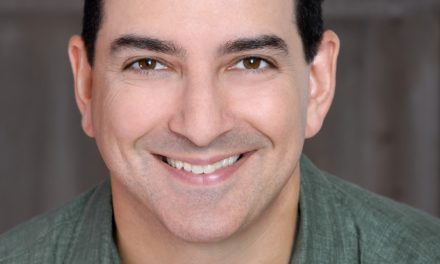
Michael Bloom is a registered nurse based in New York who uses empathy and understanding to shape his care. From his early days growing up in North Jersey, Michael’s curiosity about people inspired him to choose nursing. He learned to listen deeply and pay attention to people’s emotions through his experiences in theatre, photography, and community service.
While studying nursing, Michael Bloom also worked as a barista. At first, he thought it was just a part-time job. However, it taught him how to read people quickly and stay calm under pressure. These skills helped him greatly during his nursing rotations, especially in busy units.
Michael’s dedication to learning Spanish has also made a difference. By speaking directly with Spanish-speaking patients, he reduces their anxiety and creates trust. Once, when no interpreter was available, Michael was able to help a patient better understand their plan of treatment. Moments like these showed him how powerful direct communication can be.
He believes deeply in whole-person care—seeing patients as people first, not just medical cases. Michael also mentors younger nurses, teaching them that kindness and understanding are just as important as medical skills. Today, Michael continues to advocate for emotional and cultural awareness in healthcare. He reminds others that small acts of compassion can have a lasting impact. By sharing his experiences openly, Michael helps others see the power in treating everyone with empathy and respect.
Michael, you’ve mentioned that your early experiences inspired your journey into nursing. What inspired you most growing up?
I grew up in a family that always prized and prioritized science- both of my parents are chemists who encouraged me to pursue a career in STEM. As a child, I remember getting a book about the human body and being completely fascinated, reading it front to back over and over. When I was a teenager, I broke my leg and needed emergency surgery to repair it. In the ED and perioperative setting, I got to see nurses at work beyond the outpatient world. I finally understood how I could merge my interest in science and anatomy with my desire to help and serve people, and instantly knew where I wanted to go in my career.
How did your work at Saxbys café shape the way you approach challenges and risks in nursing?
Saxbys was surprisingly critical in shaping how I handle stress and uncertainty. Every morning brought a new challenge, whether it was a broken espresso machine or an upset customer. I learned to prioritize very quickly, figuring out which drinks needed to be made next, and what ingredients needed replenishing. I learned to set up myself and my team for success, so that in a situation where everything feels like it’s going off the rails, we had a strong base to build off. In nursing, I take the same approach, handling each crisis calmly and confidently because I’ve learned to trust my instincts and training.
Speaking of inspiring confidence, how do you approach mentoring younger nurses?
When I worked as a teaching assistant in anatomy and physiology, I noticed students were often nervous about complex topics. I’d always start by sharing stories of times when I was unsure or struggled myself. A lot of the time, they had trouble with the same topics I had difficulty with the year before, and I was always happy to share how I learned and felt confident with the material. By sharing that openly, students saw that it’s okay not to know everything immediately. Being open about my own learning process helps inspire confidence because it shows we’re all still learning. I keep in mind that confidence doesn’t mean having all the answers—it means being comfortable enough to ask questions and learn from every situation.
Learning Spanish seems like a significant part of your journey. What inspired you to commit to language as part of your professional growth?
Initially, I studied Spanish purely out of obligation: it was the only language offered at my small middle school. But, when I decided to go into nursing, I committed myself to improving my language skills to better connect with my patients. As much as we wish it were different, an interpreter is not always around, so it often falls to the medical staff to communicate with the patient themselves. By trying to remove that language barrier, I can improve patient care, and develop trust between the patient and myself. A patient who feels seen is often a patient who’s better able to become an active participant in their care, and one whose needs are better met.
How do you inspire others to take risks or pursue their own ideas in healthcare?
I encourage people by modelling risk-taking myself. For example, during college, I initiated a small volunteer project teaching peers how to administer Narcan, a drug used during opioid overdoses. It was pretty terrifying at first; we worried whether fellow students would even want to engage with it. But I trusted the idea because I saw a clear need. It turned out to be impactful and empowering for some who participated. I share that experience with others to show them that meaningful change often involves some risk, but if you clearly see its value, trust yourself to pursue it.
What’s one piece of advice you’ve been given that continues to inspire you today?
One of the nurses who supervised me at a summer externship in trauma care told me something I’ll never forget: “Every shift you have as a nurse will give you a chance to learn something new.” It stuck with me because it reframed challenges into learning opportunities about patient care, procedures, and interdisciplinary cooperation. Nursing is complex and unpredictable, but viewing every situation as something new to learn keeps me inspired, even on difficult days. No matter where I am, be it a clinical, administrative, or educational setting I try to approach each moment openly and curiously. I believe that committing yourself to learning continuously is the only way to improve, and to be a better nurse and caregiver.
About The Author