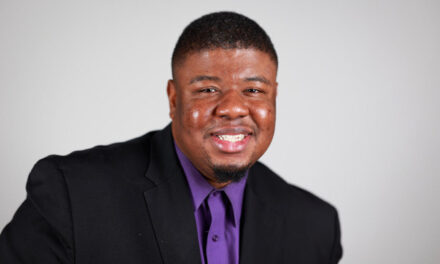
Armik Aghakhani has built his career around discipline, long-term thinking, and steady leadership. He is known for working in complex, high-stakes environments where decisions carry real weight. Over the years, he has developed a reputation for staying calm under pressure and choosing structure over noise.
His approach is quiet but firm. He believes strong outcomes come from preparation, patience, and clarity. In negotiations and strategic planning, he focuses on protecting long-term value rather than chasing short-term wins. That mindset has shaped the way teams around him operate. People who work with him often adopt the same steady rhythm. Slow down. Think deeper. Act with intention.
Armik’s leadership style centers on responsibility. He studies details. He asks hard questions. He listens before speaking. Those habits create trust in rooms where tension runs high. They also set a standard for others to raise their own level of discipline.
Beyond business, he values growth as a lifelong process. He encourages reflection before reaction. He believes reputation is built over decades, not moments. That perspective influences the people around him. Many leave conversations with him thinking more clearly and planning more carefully.
Armik Aghakhani continues to focus on structure, credibility, and thoughtful decision-making. His example shows that influence does not require volume. It requires steadiness, integrity, and the courage to act only when the timing is right.
Q&A:
Q: When people talk about inspiration, they often mean big moments. What actually inspires you day to day?
Inspiration, for me, is not dramatic. It is discipline. I am inspired by people who stay steady when pressure rises. In high-stakes negotiations, I have seen how emotion can derail strong ideas. Watching someone remain calm and think clearly under stress motivates me more than any speech ever could.
I am also inspired by structure. A well-built plan. A balanced agreement. A team that knows its numbers and its limits. Those things tell me someone cares about the long term. That inspires confidence.
Q: You operate in complex, high-value environments. How did you build the confidence to work at that level?
Confidence did not come from one success. It came from preparation. Early in my career, I realized that people who speak the loudest are not always the most prepared. I decided to focus on depth instead of volume.
Before major negotiations, I would map every scenario. Best case. Worst case. Middle ground. I studied incentives on both sides. I asked myself what I would do if conditions shifted suddenly. That repetition built calm. Calm built confidence.
Over time, I noticed something. When you know your data cold, you do not rush. You can afford to pause. That pause changes the room.
Q: You are known for practicing restraint in negotiations. How does that inspire confidence in others?
Restraint shows that you are not desperate. When you do not react quickly, people assume you have options. That perception matters.
I remember one meeting where the other party tried to create urgency. They pushed for immediate commitment. Instead of responding, I asked a simple question about their internal approval timeline. The room shifted. The urgency faded. We gained leverage without confrontation.
When teams see that approach work, they start adopting it themselves. They learn that silence is not weakness. It is control.
Q: How do you inspire others to take smart risks?
Risk should be structured. I do not encourage blind leaps. I encourage informed movement.
If someone brings me an idea, I ask them to stress test it. What happens if market conditions drop 20 percent? What if financing tightens? If the idea survives those questions, then we move.
This method builds courage grounded in logic. People feel confident taking risks when they understand the downside clearly. Unknown risk creates fear. Measured risk creates momentum.
Q: What role does preparation play in inspiring trust?
Preparation is everything. In one cross-border discussion, we were negotiating terms tied to regulatory timing. I had spent days reviewing country-specific approval cycles. When questions arose, I answered immediately with specifics. That level of detail shifts perception.
People trust leaders who know their terrain. When others see that preparation, they feel safer following your direction.
Q: How do you inspire belief in new ideas without overselling them?
I avoid hype. I focus on structure.
If an idea works only in perfect conditions, it is fragile. I push for durability. Phased investment. Built-in review points. Clear exit clauses.
When you show people that an idea can survive pressure, belief grows naturally. You do not need motivational language. The structure speaks for itself.
Q: What shaped your leadership style over time?
Experience in volatile environments shaped it. Markets move. Regulations shift. Political climates change. I learned that reacting emotionally multiplies risk.
I also learned that credibility compounds slowly. One disciplined decision builds trust. Several disciplined decisions build reputation.
Early on, I watched leaders lose leverage because they wanted to win the moment. I chose a different path. Protect the structure first. Celebrate later.
Q: What advice would you give to someone trying to build confidence in their ideas?
Know your numbers. Know your limits. Know your alternatives.
Confidence without preparation is noise. Confidence with preparation is influence.
Slow down your responses. Ask precise questions. Write your non-negotiables before entering the room. These habits build authority quietly.
Q: Looking back, what truly helped you get to where you are today?
Consistency. I treated each decision as part of a longer arc. I did not chase dramatic wins. I focused on durability.
Over time, people notice steadiness. They notice who stays calm when others react. They notice who protects long-term value.
Inspiration is not about speeches. It is about showing, repeatedly, that discipline outperforms impulse. When others see that pattern, they begin to mirror it.
About The Author