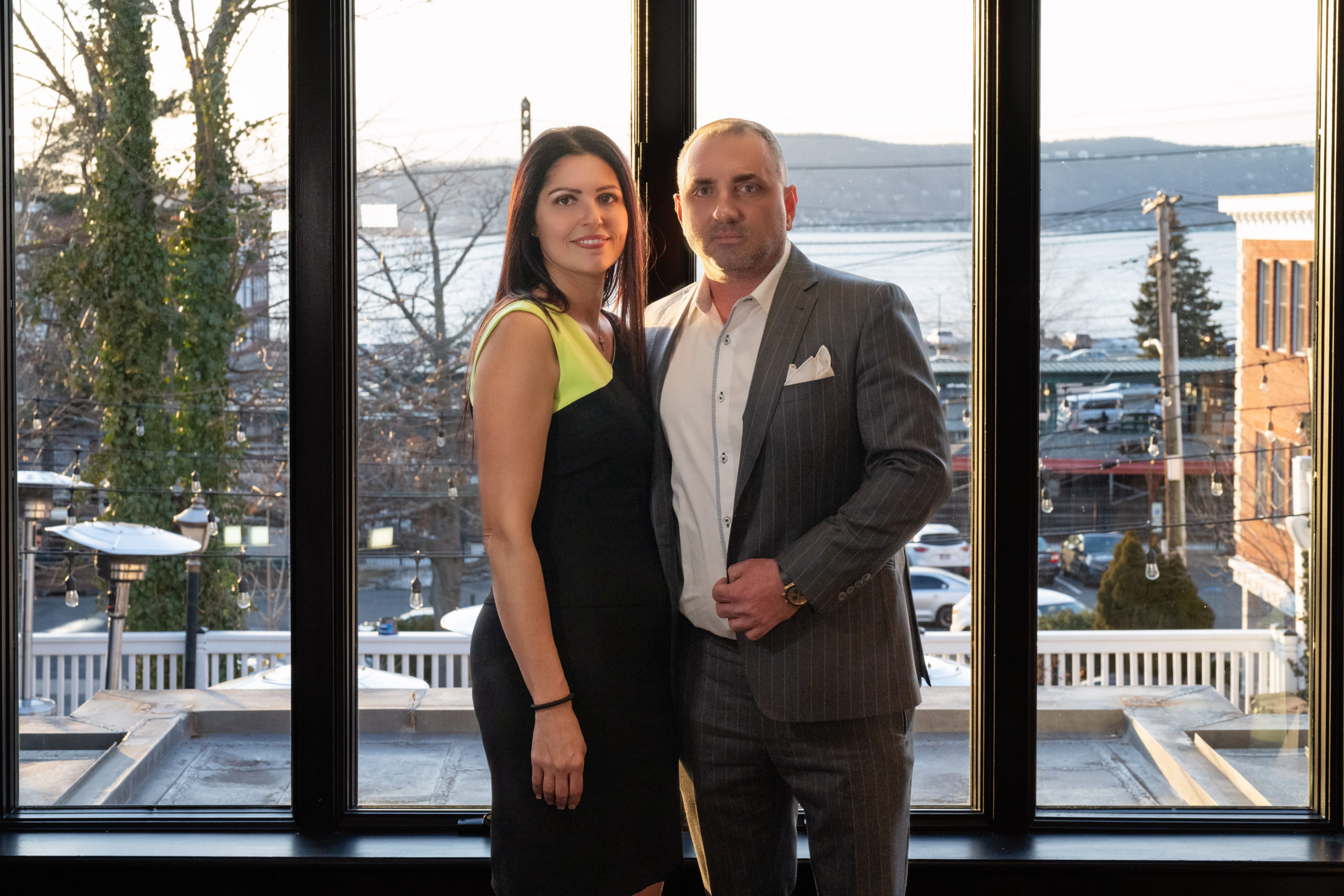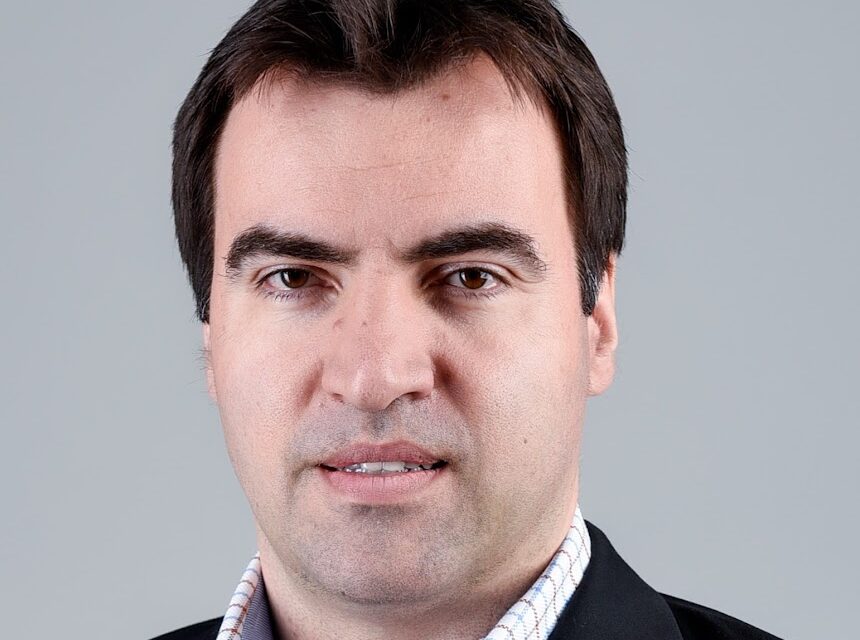
Miroslav Boyanov has built a life shaped by movement, hard choices, and steady growth. He was born and raised in Bulgaria, where he spent his early years playing soccer, swimming, and climbing mountains. Those experiences taught him how to keep going when the path is steep. At twenty two, he moved to the United States to study. He worked his way through Drexel University, earned degrees in accounting and taxation, and became a CPA. Later, he earned an MBA from Duke and completed advanced studies in Europe and at Wharton.
His career took him into hospitals and health systems facing pressure. He stepped into roles where budgets were tight, leadership was uncertain, or operations needed fast support. Over time, people began to ask for him during tough moments. They knew he would bring calm thinking and a sense of direction. He never tried to make those moments about himself. He focused on the work, the teams, and the outcome.
Colleagues often remember the same thing about him. He listens first. He asks clear questions. He steps in when others hesitate. In Europe and the Middle East, he helped organizations enter new markets, stabilize joint ventures, and manage large transitions. His steady approach showed people that difficult situations can turn into new starts.
He still carries the habits he learned as a young athlete and immigrant. Stay alert. Stay flexible. Keep learning. He continues to take roles that demand focus and resilience, and he encourages others to trust what they can do today rather than fear what might happen later.
“Act Before the Crisis Hits”. Miroslav Boyanov’s Warning to Leaders
What shaped your sense of inspiration early in life?
Growing up in Bulgaria had a strong influence on me. I spent a lot of time outdoors. Soccer, swimming, and climbing in the mountains were normal parts of my routine. Those activities taught me how to deal with difficulty without overthinking it. When you climb, you cannot focus on the peak. You focus on the next step. That stayed with me. Moving to the United States in my early twenties was another turning point. I did not know many people. I had to study, work, and learn a new system all at once. It was hard, but it showed me that growth often happens when you are slightly uncomfortable.
Many people say you bring calm to stressful situations. How did you develop that ability?
Most of my career has taken place inside organizations that were already under pressure. At Essent Healthcare, I rotated through several hospitals where teams needed stability. Later, at IASIS and then in international roles, I worked with assets that were losing money or needed a complete reset. You learn to stay calm when chaos becomes familiar. I also do something that most people do not expect. I doubt myself privately. That doubt forces me to prepare and think clearly. It keeps me from assuming I am right, which helps me stay grounded during tense moments.
What inspires you when the work feels heavy or complicated?
Clarity inspires me. When a situation looks messy, I look for one small part that makes sense. Once you find that, everything else becomes easier to organize. I also feel inspired by people who show up even when things are difficult. During a transition project in Europe, I worked with a financial controller who stayed late every night, not because anyone asked him to, but because he wanted the numbers to be right. That kind of responsibility gives me energy. It reminds me that progress is built through patience, not noise.
How do you think you inspire confidence in others?
I try to make people feel included. In Saudi Arabia, I once took over a failing market where the staff felt ignored by and disconnected from senior executives. Before changing anything, I sat with the team members and asked them what they wanted to fix first. Many told me no one had asked them that before. Once they saw that I listened, they became more confident in the direction we set together. Confidence spreads when people feel connected to the work. You cannot create that from a distance.
You have taken on many high risk assignments. What helps you make decisions in uncertain environments?
I focus on the near term. Long term plans sound impressive, but they can fall apart quickly. In international markets, regulations shift, partnerships change, and public expectations move fast. I look at what I can influence today. For example, during a joint venture transition in Europe, we needed to decide whether to cut a service line that was losing money. Instead of debating five year forecasts, I studied the next six months. What would happen if we kept it. What would happen if we closed it. That approach led to a decision that protected the hospital while keeping options open for future growth.
How do you help others take risks without feeling overwhelmed?
I show them that risk does not always mean danger. It means you are moving into an area you have not mastered yet. When I mentor younger staff, I tell them they do not need to have every answer before taking on a new responsibility. When I first stepped into an interim CFO role, I felt pressure to solve everything right away. Instead, I focused on the first three issues that were slowing the team down. Solving those opened up space for everything else. I encourage people to choose one area, improve it, and let that progress build momentum.
What continues to inspire you in your current work?
Learning. That may sound simple, but it is true. Even after years of schooling and experience, I enrolled in the Advanced Management Program at Wharton because I felt I had more to understand. The world changes fast. Markets shift. Leadership expectations evolve. Staying curious keeps me motivated. It also keeps me honest about what I need to improve.
Looking back, what do you hope others learn from your journey?
That growth often comes from stepping into hard places rather than avoiding them. I moved countries, changed roles many times, and worked in markets that were unpredictable. None of it was easy. But each step opened something new. If people learn anything from my path, I hope it is that you do not need the perfect plan to move forward. You just need to be willing to take the next step with focus and integrity.
About The Author