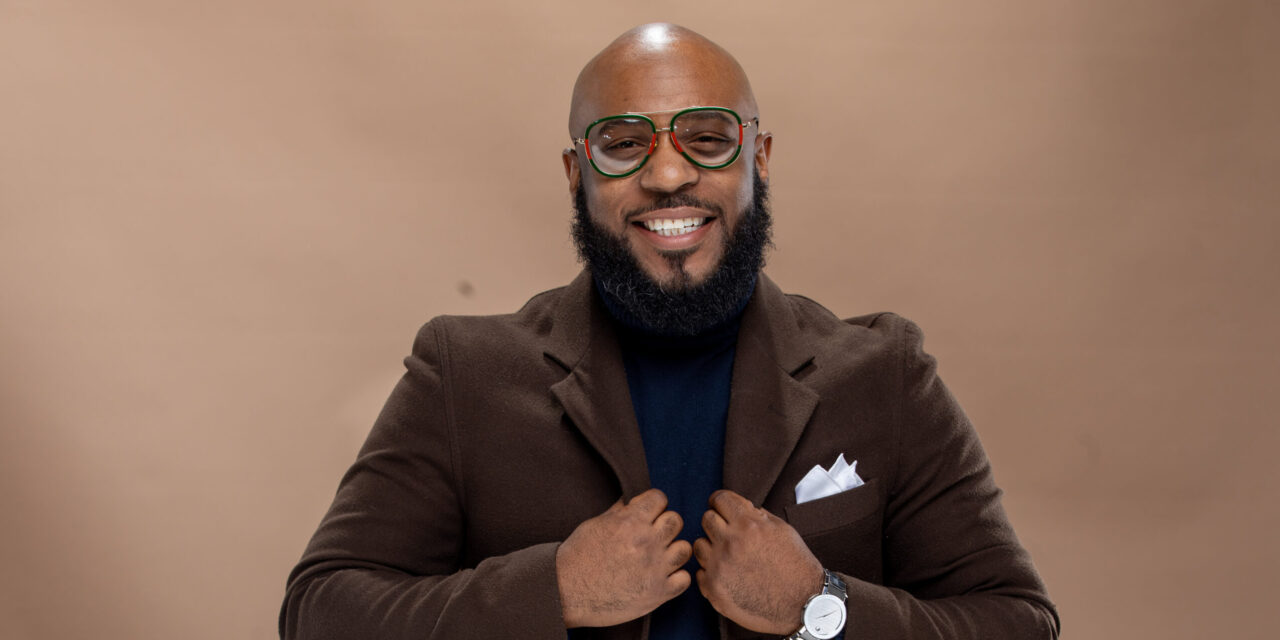
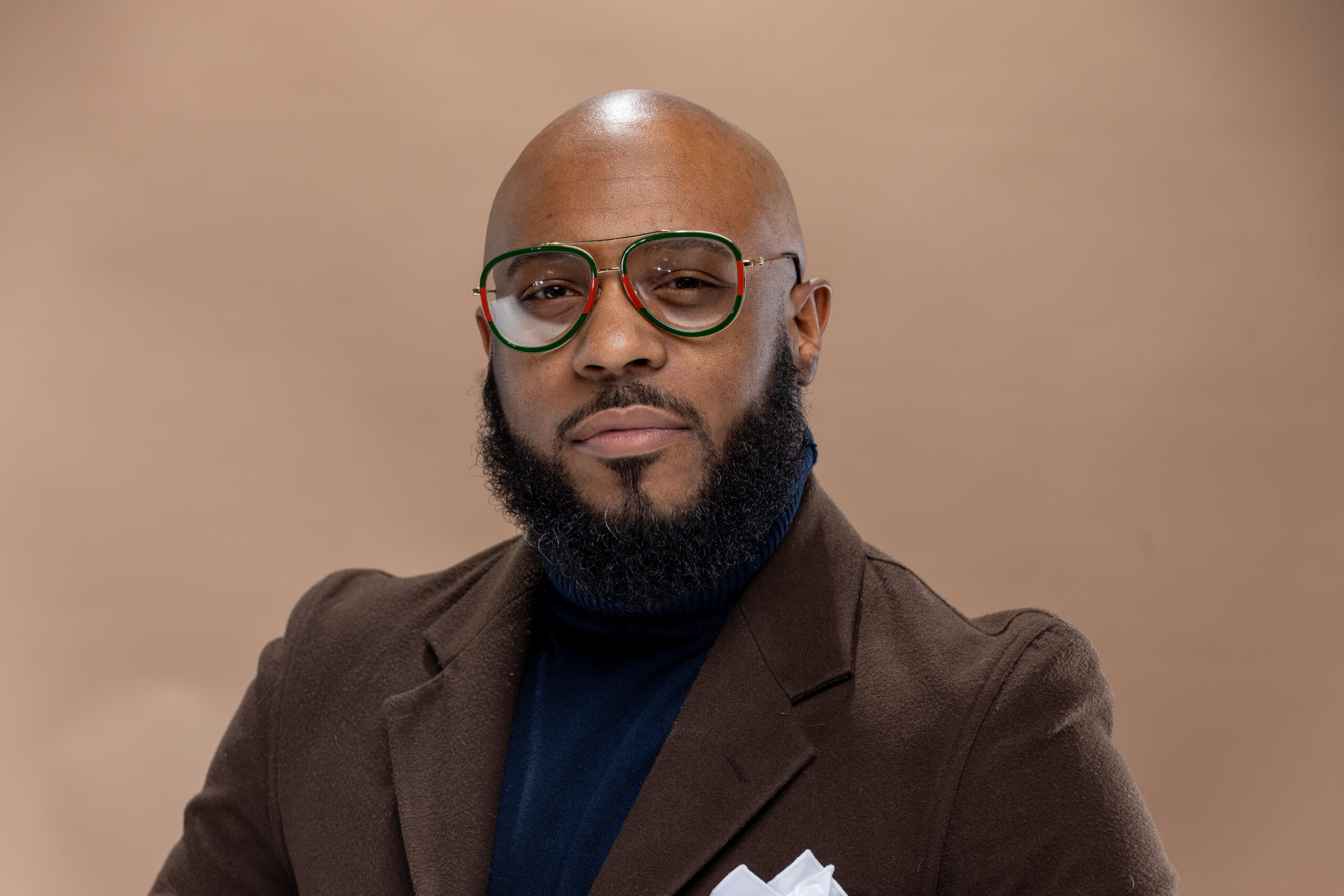
Founder of Khal Horizons Consulting Group, Brandon Young has built a career at the intersection of operational discipline, growth strategy, and social impact. With more than a decade of experience leading organizations across healthcare, insurance, and B2B services, he has earned a reputation for translating vision into measurable outcomes — particularly in complex, mission-driven environments.
As Founder and CEO of Safety Ops Specialists, Young oversees enterprise strategy, compliance, and profitability with a hands-on leadership style grounded in accountability and execution. Alongside his executive role, he advises healthcare organizations, nonprofits, and early-stage founders on scaling operations, entering new markets, and building sustainable systems that prioritize both performance and purpose.
Beyond business growth, Young’s work is deeply rooted in community impact. From advancing healthcare access for underserved seniors to supporting formerly incarcerated individuals through reentry and mental health initiatives, his leadership reflects a belief that equity is built through systems, not slogans. In this interview, Young shares how purpose-driven strategy, operational rigor, and compassion work together to create lasting change.

You’ve dedicated significant work to community-focused organizations like Silent Cry and Neway Works. What motivates your commitment to social impact alongside your executive career?
Brandon: My commitment to social impact comes from the belief that leadership carries responsibility beyond the balance sheet. Working with organizations like Silent Cry and Neway Works has reinforced that sustainable change happens when operational discipline and compassion work together.
These experiences keep me grounded. They shape how I lead, reminding me that strategy and growth are most meaningful when they translate into real outcomes for people and communities. Integrating social impact alongside my executive work isn’t separate from my career — it’s central to how I define effective leadership.
How do your professional values intersect with your personal mission to advance equity and empower underserved populations?
Brandon: My professional values and personal mission are deeply aligned. I believe equity is advanced not only through intention, but through systems that create access, accountability, and opportunity. In my work, that shows up as building organizations that remove barriers, align incentives, and measure success by real outcomes — not just activity.
Empowering underserved populations requires both empathy and execution. I bring that mindset into leadership by pairing mission-driven goals with operational rigor, ensuring that impact is scalable, sustainable, and lasting rather than symbolic.
Can you share a moment or project where your work directly transformed the life of an individual or community?
Brandon: One moment that stands out was leading a community-based outreach initiative focused on seniors who were disconnected from consistent primary care. Through a coordinated effort that combined trusted local partnerships, targeted outreach, and operational follow-through, we were able to connect individuals who had gone years without preventive care to stable, value-based healthcare services.
I remember speaking with one senior who had avoided care for over two years with not so much as stepping outside of her home due to past experiences and lack of access. After enrolling and receiving consistent support, her health stabilized and they expressed, for the first time, feeling “seen” by the system. That experience reinforced for me that when strategy, operations, and community trust are aligned, the impact is not abstract — it’s deeply personal and life-changing.
As someone advising first-time entrepreneurs and nonprofit leaders, what do you tell them about leading with purpose rather than just profit?
Brandon: I tell them that purpose and profit are not competing forces — they reinforce each other when approached correctly. Leading with purpose means being clear about the problem you exist to solve and building systems that deliver real value consistently. When purpose is authentic and operationalized, it creates trust, attracts the right people, and drives long-term sustainability.
For entrepreneurs and nonprofit leaders, the key is discipline. Purpose without structure leads to burnout; profit without purpose leads to misalignment. The strongest organizations are those that intentionally design their strategy, operations, and metrics to serve both mission and sustainability at the same time.
You’ve helped formerly incarcerated individuals reintegrate into society. How has that experience shaped your perspective on leadership and systemic change?
Brandon: Working with formerly incarcerated individuals fundamentally reshaped how I think about leadership and systems. It made clear that many barriers people face are structural, not a lack of ability or motivation. When given access, clear expectations, and real opportunity, people consistently rise to the occasion.
That experience reinforced for me that effective leadership is about designing systems that unlock potential rather than continuously punish past circumstances. No reform is legitimate if progress cannot be measured in the integration of everyday life. Real systemic change doesn’t come from intent alone — it comes from creating pathways, accountability, and support that allow people to participate fully and contribute meaningfully.
What was the best part of 2025 and what are you most excited about for the new year?
Brandon: The best part of 2025 was seeing ideas turn into real, measurable impact — helping the non profit organizations that I’m apart of strengthen foundations, scale responsibly, and create outcomes that mattered for both the organizations and the communities that were served. It was a year of alignment, where strategy, execution, and purpose increasingly came together.
Looking ahead, I’m most excited about deepening that work in the new year — expanding advisory efforts, building more scalable systems, and partnering with leaders who are serious about sustainable growth and meaningful impact. The focus is on moving with intention and continuing to turn vision into execution.
Looking ahead, what social or community initiatives are you most excited about advancing in the next five years, and why?
Brandon: Looking ahead, I’m most excited about advancing initiatives that sit at the intersection of access, workforce development, and sustainable systems. That includes such Non profit organizations such as C-CORE meaning Community Center of Rights and Equity. This has key components such as Social Justice, cultural competency, and neighborhood action teams which help mobilize residents to address concerns such as housing, policing, and education. I also plan on helping to expand pathways to healthcare access for seniors and underserved populations, strengthening reentry and employment programs for formerly incarcerated individuals, and supporting community-based organizations with the operational infrastructure they need to scale effectively.
What excites me most is moving beyond short-term programs toward long-term solutions — building models that create stability, dignity, and measurable outcomes. When communities are supported by systems designed to last, the impact compounds over time, and that’s where real change happens.

Follow online: LinkedIn: http://linkedin.com/in/byoung9
Facebook: Brandon Muhammad
Web: www.safetyopsspecialists.com
www.khalhorizonsconsulting.info
About The Author