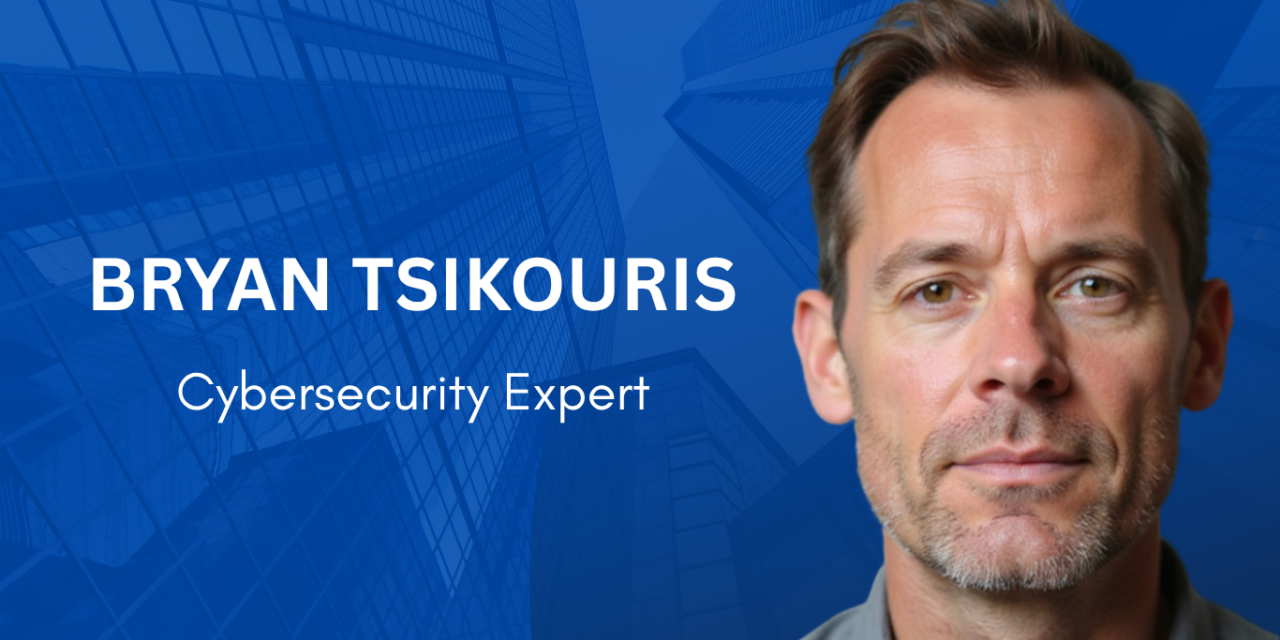
Bryan Tsikouris is a veteran technology consultant and cybersecurity expert based in Illinois with decades of experience in software development, network security, and emerging technologies. He began working with computers in the 1970s during the early rise of personal computing, giving him a rare firsthand perspective on the evolution of digital systems and cybersecurity. Over the course of his career, Bryan has helped organizations identify vulnerabilities, strengthen operational resilience, and prevent costly disruptions before they occur. As an independent consultant, Bryan works with businesses to uncover hidden weaknesses in their infrastructure and develop practical, real-world security strategies. His expertise spans software and network security, blockchain applications, risk management, and the integration of artificial intelligence for small and medium-sized businesses. Known for simplifying complex technical issues, Bryan focuses on delivering solutions that are both effective and understandable for leadership teams.
Throughout his career, Bryan has helped companies save millions of dollars by preventing breaches, minimizing downtime, and improving system reliability. He is especially passionate about helping businesses balance innovation with security in a rapidly changing digital landscape. Outside of his professional work, Bryan values time with his family and believes maintaining balance is essential for long-term success and clear decision-making.
You started your career when personal computers were still in their early stages. How has the evolution of technology changed the way businesses think about cybersecurity today?
When I started working with computers in the 1970s, security was not a major concern because systems were isolated and far less connected. Today, businesses operate in a completely different environment. Everything is connected through cloud services, mobile devices, and remote networks. That convenience also creates more opportunities for attackers. Companies now understand that cybersecurity is not only an IT issue. It is a business survival issue. A single breach can damage finances, operations, and reputation overnight. The biggest shift I have seen is that organizations are finally realizing security must be built into systems from the beginning, rather than treated as an afterthought.
Many companies still underestimate hidden vulnerabilities in their systems. What are the most common security blind spots you encounter when working with organizations?
One of the biggest blind spots is outdated software that companies continue using because replacing it seems expensive or inconvenient. Another issue is weak employee security awareness. Many breaches happen because someone clicks a malicious link or uses poor password practices. I also see organizations relying too heavily on automated tools without understanding their own systems. Technology alone cannot solve security problems. Businesses need regular audits, testing, and clear policies. Smaller companies, especially, assume they are too small to be targeted, which is dangerous thinking. Attackers often focus on easier targets with weaker defenses. A proactive mindset is one of the strongest forms of protection.
Ransomware attacks continue to rise across industries. What practical steps should small and medium-sized businesses take to protect themselves from these threats?
The first step is maintaining secure, isolated backups, because they are often the difference between recovery and disaster. Businesses should also keep their systems up to date with the latest security patches. Multi-factor authentication is another critical layer of protection that many companies still ignore. Employee training matters just as much as technology because phishing emails remain one of the most common attack methods. I also encourage companies to segment their networks so that one compromised area does not affect the entire operation. Finally, organizations should have an incident response plan in place before an attack occurs. Preparation reduces panic and allows businesses to recover faster when problems occur.
You have extensive experience in software and network security. In your view, what separates a resilient system from one that is likely to fail under pressure?
A resilient system is designed with failure in mind. Strong organizations understand that disruptions will occur, whether from cyberattacks, hardware failures, or human errors. The key difference is preparation. Resilient systems include redundancy, monitoring, regular testing, and recovery procedures. Weak systems are usually built around convenience instead of long-term stability. I often see businesses ignore maintenance until something breaks. That approach creates unnecessary risk. Good security also depends on communication between leadership and technical teams. When decision-makers understand the importance of resilience, companies invest in the right safeguards. A resilient system is not perfect, but it can adapt and recover quickly under pressure.
Artificial intelligence is rapidly transforming business operations. What are the biggest cybersecurity risks companies should consider when integrating AI tools into their workflows?
AI can improve efficiency, but companies must understand the risks that come with it. One concern is data exposure. Businesses sometimes feed sensitive information into AI systems without understanding where that data is stored or processed. Another issue is overreliance on AI-generated decisions without human oversight. Attackers are also using AI to create more convincing phishing scams and automated attacks. Organizations need strong governance policies around AI usage. They should define what data can be shared, who has access, and how outputs are verified. AI is a powerful tool, but businesses must approach it carefully and combine it with human judgment and accountability.
Blockchain is often discussed in connection with cryptocurrency, but you also focus on its security applications. How can blockchain technology improve trust and resilience in modern systems?
Blockchain has value far beyond digital currencies. At its core, blockchain creates transparent and tamper-resistant records. That makes it useful in areas where trust and verification are important. For example, organizations can use blockchain to improve supply chain tracking, secure transactions, and validate records without relying on a single central authority. From a security perspective, decentralization reduces certain points of failure that attackers often target. However, blockchain is not a magic solution. Businesses still need strong implementation practices and governance. I see blockchain as another tool that can strengthen resilience when used correctly within a broader cybersecurity and operational strategy.
Many organizations struggle to balance innovation with security. How can businesses adopt new technologies without exposing themselves to unnecessary risks?
Innovation should never move faster than an organization’s ability to secure and manage it. I encourage businesses to evaluate new technologies carefully before deployment. That means testing systems, understanding risks, and developing clear security policies. Too often, companies adopt tools simply because competitors are doing so, without considering the long-term consequences. Security teams should be involved early in the decision-making process rather than being brought in afterward to fix problems. Businesses also need ongoing monitoring because risks evolve. The goal is not to avoid innovation. It is to adopt technology responsibly. Organizations that balance growth with preparation are usually far more successful in the long run.
Cybersecurity is becoming more complex every year. What skills or mindsets do you believe the next generation of technology professionals must develop to succeed?
Technical knowledge is important, but curiosity and adaptability are just as critical. Technology changes constantly, so professionals must be willing to keep learning throughout their careers. Problem-solving skills are essential, as cybersecurity often requires creative thinking under pressure. Young professionals should learn how systems work at a foundational level instead of relying entirely on automated tools. Communication is another valuable skill. Security experts need to explain risks in ways that business leaders can understand. Finally, integrity matters. People working in cybersecurity are trusted with sensitive systems and information. Strong ethics and accountability are necessary for building trust and maintaining secure environments.
You have helped companies prevent costly disruptions and save millions of dollars. Can you share an example of a situation where identifying a hidden weakness made a major difference for a client?
I once worked with a company that believed its systems were secure because they had modern firewalls and antivirus software. During an assessment, I discovered outdated internal access permissions that allowed employees to access sensitive systems they should not have. That type of weakness is often overlooked because companies focus mostly on external threats. We redesigned their access controls, improved monitoring, and implemented stronger authentication measures. A few months later, the company detected suspicious activity tied to compromised employee credentials. Because the new protections were already in place, the attack was contained quickly. That prevented what could have become a very costly operational and financial crisis.
Looking ahead, what emerging technology trends or cyber threats do you believe businesses should be preparing for over the next five to ten years?
AI-driven attacks will become a major challenge because attackers can automate phishing, malware creation, and social engineering at a much larger scale. I also believe critical infrastructure will face increasing threats as more systems become connected through the Internet of Things. Businesses should pay close attention to supply chain security because vulnerabilities often come through third-party vendors. Quantum computing is another long-term concern because it could eventually weaken current encryption methods. Companies that prepare early will have a significant advantage. Over the next decade, organizations must focus not only on prevention but also on resilience, rapid response, and the ability to recover quickly from disruptions.
About The Author