Why Iced Coffee Matters Now
Gen Z has made iced coffee a lifestyle. It’s not just a drink. It’s a routine, a social trend, and even a personality marker. The shift isn’t just about taste. It’s about what iced coffee represents: convenience, customisation, flavor, and a cleaner approach to energy.
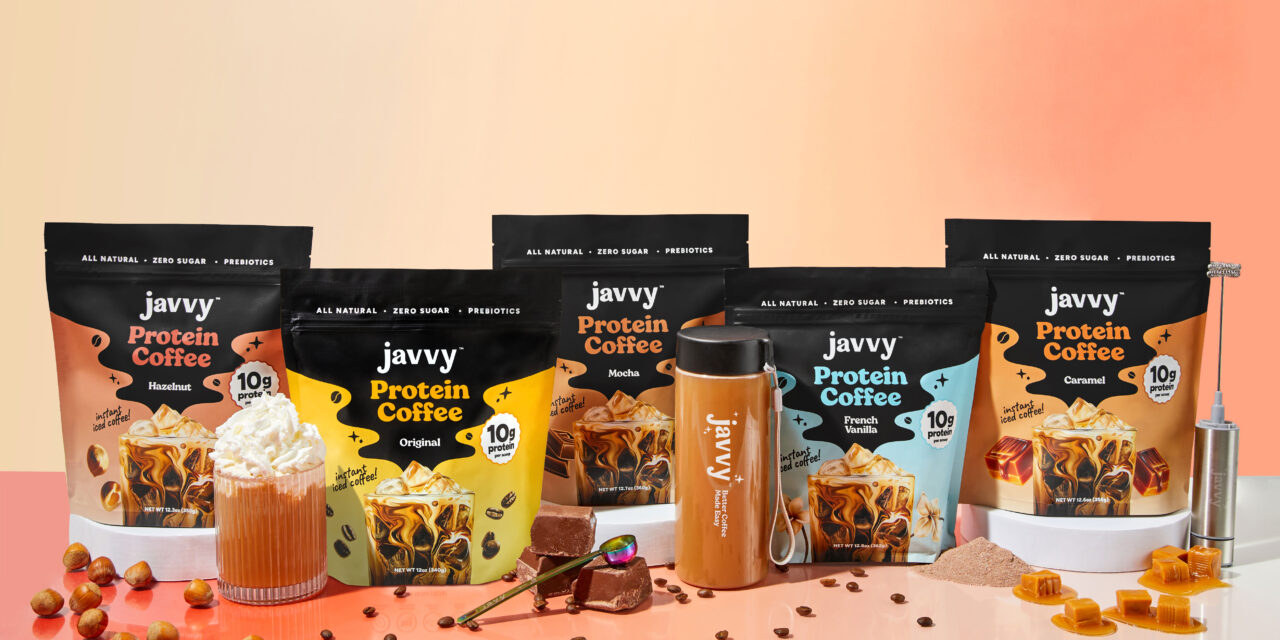
An expert in this space is Javvy Coffee, a company that built its reputation on better-for-you iced coffee options, without compromising on flavor. They focus on coffee concentrates and protein coffee, products that give people control over taste while cutting out the junk. Their experience in developing better-for-you iced coffee puts them at the centre of this cultural shift.
The Rise of Cold Brews and Lattes
Data backs it up. The National Coffee Association reports that over 70% of Gen Z coffee drinkers prefer cold coffee compared to older generations who still lean toward hot brews. Sales of cold brew and iced lattes have grown by over 300% in the past five years in the U.S. alone.
Why? Gen Z grew up with bottled cold brews, iced macchiatos, and café lattes as the norm. They didn’t inherit the idea that coffee should always be hot. Cold became the standard.
As one barista explained, “When college kids come in, 9 out of 10 order iced drinks—even in winter. Hot coffee is seen as something their parents drink.”
Convenience Is King
Iced coffee is portable and easy to prepare. Concentrates, ready-to-drink bottles, and protein-infused options fit into fast-paced lifestyles.
A student in Los Angeles described her routine: “I don’t have time to brew before class. I keep a bottle of concentrate in the fridge. I pour it over oat milk, and I’m out the door.”
Javvy Coffee highlighted this trend too. “Gen Z isn’t looking for rituals that take 15 minutes,” the company explained. “They want coffee that’s ready in seconds but still tastes how they like it.”
Clean Energy Without the Crash
Gen Z is also more health-conscious than previous generations. They read labels and pay attention to sugar content. They’re quick to call out brands that use artificial ingredients.
Mainstream iced lattes can carry 30–50 grams of sugar, more than a candy bar. That’s a deal breaker for health-minded consumers. Cold brew and concentrate options often have little to no added sugar, letting people sweeten drinks themselves.
A fitness enthusiast shared, “I used to get café iced lattes, but I hated the sugar crash. Now I make my own with concentrate and protein. I get the energy without feeling wiped an hour later.”
Javvy Coffee reinforced this point. “We noticed customers were tired of drinking iced coffee that tasted great but made them sluggish. We let them enjoy coffee without the junk.”
Personalisation Is the Secret
Another reason iced coffee thrives is flexibility. With a bottle of concentrate, consumers can adjust strength, sweetness, and flavour. Hot coffee doesn’t offer the same level of control without extra effort.
A Gen Z consumer explained, “At Starbucks, I used to order half the syrup and extra ice to get the taste right. At home, I pour concentrate and add almond milk. It’s perfect every time.”
This customisation makes iced coffee more appealing. It’s not just about caffeine—it’s about self-expression.
The Social Factor
Iced coffee also plays a role in culture. It shows up on TikTok trends, Instagram feeds, and memes. Ordering or making iced coffee has become part of identity. It signals a certain lifestyle—busy, health-conscious, and in control.
The portability of iced coffee adds to this. You can carry it in a tumbler, take photos with it, and sip it on the go. Hot coffee doesn’t fit into that visual and social moment as easily.
Lessons for Businesses
1. Focus on Cold Formats
Cold is no longer seasonal. Businesses should treat iced coffee as a year-round staple. Cold brew, nitro, and concentrates are now expected.
2. Prioritise Clean Labels
Gen Z is quick to reject products with hidden sugars or chemical additives. Brands must simplify ingredient lists and highlight transparency.
3. Offer Personalisation Tools
Flexible products win. Concentrates and bases give consumers the freedom to make their drink how they want.
4. Meet Them Where They Are
Gen Z shops online, shares on social platforms, and values convenience. Coffee brands that embrace this culture will thrive.
Actionable Tips for Consumers
Read Labels
Check sugar and calories before buying bottled or café drinks. Aim for options under 10 grams of sugar per serving.
Try Concentrates
Concentrates save money and give full control. Mix with water, milk, or protein powder for different effects.
Make It Fun
Experiment with iced recipes at home. Blend with ice for a smoothie vibe, or add spices like cinnamon or nutmeg for variety.
Balance Energy
Drink iced coffee with breakfast or a snack. This reduces the chance of a caffeine crash later in the morning.
Why the Trend Will Last
The numbers don’t lie. Cold coffee consumption is still rising. Functional and better-for-you drinks are some of the fastest-growing categories in the beverage market. Gen Z is setting the tone for the future, and brands are adapting fast.
Javvy Coffee summed it up: “This generation wants coffee that matches their lifestyle. It has to be fast, flexible, and clean. Hot coffee just doesn’t check all those boxes anymore.”
Closing Thoughts
Iced coffee is more than a trend for Gen Z. It’s a reflection of values: convenience, health, and individuality. They don’t just want caffeine. They want energy that fits into their lives without slowing them down.
For businesses, the message is clear. Cold formats, clean ingredients, and customisable options will drive the next wave of growth. For consumers, the shift means better choices that balance flavour and function.
Hot coffee may never disappear, but for the younger generation, iced is king. And with the rise of concentrates and protein coffee, that preference is only getting stronger.
About The Author