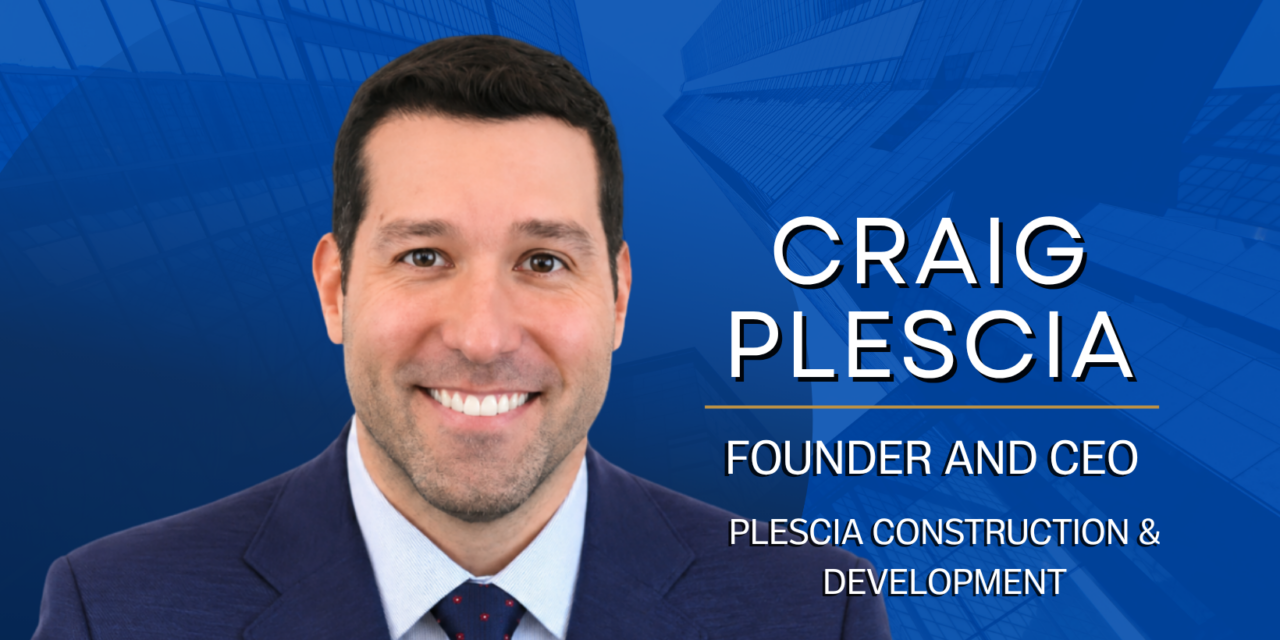
In commercial construction, cutting corners might save time today, but it usually creates bigger problems later. Craig Plescia has built his career on the opposite approach. As the Founder and CEO of Plescia Construction & Development, he believes careful planning, strong relationships, and consistent execution lead to better results than chasing quick wins.
Over more than 20 years in the industry, Craig has learned that building a successful business isn’t all that different from managing a construction project. Both require patience, preparation, and the discipline to make good decisions long before the finished product is visible. Those lessons came from experience, including the challenges of growing a company, refining its processes, and learning from mistakes along the way.
Away from work, Craig enjoys mountaineering, rock climbing, piloting, skydiving, and rugby. He also coaches youth rugby, where he enjoys helping young athletes develop confidence, resilience, and teamwork. Whether he’s leading a project or mentoring others, his focus remains the same: prepare well, stay accountable, and keep improving.
Commercial construction is an industry where every decision has consequences. How has that shaped the way you lead?
Working in construction teaches you that small decisions can have a big impact. If you rush the planning process or overlook details early on, those problems usually become much bigger later. That’s influenced the way I lead. I try to slow down when important decisions need to be made, ask the right questions, and make sure we have a solid plan before moving forward. It saves time, builds trust, and usually leads to better results.
Looking back, what helped your business gain real momentum?
The biggest change came when I stopped trying to do everything myself. We invested in marketing, became more active in the industry, brought in dedicated business development support, and built better systems across the company. That gave us a steadier flow of opportunities and allowed the team to spend more time focused on delivering quality projects.
What’s one lesson from construction that applies to almost any career?
Preparation solves problems before they ever happen. Whether you’re managing a construction project or running a business, the time you spend planning usually determines the outcome. People often focus on what happens during execution, but the work behind the scenes is just as important.
You’ve built a company in an industry where reputation matters. How do you earn people’s trust?
Trust is built by doing what you say you’re going to do. Clients remember whether you communicate honestly, solve problems, and follow through on your commitments. You don’t build a reputation through one successful project. You build it by being consistent over a long period of time.
One project early in your career taught you an important lesson. How did it change your approach?
We took on a project that wasn’t properly scoped or priced, and it hurt our margins. It was a valuable lesson because it showed us that not every opportunity is the right opportunity. Since then, we’ve been much more disciplined about qualifying projects, setting expectations early, and making sure everyone is aligned before work begins.
You enjoy mountaineering, flying, and skydiving. Have those experiences influenced the way you make decisions?
More than anything, they’ve reinforced the value of preparation. Before you climb, fly, or skydive, you spend far more time planning than you do actually taking action. Business is no different. When you’ve done the work upfront, you’re able to make better decisions, adapt more quickly, and stay calm when unexpected challenges arise.
How has coaching youth rugby influenced your leadership style?
Coaching has reminded me that people develop through consistency, not perfection. Everyone learns at a different pace, and the goal is to help people improve a little every day. I try to bring that same mindset into business by creating an environment where people can take ownership, learn from experience, and continue growing.
When setbacks happen, how do you avoid losing momentum?
I focus on the things I can control and break bigger challenges into smaller actions. Waiting to feel motivated isn’t a strategy. Having routines and clear priorities helps you keep moving forward, even when things don’t go according to plan. Small wins build momentum, and momentum makes the next challenge easier to tackle.
What advice would you give someone who wants to build something that lasts?
Don’t chase quick wins at the expense of long-term success. Build good habits, measure your progress honestly, and keep raising your standards as you gain experience. Businesses are built one decision at a time, and those decisions add up over the years.
After more than two decades in the industry, what still motivates you?
There’s always another challenge to solve and another opportunity to improve. Every project is different, and every client brings a unique set of goals. I enjoy finding better ways to serve clients, strengthen the business, and continue learning. That’s what keeps the work interesting after all these years.
About The Author