Leading Through Change With Clarity and Empathy
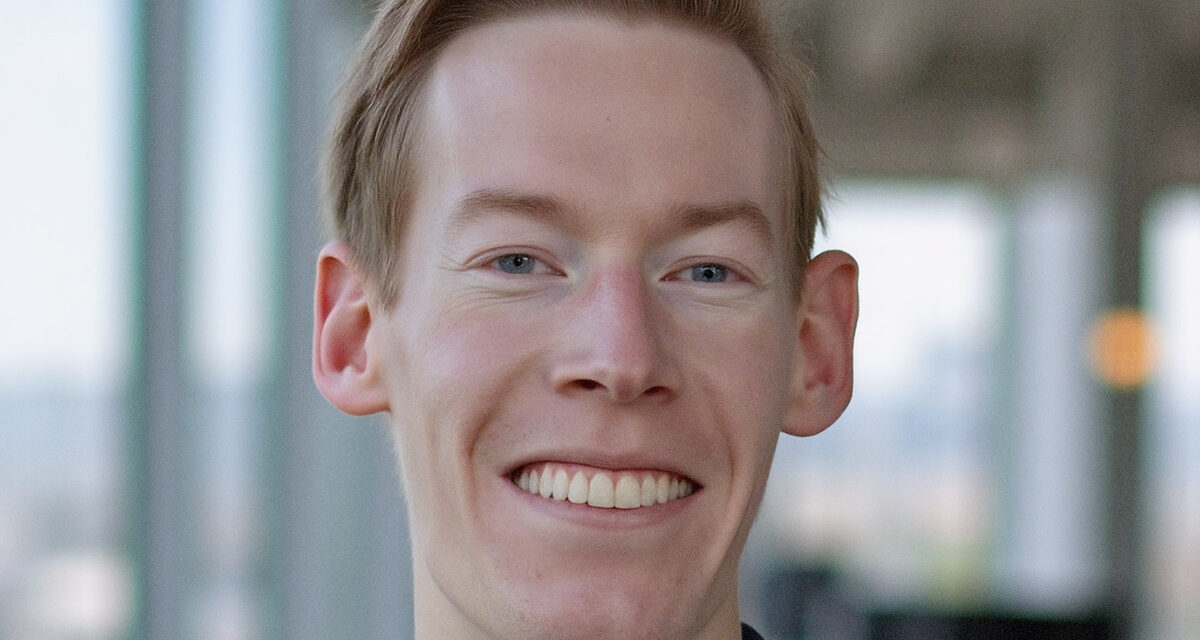
When companies face change—whether it’s a merger, market shift, or cultural reset—many turn to Drew Soule. With over 15 years of experience in human resources and organizational design, Drew has earned a reputation for building strong, agile teams that thrive during transformation.
“Change doesn’t have to mean chaos,” he says. “When you lead with intention, structure, and empathy, you can turn uncertainty into opportunity.”
As a Lead HR Business Partner and Organizational Design Consultant, Drew works with executives to connect strategy with people. His projects have spanned IPO readiness, labor relations, and M&A integration—each demanding a balance of analytics, empathy, and foresight.
Early Lessons: Building From the Ground Up
Drew’s career began before graduation, working in recruiting and training at the Department of Human Services. The experience shaped his understanding of people-first leadership. “That job taught me how every policy, every structure, affects someone’s daily life,” he recalls. “It made me think differently about accountability.”
After earning his degrees from the University of Illinois—including a master’s in Human Resources and Industrial Relations—Drew joined Northrop Grumman. There, he supported engineering and manufacturing teams on high-stakes projects, some in collaboration with NASA.
“In aerospace, precision isn’t optional,” he says. “I learned that even the smallest decision can have a massive ripple effect. It’s the same in business—alignment is everything.”
Those early years gave Drew more than technical skill—they shaped his ability to navigate complex organizations where performance, safety, and trust are inseparable.
Scaling Culture in the Tech Era
When Drew transitioned to a major Big Tech company, he found himself at the center of rapid innovation. The environment was fast-paced and full of brilliant minds, but he noticed that culture could make or break success.
“People talk about scaling technology,” he says. “But scaling culture is harder—and just as important.”
In this role, Drew partnered with engineering, product, and design teams to create structures that supported collaboration and growth. He helped leaders rethink how they approached performance management and team development. The goal wasn’t just efficiency—it was sustainability.
“I wanted to prove that you can build systems that drive results without burning people out,” Drew explains. “Healthy organizations outperform reactive ones every time.”
A Strategic Voice in Complex Transformations
Today, Drew advises companies across industries—from healthcare to fintech—on how to manage growth responsibly. His work often begins when businesses are at a crossroads: preparing for an IPO, merging cultures after an acquisition, or redesigning internal structures to support expansion.
“Organizations tend to underestimate the human side of transformation,” he says. “Data gives direction, but people give momentum. You need both.”
Drew uses data to reveal patterns—like turnover trends or engagement dips—but he also prioritizes conversations that uncover what numbers can’t. “People will tell you what’s working if you listen,” he says. “The real challenge is building systems that respond to that feedback.”
His leadership philosophy centers on clarity and trust. By empowering managers with better tools and insight, he helps create ripple effects that improve morale, retention, and performance.
Leadership Shaped by Life Experience
Drew’s perspective on leadership is also shaped by personal experience. Living with Spinal Muscular Atrophy, he understands resilience and adaptation on a level most business leaders only talk about.
“My disability has given me a different lens on problem-solving,” he says. “I’ve learned to navigate systems that weren’t built for me—and that’s made me better at redesigning systems for others.”
From an early age, Drew served as a youth ambassador for the Muscular Dystrophy Association, speaking publicly about inclusion and accessibility. Those experiences continue to influence his work today. “Accessibility isn’t just physical,” he adds. “It’s about creating workplaces where every person can contribute their best.”
Colleagues say Drew’s strength lies in combining empathy with strategy. He doesn’t separate business goals from human needs—he sees them as parts of the same equation.
Lessons in Growth and Resilience
Over the years, Drew has seen industries evolve and business models shift, but one truth remains constant: people drive progress.
“The companies that win long-term are the ones that take care of their people,” he says. “You can’t buy engagement—you build it through trust and purpose.”
Outside of work, Drew finds balance in family, travel, and live music. He credits his twin brother and sister for grounding him through challenges. “They’ve taught me the value of perspective,” he says. “Success doesn’t mean never facing obstacles—it means moving forward anyway.”
The Future of Leadership
Looking ahead, Drew believes the future of HR is about more than compliance or culture—it’s about strategic impact. “HR has earned a seat at the table,” he says. “Now it’s about using that seat to drive transformation responsibly.”
He envisions organizations where leaders think beyond quarterly results, focusing on sustainable structures and inclusive growth. “If you design your systems right,” Drew notes, “you don’t just get performance—you get purpose.”
For Drew Soule, leadership isn’t about titles or hierarchy. It’s about alignment, accountability, and human connection. His career proves that thoughtful strategy and empathy aren’t opposites—they’re the foundation of lasting success.
About The Author