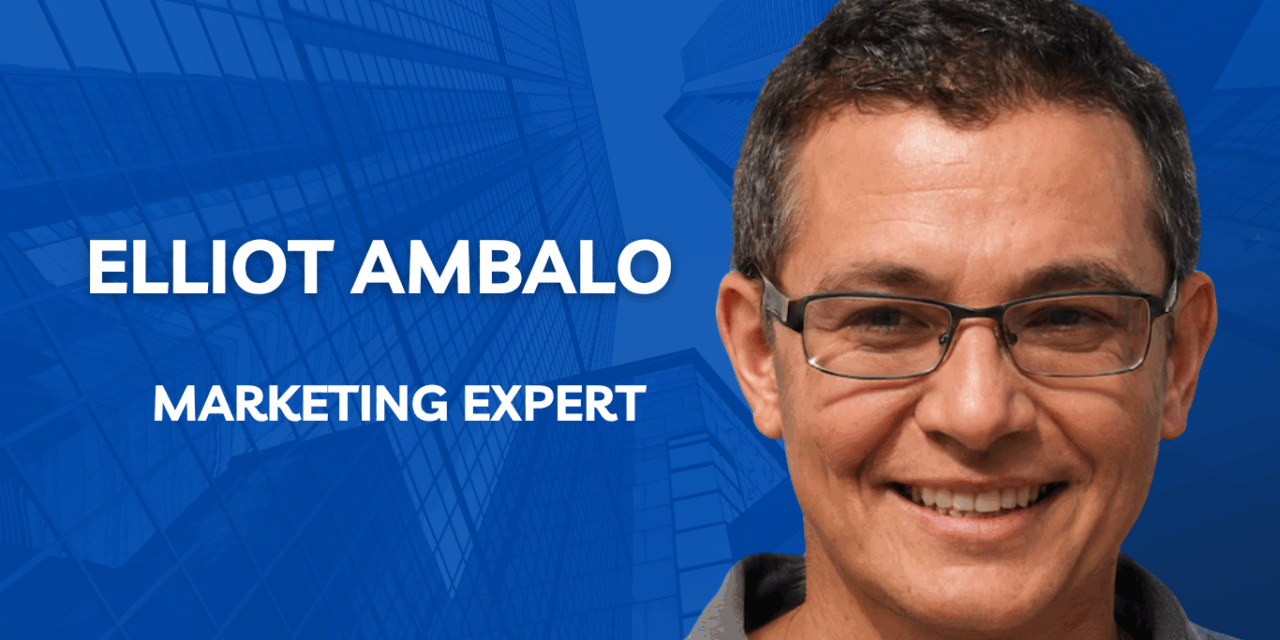
Elliot Ambalo is a seasoned marketing expert based in New York, with over 10 years of experience driving growth for businesses across diverse industries, including technology, retail, and finance. He specializes in digital marketing, brand development, and customer acquisition, working with both startups and established enterprises to deliver innovative, data-driven marketing strategies.
His strong foundation, combined with years of hands-on experience, allows him to apply advanced marketing principles to real-world challenges. As a lifelong learner, Elliot is deeply committed to staying ahead of emerging market trends and digital platforms.
He is particularly skilled in SEO, content marketing, and social media strategies, which allow him to enhance brand visibility, engage audiences, and generate leads effectively. By leveraging marketing analytics, Elliot fine-tunes campaigns to achieve measurable ROI and continuously adapt to shifting consumer behaviors.
Elliot’s approach to marketing is highly collaborative, working closely with clients to fully understand their unique challenges and goals. His focus on personalized, results-driven strategies ensures that each campaign is tailored to meet specific needs, enabling businesses to thrive in competitive markets. Over the years, he has successfully managed numerous high-profile campaigns, consistently exceeding expectations.
In addition to his expertise, Elliot is a passionate advocate for sustainable marketing practices and values long-term client relationships. Whether developing comprehensive digital strategies or optimizing a brand’s online presence, Elliot Ambalo is a trusted advisor for businesses looking to elevate their marketing efforts and achieve sustainable, long-term growth.
Elliot, you’ve worked across several industries—technology, retail, and finance. What draws you to such diverse sectors?
I find it incredibly energizing to work across different industries because each brings its own set of challenges and opportunities. It pushes me to constantly adapt and expand my skill set. The core marketing principles remain the same, but the way you apply them varies greatly. In tech, it’s about innovation and speed. In retail, it’s customer loyalty and experience. In finance, trust and credibility are key. I love finding unique angles in each space and crafting tailored strategies that speak directly to a specific audience’s needs and pain points.
Digital marketing evolves fast. How do you stay ahead of trends and new platforms?
I dedicate time every week to staying current—reading industry blogs, following thought leaders, and participating in webinars or conferences. Platforms like LinkedIn, Twitter, and specialized newsletters help me keep tabs on emerging tools and tactics. But more than that, I believe in experimentation. I test new platforms and strategies on smaller scales before recommending them to clients. This proactive approach ensures that I don’t just know what’s trending—I understand how it performs in the real world. Lifelong learning is at the core of what I do.
SEO is a major part of your expertise. How do you approach it in today’s algorithm-driven landscape?
SEO has evolved from keyword stuffing to a sophisticated, user-first discipline. My approach begins with understanding the audience—what they search for, how they search, and what content satisfies their intent. From there, I focus on technical optimization, content relevance, and backlink strategies. I also keep a close eye on Google’s algorithm updates and adjust accordingly. Ultimately, my goal is to align content with user needs and search engine criteria without compromising authenticity. Good SEO is about delivering real value in a structured, strategic way.
You emphasize collaboration in your work. Why is that so important to your process?
Marketing doesn’t happen in a vacuum. A collaborative approach ensures that strategies are aligned with the client’s brand values, business goals, and customer insights. I see my role as a partner, not just a service provider. I take time to understand internal workflows, team dynamics, and long-term objectives. This helps me craft more effective, integrated campaigns. Plus, collaboration fosters trust. When clients feel heard and understood, they’re more invested in the process, and the results are exponentially better. Great marketing is always a team effort.
What’s been one of your most successful campaigns, and what made it stand out?
One standout campaign was for a fintech startup looking to break into a saturated market. We built a full-funnel strategy combining SEO, paid media, and influencer outreach. What made it successful was how tightly we aligned messaging across all channels. We also leveraged analytics in real time to fine-tune performance. Within six months, we tripled their lead generation and cut customer acquisition cost by 40%. It was a perfect example of data-driven decision-making paired with creative execution. The client’s openness to experimentation made all the difference.
What role does content marketing play in building brand authority today?
Content marketing is foundational to establishing trust and thought leadership. Today’s consumers are skeptical—they do their research and want real value before they buy. That’s where content comes in. Whether it’s blog posts, videos, whitepapers, or social posts, good content educates and engages. I always prioritize quality over quantity and ensure content speaks directly to the target audience’s needs. When done well, it builds long-term relationships and drives organic traffic, which is far more sustainable than relying solely on paid advertising.
How do you measure the success of a digital campaign beyond just clicks or likes?
While vanity metrics like clicks and likes are useful, I focus on KPIs tied to actual business goals—conversion rates, customer lifetime value, ROI, and engagement depth. I use tools like Google Analytics, HubSpot, and custom dashboards to track user behavior across the funnel. It’s also important to look at qualitative data: Are we improving brand sentiment? Are customers returning? Are we fostering loyalty? Success is about real-world outcomes. A campaign that looks good on paper but doesn’t move the business forward isn’t truly successful.
What’s one common mistake businesses make when it comes to digital marketing?
A common mistake is trying to do everything at once without a clear strategy. Businesses often jump on the latest trend or platform without understanding if it aligns with their audience or goals. This leads to fragmented efforts and wasted budgets. I always advise clients to start with a strong foundation: know your audience, define your goals, and choose tactics that serve those goals. Marketing should be intentional, not reactive. The most successful campaigns come from clarity, consistency, and a willingness to iterate based on results.
How do you integrate sustainability into your marketing philosophy?
Sustainability in marketing is about long-term value—not just for businesses, but for customers and communities. I encourage clients to move away from gimmicks and focus on authenticity, transparency, and responsible practices. That means building evergreen content, creating products that actually solve problems, and avoiding manipulative tactics. It also means respecting consumer privacy and fostering genuine engagement. Sustainable marketing builds trust, reduces churn, and creates lasting impact. I see it not just as a strategy, but as an ethical responsibility in a fast-paced, noisy digital world.
Lastly, what advice would you give to young marketers just starting out in this field?
My biggest advice is to stay curious and keep learning. The tools will change, but strong fundamentals—understanding human behavior, storytelling, and data interpretation—will always matter. Don’t be afraid to try new things, fail, and learn from your mistakes. Find mentors, ask questions, and get hands-on experience wherever you can. Also, develop empathy. Marketing is about connecting with people, not just selling. If you approach every challenge with curiosity, integrity, and a desire to create value, you’ll not only succeed—you’ll stand out.
About The Author