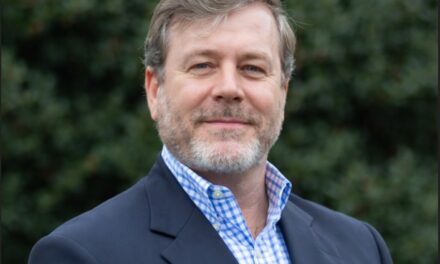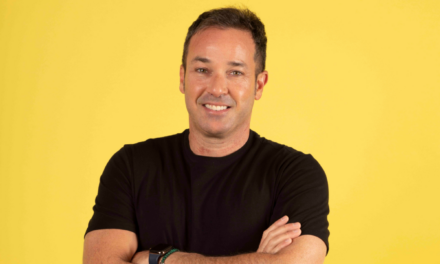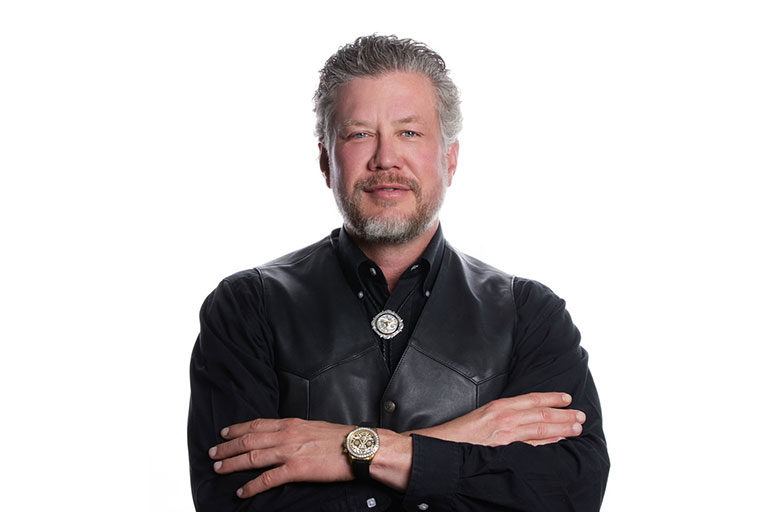
Elliot Omanson learned early that pressure changes people. Sometimes it sharpens them. Sometimes it exposes what matters most. Before leading a financial advisory firm, he served multiple tours in the Middle East with the U.S. Army. Those experiences shaped the way he approaches leadership, communication, and responsibility today.
After returning home, Elliot entered the financial services industry with a different perspective than most. He wasn’t interested in flashy promises or fast wins. He wanted to help people make clearer decisions during uncertain moments. He earned his Series 7 and Series 66 licenses, joined Sage Financial Inc., and spent years learning how financial planning affects real lives and families.
Eventually, Elliot acquired the firm and rebuilt it into OWLFI Strategic Advisors. Under his leadership, the company expanded into tax, insurance, and legal coordination, creating a more connected approach for clients trying to navigate increasingly complex decisions.
People who work with Elliot often mention the same thing: he makes difficult ideas feel understandable. He believes clarity matters more than complexity and that trust is built through consistency, not salesmanship.
Outside the office, Elliot shares insights through podcasts, market updates, and conversations with business owners. His style is calm, direct, and practical. He believes long-term thinking still matters in a world that constantly pushes people toward short-term reactions.
His philosophy is simple: protect what matters, think clearly, and build something that lasts.
Q: What first shaped the way you think about leadership and success?
A lot of it came from the military. When you’re in high-pressure situations, you learn quickly that panic spreads fast. Clarity matters. Communication matters. I carried that into business. People assume confidence comes from knowing everything. Most of the time it comes from staying steady when things are uncertain.
Q: What inspires you today?
Watching people simplify their lives. Seriously. Some of the biggest breakthroughs I’ve seen weren’t dramatic. It was someone finally organizing a business properly or making a decision they’d avoided for years. Those moments change momentum.
I’m also inspired by people who stay consistent. Not flashy people. Consistent people.
Q: How do you help people feel more confident in their decisions?
I try to reduce noise. Most people already have too much information. They don’t need ten more opinions. They need clarity.
I worked with a business owner once who had spreadsheets everywhere, multiple advisors, and constant anxiety about making the wrong move. We spent an afternoon mapping everything on a whiteboard. By the end, he said, “This is the first time this has actually made sense.”
That stuck with me.
Q: Was there a point where you had to take a major risk yourself?
Buying Sage Financial and rebuilding it into OWLFI was a big one. There’s always pressure when you take ownership of something that already exists. You inherit systems, expectations, and history.
At one point, I expanded too fast. Added services before the structure underneath was ready. That taught me a lot about growth. People think scaling is about speed. Most of the time it’s about timing and systems.
Q: What keeps people from acting on good ideas?
Fear mixed with overload.
A lot of people wait for perfect certainty before making a move. That moment usually never comes. Sometimes you need enough clarity to move forward, not total certainty.
I’ve noticed that people who make progress tend to simplify more quickly.
Q: Do you think confidence can be built?
Absolutely. I actually think confidence follows competence more than motivation. When people understand something clearly, they stop hesitating as much.
That’s true in business, too. Most fear comes from confusion.
Q: What inspires confidence in a team?
Consistency. Clear expectations. Calm leadership.
I don’t think people need constant hype. They need stability. They need to know the mission and understand how decisions get made.
In the Army, confusion quickly created problems. That lesson carried over into business.
Q: What’s one habit that has helped you most?
Writing things down by hand.
Every morning, I write priorities out on paper. It slows my thinking down enough to organize it. If something still looks important after writing it down, then it probably matters.
Q: How do you personally handle pressure now?
I walk.
No phone. No podcast. Just space to think.
That habit started years ago overseas. Movement clears mental clutter better than almost anything else I’ve found.
Q: What do you hope people take away from your work?
That complicated doesn’t always mean smart.
People are capable of more than they think, but they need structure. Once people understand how decisions connect, they stop reacting and start moving intentionally.
That shift changes everything.
About The Author