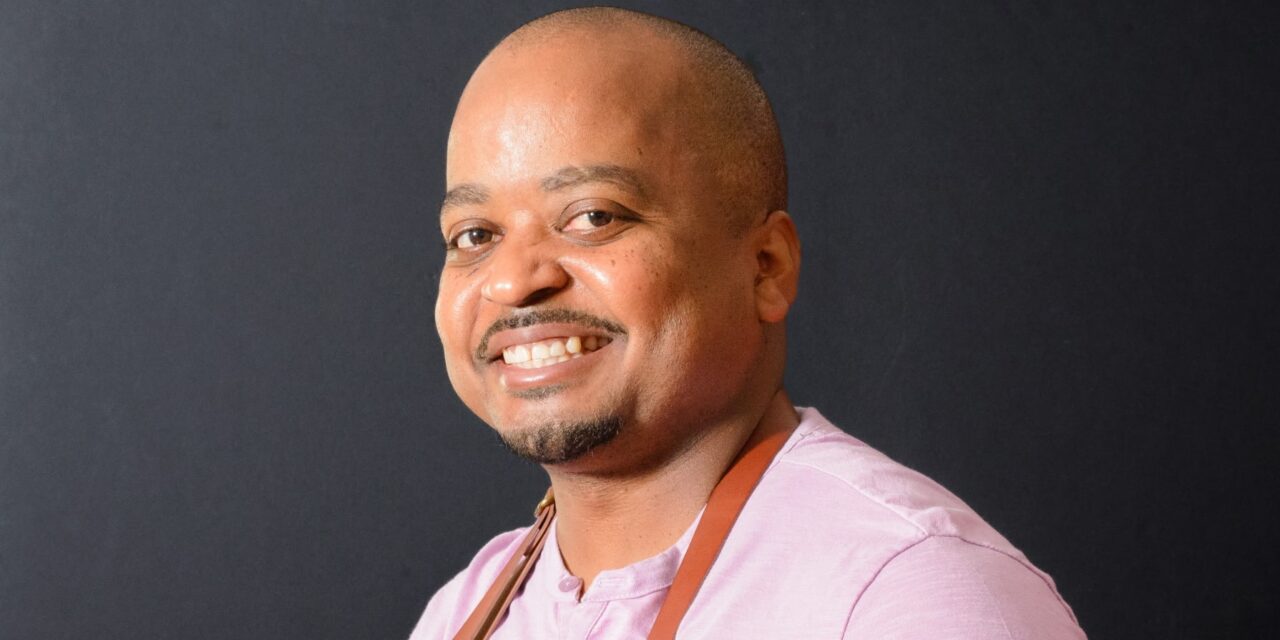
Having cooked for some of the most notable names in the industry–Ashton Kutcher, Diddy, Ben Affleck, Will Smith, Common, Tyrese Gibson, Robert Smith, and many others, it’s no wonder why Chef Ryan Rondeno is taking the shaking up the restaurant industry with his line of cookbooks, spices and rubs, and bringing elegant dishes, bold flavor, and simple technique to the home front. He’s making his lavish recipes available to people across the U.S. as he offers some trade secrets, training through simple technique, tips and tricks, and revealing signature recipes for all ages. With a passion for French, Italian and Regional American Cuisine, his focus remains on local, sustainable cuisine with a strong emphasis on bold flavors—not to mention the love of New Orleans cuisine and fresh California flavors.
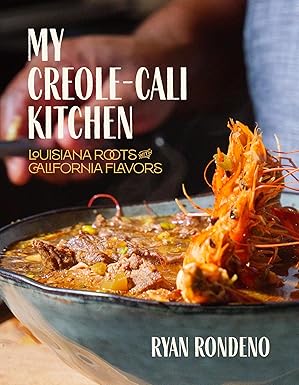
Chef Rondeno honed his skills at the Chef John Folse Culinary Institute and several renowned Southern restaurants, including the legendary Commander’s Palace in New Orleans. He relocated to California after Hurricane Katrina, where he now works as an in-demand personal chef and has cooked for many of Hollywood’s elite. His new cookbook My Creole-Cali Kitchen is available now on Amazon.
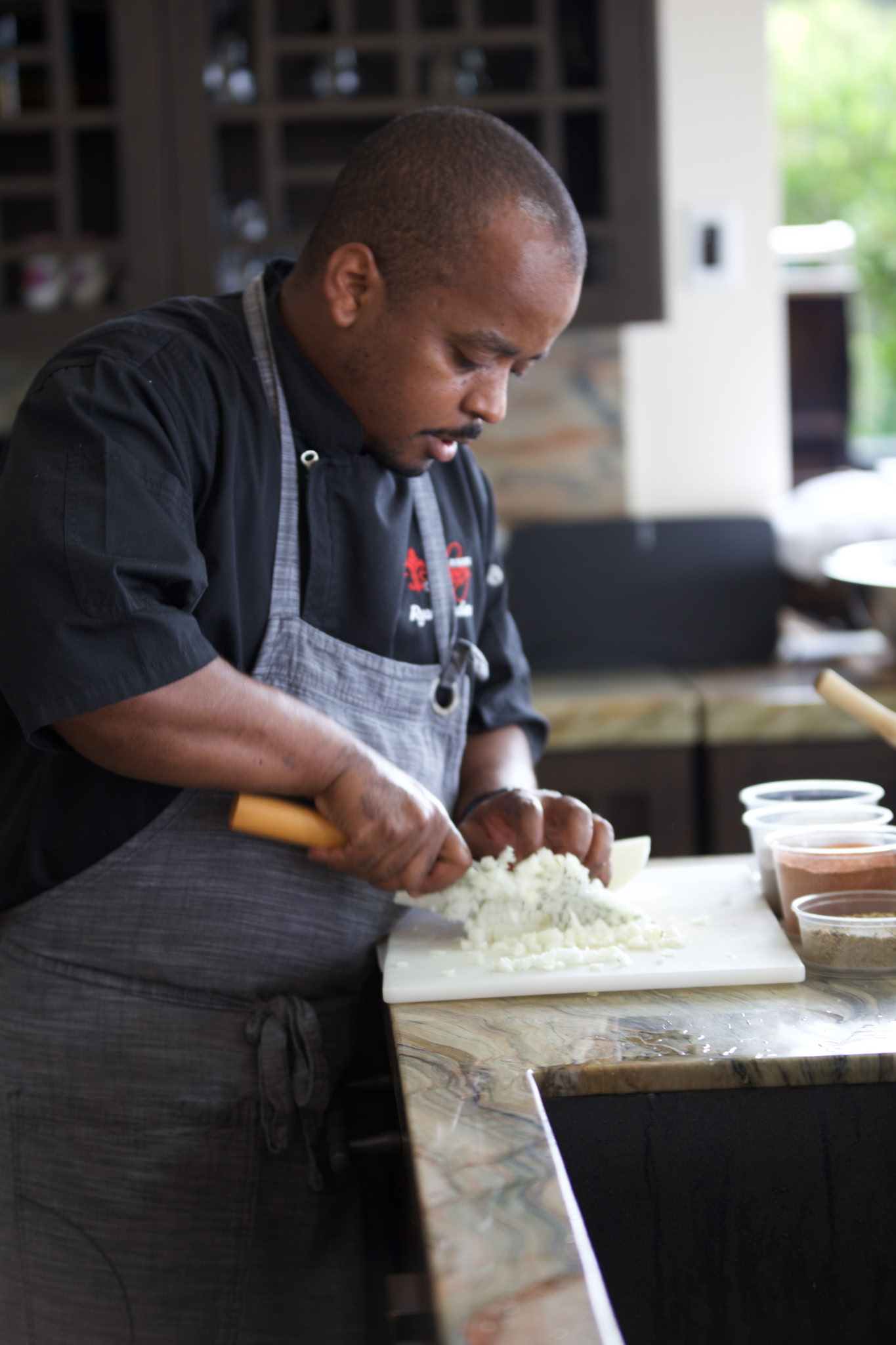
You’ve cooked for some of the world’s most recognizable names — from Will Smith to Ashton Kutcher to Ben Affleck, and more. How did you first break into the world of private celebrity dining, and what did you learn from those early experiences?
The private chef world was introduced to me through a mutual friend and colleague. I was given the opportunity to cook for Will Smith at the time. As I was transitioning from the restaurant industry, I used it as a gateway to make my mark in the private sector. Like any transition, there were lessons and adaptations to be learned. The skill of moving to the client’s beat can change at a moment’s notice, so I always prepared myself to be ready for anything. The cuisine also becomes broader. Even though Cajun Creole cuisine is number one in my book, learning various cuisines opened me up to so much more and allowed me to blend them with my strengths as a chef. I’ve been able to take those lessons and create unique dinners and experiences for my guests.
When preparing meals for high-profile talent, what goes into balancing artistry with discretion, logistics, and dietary precision?
These are core elements of bringing a dish to life and delivering a great experience for guests. When exercising discretion, I have to tailor each meal to the client’s dietary restrictions. Nowadays, many food allergies affect menu planning, requiring adjustments while maintaining balance and flavor. Every meal also demands organization and control. Most kitchens are open, which means precision and perfection are essential — and you can’t let them see you sweat. Knowing your client is key: some prefer simplicity, while others expect a Michelin-star experience. Through these attributes, artistry shines, and guests leave savoring a memorable, rewarding experience. It’s a delicate balance — but one that can absolutely be mastered.
Every chef has a culinary philosophy. How would you describe yours — and how has it evolved through your Creole roots and your experiences in Los Angeles?
My philosophy is to cook from the heart — and don’t apologize for it. Those actions have allowed determination and passion to remain in every dish. Cooking across different regions of the country has given me the opportunity to showcase my Southern roots and tell my story through food, creating a connection between each diner and their experience. To achieve that, every dish must be made with love, attention to detail, and respect for the ingredients. Living and working in Los Angeles has added a new dimension — the freshness and quality of local ingredients have deeply inspired my creativity in the kitchen.
Your cookbook, My Creole-Cali Kitchen, has earned national attention. For readers who haven’t yet explored it, what inspired the fusion behind the book, and what story were you hoping to tell through food?
The inspiration behind My Creole-Cali Kitchen was to share my style of cooking with readers. The flavors, the cultures, and the love for food are the reasons we live and celebrate every day. The message is to stay curious about flavors and cooking philosophies. We all have our own ideas of how ingredients can come together — my goal is to encourage people to challenge themselves and allow those ingredients to meet harmoniously on the plate. Cook, create, and innovate is the spirit behind every dish, and I want readers to feel the same love, care, and passion that I pour into my cooking.
In your view, what makes the Creole-Cali fusion uniquely “American” in its flavor and identity? And why do you feel it’s resonating with diners and media right now?
Creole-Cali fusion embodies America’s regional diversity and love of flavor — not only through the many ethnicities represented, but through how their culinary traditions intertwine to form the ultimate melting pot. It resonates today because people’s palates have evolved, and we’ve become more open to exploring different cuisines. Take the flavors of Mexico and Louisiana, for example — two bold, vibrant food cultures whose union can produce extraordinary, unexpected results. Together, they create something that truly redefines what fusion can be.
You’ve built a significant footprint as both a private chef and a public culinary figure. What are the biggest differences between the two worlds, and what do you love about each?
Each world moves to its own rhythm. In the public sphere, I can reach people across the globe and introduce them to flavors they may never have encountered. I’ve cooked at many food festivals where guests can experience the essence of my cuisine — opportunities they might not have otherwise unless I host a pop-up dinner. It’s incredibly fulfilling to share my food with so many smiling faces. The private sector, on the other hand, is far more intimate and exclusive. It gives me a chance to refine my cuisine and experiment with new ideas in a personal setting. Often, clients request specific dishes, and I take equal joy in honoring their favorites as I do in introducing something entirely new.
As someone who has cooked for A-list actors, executives, athletes, and entertainment industry insiders — what dish or moment stands out as a true career highlight?
That’s a great question. I wouldn’t say it’s about a single dish, but rather the elevation of flavor that carries through each experience. One true career highlight was hosting an incredible pop-up dinner to introduce My Creole-Cali Kitchen. It was a major milestone — a dream realized. The cookbook features dishes like my Lobster Cappuccino, which received rave reviews and represents the creative evolution that has shaped my career.
What do people get wrong about Creole cuisine, and how do you approach modernizing traditional Southern flavors without losing their soul?
One major misconception about Creole cuisine is that it’s all spicy and fried. My approach focuses on freshness — introducing new techniques and ingredients while preserving the essence of the original flavors. As food continuously evolves, creativity and adaptation are essential. I love sourcing ingredients beyond the Southern region and showcasing each one in its purest form.
Looking ahead to 2026 — what projects, collaborations, or new directions are you most excited about?
In 2026, I’ll continue promoting My Creole-Cali Kitchen to readers and chefs around the world. I’m in the process of beginning my second cookbook — something that will truly tantalize your kitchens! I’m also revamping my app, FoodCulture, and seeking partnerships with major brands to create unique products and expand the brand’s presence. Stay tuned!
Finally, what advice would you offer to young chefs who are aiming to break into the high-end private culinary world?
My advice to young chefs is simple: keep chasing your dreams. Be open to new ideas and explore different culinary techniques. The ultimate goal is perseverance — never lose the passion that fuels your creativity.
About The Author