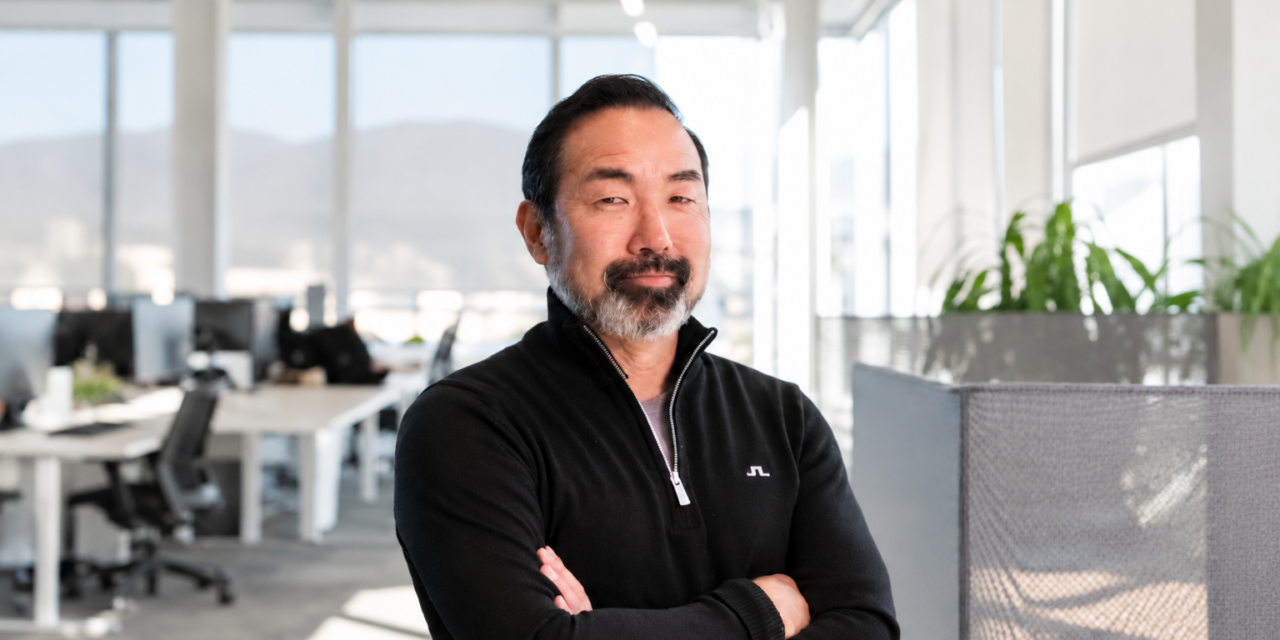
Gene Kwon has built his career around discipline, problem-solving, and a willingness to keep adapting
He grew up in Oregon and Utah and became a ranked junior tennis player at a young age. Competition taught him how to stay focused, recover from mistakes, and keep improving. Those lessons followed him to the University of Washington in Seattle, where he joined the men’s tennis team and became a member of Sigma Chi Fraternity.
Over time, Kwon carried that same mindset into business. He became a Partner and Co-Founder of Move Method and later co-founded eHub, working on solutions tied to logistics, shipping, and business operations. He was also involved with RealVu Technologies.
His career has often centered on finding practical answers to difficult problems. He believes strong companies are built by listening, staying curious, and surrounding yourself with people who bring different strengths to the table.
Kwon’s work has earned recognition, including an Ernst & Young Entrepreneur of the Year Award and a Forty Under Forty Business Award. Still, he often points back to teamwork rather than individual success.
He also serves as a member and board member of the Package Shippers Association, where he contributes his experience to the broader industry.
Outside of work, Kwon continues to enjoy tennis, skiing, and golf. Each gives him a way to stay competitive while also stepping away from business.
Across every stage of his career, Kwon has stayed focused on learning, taking smart risks, and helping good ideas become something real.
What first taught you how to believe in your own ability?
Tennis had a lot to do with it. I grew up playing competitively and became a ranked junior player, so I spent a lot of time in situations where you had to make decisions on your own. You couldn’t look to a coach after every point. You had to figure out what wasn’t working and make an adjustment.
That builds confidence differently. You learn that confidence doesn’t mean thinking you’ll always win. It means trusting yourself enough to respond when something goes wrong.
Did that mindset carry into business?
Absolutely. Entrepreneurship has plenty of moments where the original plan stops working. You can either become frustrated by that or treat it as information.
Tennis taught me not to overreact to one bad point. Business is similar. One difficult quarter, one bad decision, or one idea that doesn’t work doesn’t necessarily tell you the whole story. You look at what happened, adjust, and keep going.
What usually gives you confidence in a new business idea?
I’m much more interested in a real problem than an exciting pitch.
If someone can clearly explain who has the problem, why it matters, and why the current solution isn’t good enough, then I start paying attention. That was important in logistics. Shipping can look straightforward from the outside, but businesses deal with costs, systems, carriers, technology, and operational problems every day.
With eHub, the opportunity was tied to making those processes easier. That kind of problem is interesting because you can actually see the value of solving it.
How do you inspire confidence in an idea when other people are unsure?
I don’t think confidence comes from trying to sound certain about everything.
People usually respond better when you’re willing to say what you know, what you don’t know, and what you still need to test. If you’re building a company, the team can tell when you’re pretending.
I’d rather break an idea into smaller questions. Can we solve this part? Will customers care about this? Can we test it without spending six months building something? Once people start seeing evidence, confidence grows naturally.
Have you always been comfortable taking risks?
No. I think there’s a difference between being comfortable with risk and becoming better at evaluating it.
Early in your career, risk can feel very emotional. Later, you start asking better questions. What happens if this doesn’t work? What can we learn quickly? What assumptions are we making? Who has experience that we don’t have?
Taking risks doesn’t mean ignoring downside. It means understanding it well enough to decide whether the opportunity is worth pursuing.
What have you learned from building companies with other people?
The quality of the partnership matters just as much as the quality of the idea.
When you’re building something, you spend a lot of time solving problems together. People are going to disagree. Priorities change. Pressure exposes different personalities.
My time on teams, including tennis at the University of Washington and my experience in Sigma Chi, helped me understand how important trust is. You don’t need everyone to think the same way. You need people who can disagree without losing sight of the larger goal.
Has recognition like the Ernst & Young Entrepreneur of the Year Award changed how you think about success?
Awards are meaningful because they recognize a lot of work, but they don’t change what you have to do the next morning.
Something like that is really a reflection of a team, customers, partners, and people who helped build the business. No entrepreneur does everything alone.
Being recognized earlier in my career with a Forty Under Forty award was encouraging too, but it also reminded me that there was still a lot left to learn.
What inspires you now?
I’m inspired by people who stay curious even after they’ve had success.
It’s easy to become attached to the way you’ve always done things. Technology changes that very quickly. Logistics has changed. The way businesses operate has changed. Customer expectations have changed.
I like being around people who can say, “This worked before, but maybe there’s a better way now.”
How do you try to pass that mindset on to others?
I try to ask questions instead of immediately giving answers.
If someone comes to me with an idea, I’d rather help them think through it than tell them what I would do. Where does the idea break? What are they assuming? What part are they most confident about? What part makes them uncomfortable?
Sometimes people already know more than they think they do. They just need someone to help them organize the problem.
What advice would you give someone who has a good idea but is afraid to act on it?
Make the first risk smaller.
You don’t always have to quit your job, raise money, or build the entire company. Talk to customers. Test one part of the idea. Find out whether the problem is as real as you think it is.
Movement creates information. Information creates confidence.
That’s something sports taught me early. You can prepare, but eventually you have to step onto the court and play.
About The Author