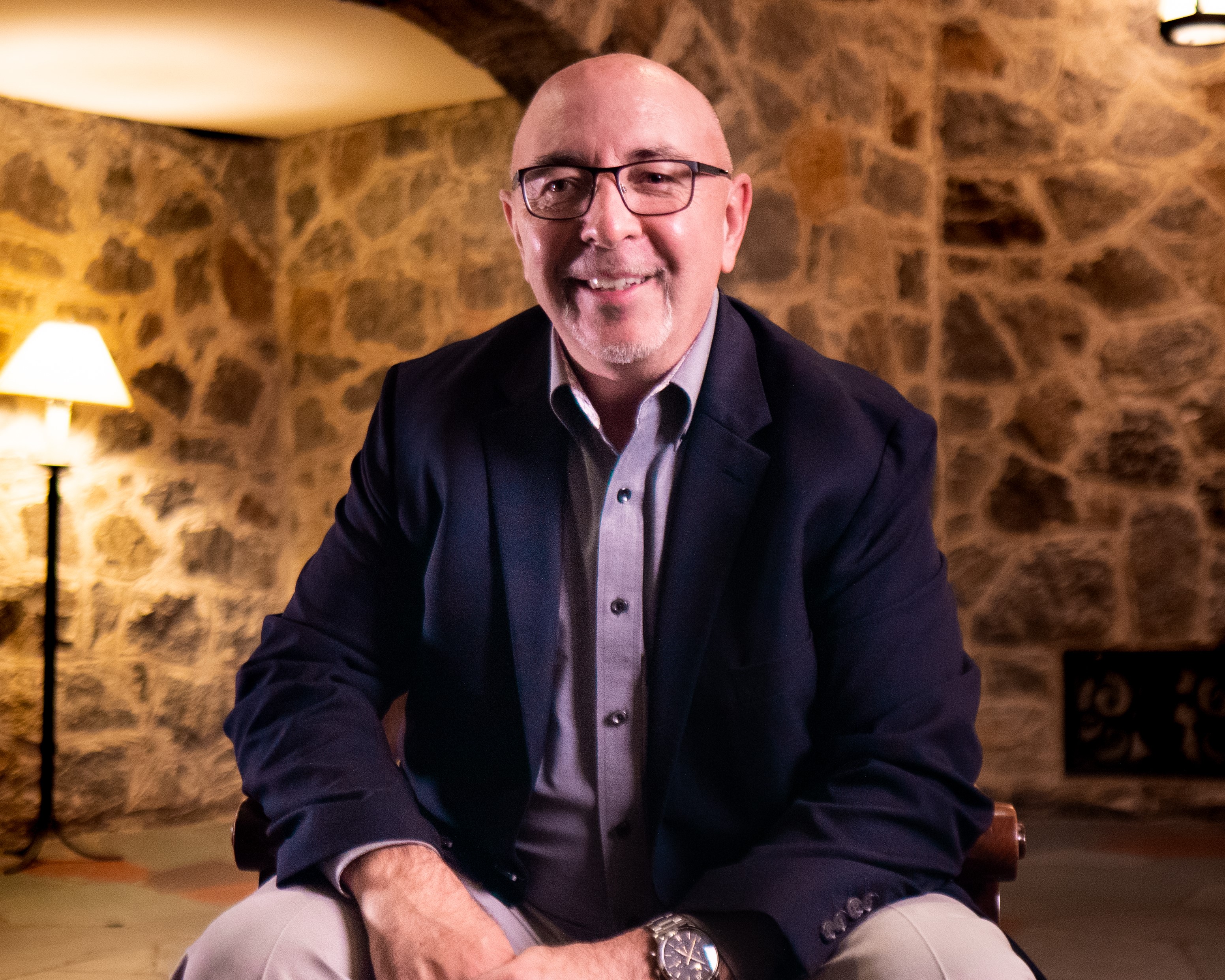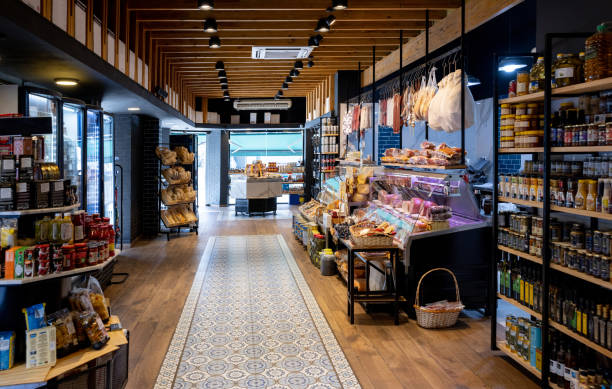
Anthony D’Anna’s story begins in a small Italian deli, where long days and steady work shaped how he sees people, effort, and responsibility. Behind the counter, he learned how trust is built one interaction at a time. He learned how showing up matters. Those early years taught him that leadership is less about authority and more about care, clarity, and consistency.
As his career evolved, Anthony carried those lessons into new spaces. He grew interested in how businesses operate, how decisions are made, and how systems either support people or slow them down. That curiosity led him into finance and strategic work, where preparation and focus became central to his daily routine. He is known for taking a measured approach, choosing steady progress over quick wins, and understanding how small choices add up over time.
Outside of work, Anthony’s love for cars and motorcycles reflects his mindset. He believes performance comes from balance and maintenance, not constant pressure. He often draws connections between tuning an engine and building a life that works. Both require patience, attention, and respect for the process.
People who know Anthony D’anna describe him as grounded and thoughtful. He listens closely and speaks with purpose. Whether managing teams, studying markets, or simply sharing lessons from experience, he has a way of helping others see things more clearly. His path shows that lasting impact is built quietly, through focus, discipline, and the willingness to learn every day.
Q&A: Anthony D’Anna on Inspiration, Confidence, and Building Real Momentum
When people hear “inspiration,” they often think of big moments. What does inspiration look like to you?
For me, inspiration is usually quiet. It’s not a dramatic speech or a sudden breakthrough. It’s watching something work because the basics were done well. I felt that early on when I ran my Italian deli. There were days where everything clicked. The team worked smoothly. Customers were happy. The prep was right. That kind of day doesn’t happen by accident. It happens because people did the small things consistently. That’s inspiring to me.
What inspires you most in business and in life?
I’m inspired by competence. I know that sounds simple, but it’s real. I love seeing people take pride in their craft. It could be a cook who takes their time plating a sandwich the right way. Or an employee who handles a customer issue with patience. I’m also inspired by discipline. I’ve always respected people who show up even when it’s boring, even when no one is clapping.
Do you find inspiration in the automotive world as well?
Absolutely. Cars and motorcycles have taught me a lot. When you work with machines, you learn that performance comes from balance. It’s not just speed. It’s control. It’s maintenance. It’s understanding how every part affects the whole system. That carries over into business. A company can look strong on the outside, but if one process is weak, the whole thing suffers. I like that cars don’t let you fake it. If something is off, you feel it.
How did running a deli shape the way you think about confidence?
Running a small business forces you to build confidence the right way. You don’t get confidence from titles. You get it from solving problems in real time. When you’re short-staffed and there’s a line out the door, you either fold or you figure it out. That kind of experience builds calm. It teaches you that you can handle pressure. It also teaches you humility, because you’re never “above” the work.
How do you inspire confidence in other people, especially when you’re leading a team?
I think confidence comes from clarity. People feel stressed when they don’t know what matters. So I try to make expectations simple and direct. In the deli, I learned quickly that vague leadership creates chaos. The same is true anywhere. If the goal is clear and the system supports the work, people perform better. I also try to lead by example. I don’t ask people to do things I wouldn’t do myself.
Have you always been a risk-taker?
I’d say I’m more of a calculated risk person. I like risk when I understand it. I don’t like risk when it’s based on hype. I’ve seen too many people confuse movement with progress. They think because they’re busy, they’re growing. But growth is not just doing more. Growth is doing the right things in the right order.
What helped you move from hands-on business into finance and strategic thinking?
Curiosity. I wanted to understand why certain decisions worked and others didn’t. In the deli, I could see cause and effect immediately. If we ordered too much, we lost money. If we trained poorly, customers noticed. That made me interested in systems. Finance and markets became another way to study decision-making. It requires discipline. It rewards preparation. I approached it like an operation. Learn the mechanics first. Then make adjustments.
What’s one moment in your career where you had to rebuild confidence after something went wrong?
Early on, I tried to expand too fast. I thought I was ready because the idea made sense. But the structure wasn’t there yet. It was one of those situations where everything looked fine until it wasn’t. I had to step back, slow down, and rebuild the foundation. That was humbling. But it taught me something important: speed is not the same as strength. Now I’m much more focused on building systems before scaling anything.
How do you bring ideas to life without getting overwhelmed?
I treat ideas like a machine. I break them down. I test them. I look for weak points. A lot of people fall in love with the concept and skip the process. I don’t do that. I ask, what problem does this solve? What parts need to work for it to succeed? What happens if one piece fails? Then I build a small version first. If it performs, I expand. If it doesn’t, I learn and adjust.
What inspires you to keep improving, even when things are already going well?
I think it’s the belief that maintenance is part of success. People wait until something breaks. I don’t like that approach. I’d rather check in early, adjust early, and stay consistent. That mindset comes from the automotive world too. You don’t skip oil changes and expect performance. You don’t ignore a weird sound and hope it goes away. I apply the same thinking to habits, business systems, and learning.
How do you handle days when you feel unfocused or mentally overloaded?
I disconnect. I go for a ride or a walk without my phone. I do something physical. The goal is to reset my mind. When you’re overwhelmed, your thinking gets sloppy. You start reacting instead of deciding. I’ve learned that stepping away for a short time often saves you hours of wasted effort.
What do you think people misunderstand about success?
They think it’s loud. They think it’s fast. They think it comes from one big moment. Most success is quiet. It’s built through small decisions and consistent habits. It’s not glamorous. It’s repetitive. But it works.
What keeps you inspired today?
The process. Seeing something run smoothly because the work was done right. Watching people improve when they have structure and support. Building systems that last. That’s what motivates me. I like the idea of steady progress. I like tuning things until they perform better. Whether it’s a business process or a motorcycle engine, the satisfaction is the same. You know you earned it.
About The Author