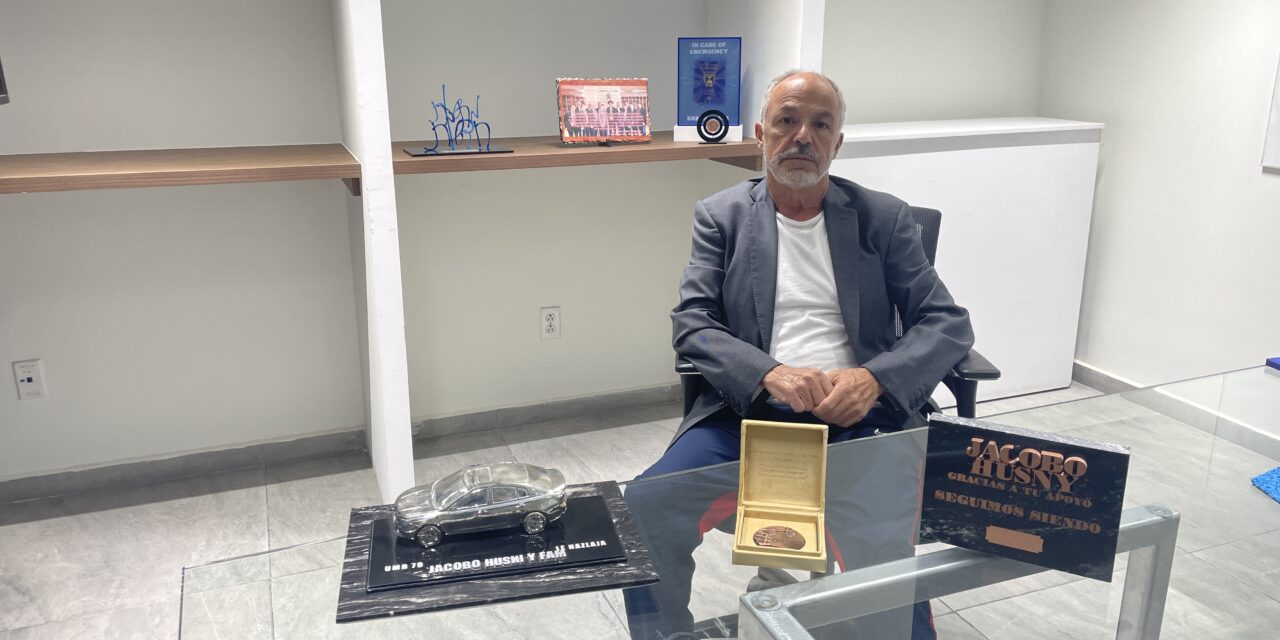
Jacobo Husny Hanono was born in Mexico City to Salomon Husny and Farida Hanono. From an early age, he showed a strong sense of curiosity and discipline. He was drawn to learning, movement, and the idea that growth comes from steady effort over time. That mindset would shape every chapter of his life.
Education played an important role in his foundation. Jacobo studied at Colegio Hebreo Tarbut, Colegio Hebreo Sefaradi, and Colegio Hebreo Monte Sinai before completing high school. He later pursued diplomas and courses in real estate development and housing at Universidad Anáhuac México Norte, and continued his studies in professional trading. Learning, for him, has never stopped. He studies markets, construction, and human behavior with the same focus he brings to athletics.
Jacobo Husny Hanono is also a committed endurance athlete. He has completed international marathons, cycling races, swimming events, and Ironman competitions. These challenges reflect how he approaches life—one step at a time, with patience and intention. He believes consistency builds strength, both physical and mental.
Professionally, Jacobo serves on the board of UMD, a community-based taxi app in Mexico. His work focuses on practical solutions that improve everyday life. Outside of business, he expresses creativity through resin art and a deep appreciation for Huichol culture. He also supports charitable institutions in Mexico and Israel.
Through discipline, curiosity, and generosity, Jacobo lives in a way that quietly encourages others to move with purpose, stay grounded, and build something meaningful over time.
What does inspiration mean to you, and where does it come from in your life?
Inspiration, for me, comes from movement and observation. When I train for a marathon or spend hours cycling, I notice patterns in my thinking. Long distances teach you patience. They also teach you humility. You realize very quickly that rushing never works. That lesson carries into everything else I do. I also find inspiration in people who quietly show up every day—craftsmen, drivers, builders—people who don’t talk much about success but live it through consistency.
How did your early life shape the way you approach success today?
Growing up in Mexico City, I was surrounded by contrast. You see ambition and struggle side by side. That environment teaches you to adapt. My parents emphasized values like responsibility and respect, and my schools reinforced discipline. I didn’t grow up thinking success was flashy. I saw it as something you earn slowly. That’s why I’m comfortable taking long paths instead of shortcuts.
How do you stay confident in your ideas, especially when taking risks?
Confidence comes from preparation. When I studied real estate development and later professional trading, I learned how much work happens before any visible result. Whether it’s a business idea or a physical challenge, I don’t move forward until I understand the risks. When I joined the board of UMD, it wasn’t blind optimism. I spent time understanding the community’s needs and the gaps in existing services. Once you’ve done that work, confidence becomes quiet and steady.
Can you share a moment when you had to trust yourself despite uncertainty?
Early in my career, I rushed into a real estate deal because the numbers looked good. I ignored warning signs in the partnership itself. That project failed. It was uncomfortable, but it taught me something important: trust matters more than projections. Now, when I feel uncertain, I slow down. I ask better questions. That moment reshaped how I approach every decision since.
How do you think you influence or encourage others without trying to?
I think people notice actions more than words. When others see me train consistently, study late at night, or step back to listen instead of speaking, that sends a message. At UMD, for example, I focus on listening to drivers and users first. When people feel heard, they step up. Inspiration doesn’t come from speeches. It comes from behavior.
What role does creativity play in your life and work?
Creativity keeps me balanced. Working with resin or collecting Huichol art forces me to slow down and focus on detail. There’s no rushing art. That mindset carries into business. You can’t force timing. You can only prepare and stay patient. Creativity reminds me that progress doesn’t always look linear.
How do endurance sports shape your mindset around success and risk?
Endurance sports teach you how to sit with discomfort. During an Ironman or a long run, quitting feels logical at certain moments. But you learn that emotions pass if you stay steady. Business is the same. Fear shows up before growth. If you don’t panic, you usually find your rhythm again. That lesson has saved me many times.
What helps you stay grounded when things are going well?
Routine. No matter what’s happening, I start my day the same way—with movement and quiet time. I also play backgammon. It’s strategic, but it reminds me that you can make the right move and still lose. That keeps my ego in check. Success doesn’t mean control. It means adaptability.
What advice would you give someone struggling to take their first risk?
Start smaller than you think you should. Most people don’t fail because they try. They fail because they rush. Build confidence through small, repeatable actions. That’s how I approached training, investing, and leadership.
Looking back, what has mattered most in getting you to where you are today?
Consistency and curiosity. I never assumed I knew enough. Whether studying markets, learning from athletes, or listening to people in my community, I stayed open. Over time, that openness creates opportunities. Success doesn’t arrive suddenly. It accumulates quietly, one decision at a time.
About The Author