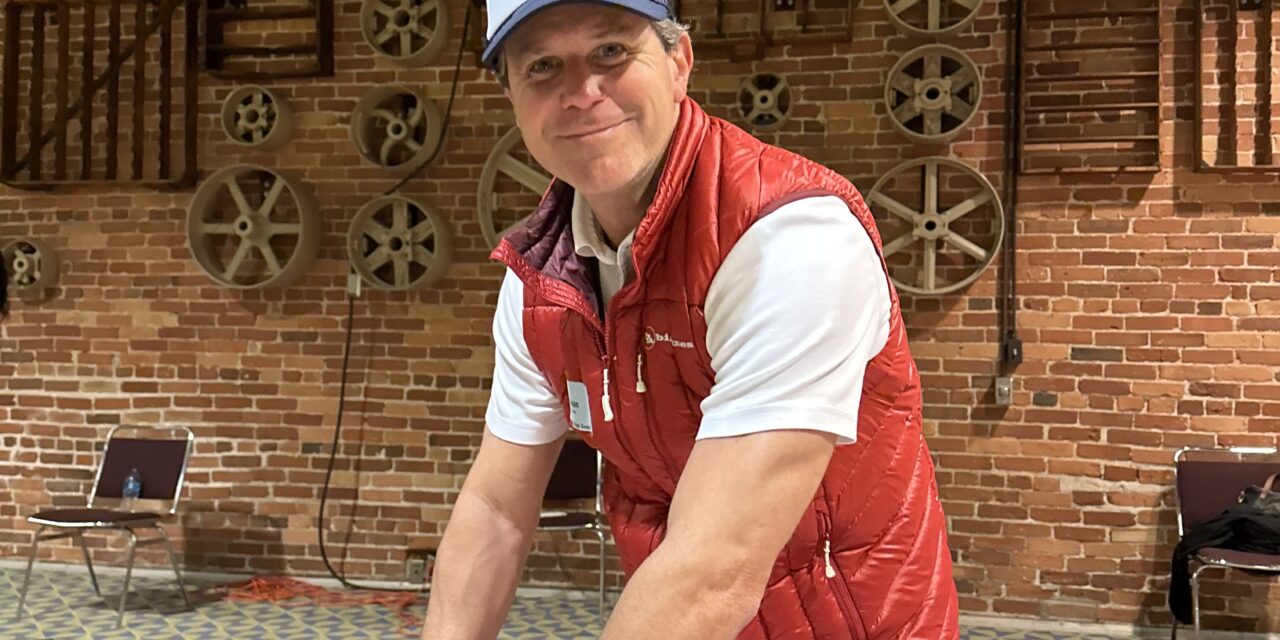
Sean Knox grew up surrounded by the rhythms of a family business built on service. Pest control was not just work in his household. It was a lesson in responsibility, relationships, and showing up for people when they needed help. From an early age, Sean learned that leadership meant more than giving direction. It meant earning trust.
When the Knox family business entered a new chapter in the mid-1990s, Sean stepped in alongside his father and brother to help rebuild and grow the company. The experience shaped how he views success. Growth mattered, but people mattered more. Customers. Team members. Communities.
Sean earned his business degree from Georgia Southern University in 2000 and later completed his MBA at Baylor University. He also pursued graduate studies in public policy at Regent University, where the focus on servant leadership left a lasting mark. That mindset continues to guide his decisions today. Lead with humility. Invest in others. Build something that lasts.
Under Sean’s leadership, Knox Pest Control expanded from a single location into 18 offices across the Southeast. The company now serves tens of thousands of customers and employs hundreds of people. Sean credits that growth to strong teams, shared values, and a culture built on trust.
Outside of work, Sean stays closely connected to his community. He serves on local boards, mentors young leaders, and supports programs that encourage purpose-driven leadership. For Sean, the work is not just about protecting homes. It is about helping people grow and leaving things better than he found them.
Q: You grew up in a family business with a long history. How did that shape your view of leadership early on?
Growing up, leadership never looked like sitting behind a desk. It looked like showing up early, staying late, and taking responsibility when things went wrong. The business was part of family conversations, but the focus was always on people. Customers trusted us with their homes. Team members trusted us with their livelihoods. That made leadership feel personal, not abstract.
Q: The modern chapter of Knox Pest Control really began in the mid-1990s. What do you remember about that period?
It was a rebuilding phase. My father stepped back into the business alongside my brother and me, and there was a sense that we were starting fresh while honoring the past. We were smaller then. One office. Limited resources. That forced us to be intentional. Every hire mattered. Every customer interaction mattered. You learn quickly that growth without discipline creates problems later.
Q: Education played a big role in your development. How did it influence your approach to business?
Business school gave me structure. My BBA helped me understand fundamentals. My MBA at Baylor helped me think long term. But my time at Regent University studying public policy changed how I viewed leadership. Their focus on Christian leadership framed success around service. It reinforced the idea that decisions should improve lives, not just balance sheets. That perspective stays with you when choices get hard.
Q: Knox Pest Control expanded significantly under your leadership. What fueled that growth?
We focused on people before expansion. That sounds slow, but it worked. We invested in training. We promoted from within. We made sure leaders understood the culture before opening new locations. When we went from one office to many, consistency mattered. Customers in different states should feel the same level of care. That only happens when teams feel supported and trusted.
Q: How do you inspire confidence in ideas without forcing them?
I ask questions. When someone brings an idea, I want to know how they see it working. What problem does it solve? Who does it help? That process builds ownership. People gain confidence when they feel their thinking is respected. Some ideas move forward. Others need time. But the conversation itself builds trust.
Q: What role does risk play in your decision-making?
Risk is unavoidable. The key is understanding it. I’m cautious about growth that outpaces culture. We’ve passed on opportunities that looked good on paper but didn’t align with our values. Taking a risk should strengthen the foundation, not crack it. Experience teaches you that not every opportunity is the right one.
Q: How does community involvement influence how you lead?
Serving on boards like the Boys & Girls Club and Rotary Club keeps things grounded. You see needs beyond business. You meet people working quietly to improve lives. That perspective changes how you measure success. It also reminds you that leadership extends beyond your office walls.
Q: Mentorship seems important to you. Why?
Because someone invested time in me. Not just teaching skills, but modeling behavior. I try to do the same. Leadership development doesn’t happen in classrooms alone. It happens in conversations, mistakes, and shared experiences. Helping someone grow is one of the most lasting impacts you can have.
Q: Looking back, what do you think allowed you to get where you are today?
Consistency. Surrounding myself with people who challenge me. Staying connected to the mission when growth created distractions. I don’t see leadership as a destination. It’s an ongoing responsibility. The goal is to leave the organization stronger than you found it and prepare others to carry it forward.
Q: What advice would you give to someone building something long-term?
Think beyond today. Invest in people early. Measure success by the trust you earn, not just numbers. If you do that consistently, growth becomes a result, not the goal.
About The Author