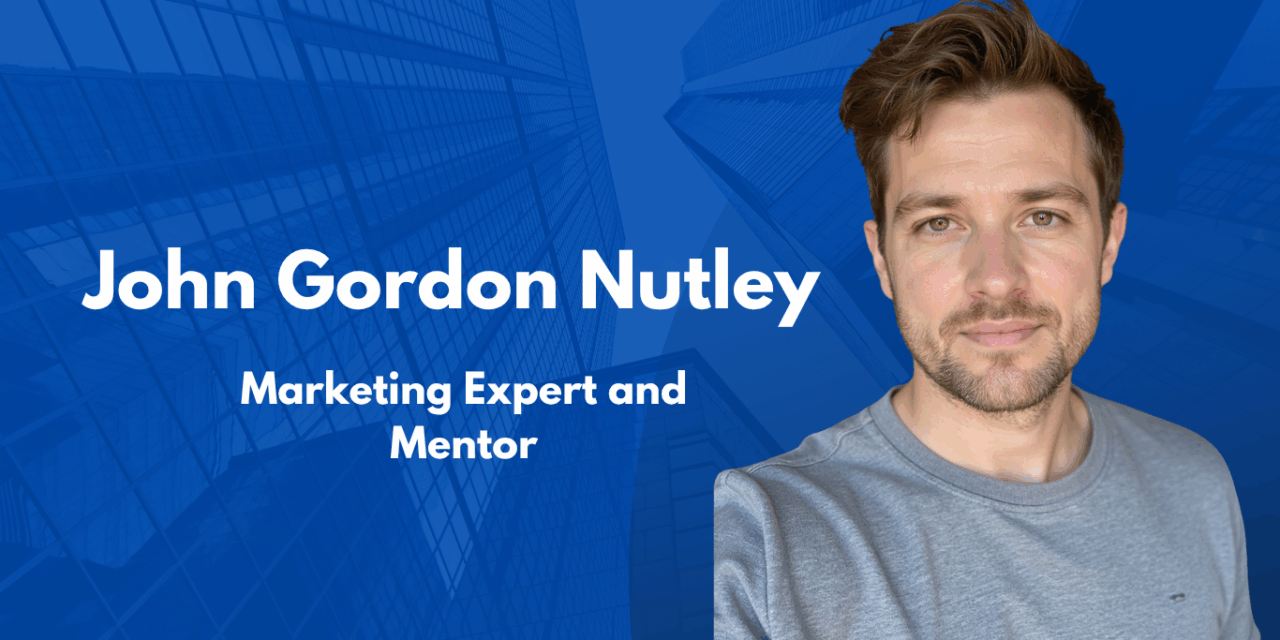
John Gordon Nutley is a Jersey City–based marketing strategist with more than fifteen years of experience guiding brands through transformation and growth. With an MBA in Strategic Marketing, he has built a reputation for identifying overlooked opportunities and turning them into profitable ventures. Nutley is particularly known for helping companies in crowded or low-margin industries find fresh positioning through sharper messaging, authentic storytelling, and a clear focus on long-term value. Over the years, he has partnered with both startups and established firms, steering brand turnarounds that not only improved profitability but also restored confidence among employees and customers. His approach combines market analysis, foresight, and a deep respect for purpose, ensuring that strategy is never detached from the people it serves.
Beyond his professional achievements, Nutley is a passionate philanthropist. He has dedicated significant resources to child-focused charities, with a particular focus on expanding educational access in underserved communities. He believes that the next great innovator could be a child who today lacks the means to attend school, and he works to change that reality. Nutley is equally committed to mentorship, offering honest guidance to emerging marketers as they navigate the challenges of a fast-evolving industry. Outside of work, he enjoys motorsports, especially Formula 1, where precision and strategy echo his professional passions.
What first drew you into the world of marketing, and when did you realize you had a talent for seeing market opportunities that others overlooked?
I was first drawn to marketing because I loved how ideas could shape behavior and influence perception. Early in my career, I worked on a small project where the team missed a clear opportunity. I suggested an alternative approach that targeted an underutilized customer segment. The results exceeded expectations. That moment helped me see I had a knack for spotting patterns others might dismiss. Over time, I developed a process for analyzing markets that uncovers hidden value. Realizing that I could bring clarity to complex situations inspired me to dedicate myself fully to this field.
Can you recall a moment early in your career when repositioning a brand completely shifted its trajectory and what you learned from that experience?
One of my earliest projects involved a company in a crowded consumer sector. They were struggling to compete on price and lacked a clear identity. I suggested a repositioning that focused on quality and values rather than discounts. We reshaped the message and adjusted their offerings. Within months, customer perception shifted, and profitability improved. That experience showed me how powerful clear positioning can be when aligned with authentic strengths. It also taught me that marketing is not just about clever campaigns. It is about finding the core story that makes a brand distinct and delivering it consistently to the right audience.
You’ve worked in both crowded industries and growth sectors. How does your approach to identifying market gaps change depending on the environment?
In crowded industries, I focus on differentiation. The challenge is to find what makes a brand stand out in a sea of sameness. That might involve highlighting overlooked strengths or creating a more personal connection with customers. In growth sectors, the task is more about foresight. I analyze trends and behaviors to predict where demand will shift next. Anticipating those shifts before they become obvious can be the difference between leadership and mediocrity. The fundamentals stay the same. I look for clarity and alignment. But the lens shifts depending on whether the market is oversaturated or still emerging.
What challenges do you face when introducing long-term strategic thinking to companies that are focused only on short-term survival?
The greatest challenge is convincing leadership that short-term wins are not enough for sustainability. Many companies in survival mode want quick results because they are under pressure. I respect that urgency but also emphasize the cost of neglecting long-term positioning. I show them data on customer retention, brand equity, and profitability trends. Real-world examples often help. It takes patience to strike a balance between immediate fixes and long-term planning. Some leaders resist at first, but when they see that strategic thinking stabilizes performance, they begin to trust the process. Long-term vision does not compete with short-term goals. It strengthens them.
You are known for transforming struggling firms into profitable ventures. What role does storytelling play in making a turnaround successful?
Storytelling is at the heart of every successful turnaround. A company can have great products, but if customers do not understand its value, the business will struggle. I work with leadership to uncover the authentic story behind the brand. That story must connect emotionally and practically with customers. Once we craft that message, we align everything from packaging to customer service. It is remarkable how quickly perception changes when the story feels authentic and relevant. Storytelling gives people a reason to care. It is not just about attracting attention but about building trust that leads to lasting loyalty.
Looking back, was there a pivotal campaign or brand transformation that crystallized your philosophy on how marketing can drive sustainable growth?
Yes, there was a project where a company in decline gave me complete freedom to reimagine their market presence. We conducted a full brand audit and rebuilt their identity from the ground up. Within a year, their profitability returned, and employee morale improved. That moment crystallized my philosophy that sustainable growth comes from alignment between vision, message, and delivery. It is not about one flashy campaign but about consistent clarity across every touchpoint. The experience reinforced my belief that marketing must be strategic, purposeful, and grounded in the reality of both the market and the organization itself.
When markets resist change or clients hesitate to take bold steps, how do you keep yourself and your team motivated to push forward?
When faced with resistance, I remind my team that change is rarely comfortable but always necessary for progress. I share stories of past projects where initial doubt turned into success. These examples show that boldness often pays off. I also break change into smaller steps, which helps clients feel less overwhelmed. Internally, we focus on the larger purpose of our work. Knowing that we are assisting businesses to survive and grow keeps our motivation alive. Even when progress is slow, the belief that our efforts can create fundamental transformation gives us the resilience to keep moving forward together.
Having advised both startups and established companies, what parallels do you see in their struggles, and how do those parallels inform your guidance?
Startups and established companies often face surprisingly similar struggles. Both can lose sight of their core identity. Startups get caught up in chasing every opportunity, while established firms sometimes cling to outdated practices. In both cases, clarity is the solution. I help them focus on who they serve, why it matters, and how they deliver value. The parallels remind me that growth and longevity depend on staying true to purpose. Whether new or mature, companies must continually evaluate the alignment between their vision and execution. This insight allows me to guide them with principles that apply across the spectrum.
Recognition and results often come with visibility. How do you balance external success with the internal responsibility of guiding brands that represent people’s livelihoods?
I take recognition as encouragement, but I never let it distract me from my real responsibilities. Behind every brand are employees, families, and communities that rely on stability. That weight keeps me grounded. I strike a balance between external visibility and a deep focus on preparation and honesty. I do not promise quick miracles. Instead, I commit to doing the work with integrity. Clients place their trust in me during critical times. That trust is sacred. Public recognition means little if I fail to deliver for the people depending on me. For me, responsibility always outweighs attention or awards.
Marketing can often be seen as transactional. How do you ensure that your approach remains centered on people and purpose, rather than just numbers?
I start by listening. Every campaign begins with understanding the human side of the brand. Numbers are significant, but they are the result, not the foundation. I focus on how customers feel, what they value, and how the brand can serve them in a meaningful way. Purpose acts as a compass. When strategy is rooted in purpose, the numbers naturally follow. I also emphasize long-term relationships over quick wins. If a brand connects with people authentically, loyalty grows, and results endure. Keeping people at the center reminds me that marketing is not about transactions. It is about building trust.
You’ve mentored many young professionals. What lessons do you most want them to carry forward into their careers, especially as the industry evolves?
I want young professionals to understand that success is not about shortcuts but about consistent effort. I encourage them to stay curious and continue learning, as marketing evolves rapidly. Listening is also critical. Clients and consumers reveal their needs if you pay attention. I remind them that humility is a strength. Arrogance can close doors, while openness leads to growth and opportunity. Above all, I want them to practice integrity. Cutting corners might bring short-term wins, but it damages trust. If they commit to honesty, curiosity, and service, they will thrive regardless of how the industry changes around them.
Can you share a specific initiative or repositioning project that you are particularly proud of, and what lasting impact it had on the company?
One project I am proud of involved repositioning a regional service firm that had been losing ground for years. We reframed their story around expertise and community trust rather than just cost. The shift resonated immediately. They regained market share, and customer loyalty increased. Employees also felt re-energized because they saw themselves reflected in the story. Years later, the firm remains strong and continues to expand. That impact lasts because the repositioning was not cosmetic. It was authentic to who they were. That project reinforced my conviction that genuine alignment between message and identity fosters lasting success.
In a world where consumer trust is fragile, how do you help brands connect with audiences in ways that feel authentic and lasting?
The key is honesty. I work with brands to ensure their promises align with what they actually deliver. Audiences today quickly spot insincerity. Authentic connection comes from transparency and consistency. I encourage companies to share their values openly and back them with actions. Storytelling helps, but only when it reflects the truth. Listening to feedback is equally important. Consumers want to feel heard. When brands take criticism seriously and act on it, trust grows. I believe authenticity is not a tactic. It is a way of operating. Brands that adhere to this principle foster lasting relationships with their audiences.
Your philanthropic work in education shows another side of your leadership. How does your giving back influence the way you approach your professional work?
Philanthropy keeps me grounded in purpose. Supporting education reminds me that opportunity should never depend solely on privilege. That perspective influences my professional work by encouraging me to think beyond profit. When I advise companies, I emphasize not just financial growth but also social impact. I have seen firsthand how investment in people changes communities. That belief carries into every strategy I create. Giving back teaches me that success is only meaningful if it is shared with others. It inspires me to help brands build legacies that serve more than shareholders. It reinforces my commitment to creating lasting positive impact.
When you look at your career today, do you find more satisfaction in the measurable business wins, the lives you’ve influenced through mentorship, or the broader impact of your philanthropy? Has that balance shifted over time?
Early in my career, business wins drove me. Turning around a brand felt like proof that I was making a difference. Over time, the balance shifted. Mentorship became more rewarding because I could see young professionals grow into leaders. Philanthropy added another layer by providing opportunities to those who might otherwise be overlooked. Today, all three matter, but the deepest satisfaction comes from impact beyond the numbers. Knowing that my work has shaped lives and created opportunities makes the journey worthwhile. The shift from personal achievement to collective impact has defined my professional growth.
About The Author