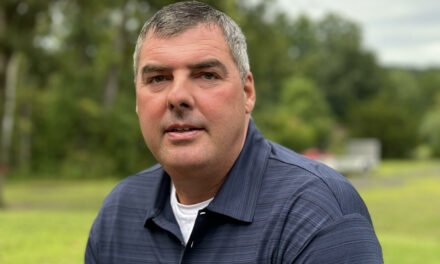
From Science Lab to College Leadership: How One Educator Built a Career on Integrity and Innovation
In a time when higher education faces fast changes and growing challenges, leaders like Jon Connolly stand out. His journey—from scientist to seasoned college executive—has been marked by purpose, resilience, and an unwavering belief in ethical leadership.
Based in Sussex, Connolly brings a thoughtful, student-first mindset to every role. His background in science and education blends naturally with his passion for institutional growth, community engagement, and lifelong learning.
How Jon Connolly Started His Career in Education
Jon Connolly didn’t begin his career in a corner office. He started in the classroom. With a strong foundation in environmental science, he taught students early in his career, discovering quickly that education was more than lectures—it was about changing lives.
“I never saw myself as just a teacher,” Connolly says. “I saw myself as someone who could help unlock opportunity.”
That mindset carried him into academic affairs, where he worked closely with faculty to improve curriculum and elevate student outcomes. Over time, he rose through the ranks—taking on more responsibility and greater leadership roles.
Why Leadership in Colleges Requires More Than Strategy
Connolly believes higher education leadership must be grounded in values. Over the years, he’s been known for guiding institutions through periods of major change—not with bold headlines, but with quiet determination and trust-building.
“Transparency and collaboration aren’t buzzwords to me,” he explains. “They’re the only way forward if you want lasting change.”
Whether helping restructure departments or leading through funding cuts, Connolly focuses on making decisions that serve students first. Colleagues note his habit of walking campus grounds and listening more than he speaks.
“He walks fast, but he’ll stop mid-stride just to ask how you’re doing,” one faculty member recalled. “That tells you who he is.”
Transforming Institutions in a Changing Higher Ed Landscape
In his executive roles, Connolly has led colleges through both expansion and tough transitions. He’s steered academic innovation projects, worked to boost enrollment during difficult years, and strengthened relationships between colleges and the communities they serve.
One area he champions is institutional resilience—making sure colleges can adapt and thrive even as student needs shift. That’s meant building stronger governance, supporting flexible learning through academic freedom, and encouraging collaboration across campuses.
“The goal is not just to survive,” he says. “It’s to grow in ways that stay true to our mission.”
Connolly’s Approach to Faculty and Student Success
Ask Connolly what makes a college successful, and he won’t start with buildings or budgets. He’ll talk about people.
“I’ve always believed faculty are the heart of any academic institution,” he says. “When you invest in them, you raise the bar for everyone. There is something essential about the academy and how it has advanced societies. Without the love of teaching, learning, and the scholarly activity of the faculty, it does not happen.”
That belief is part of why Connolly prioritizes faculty development opportunities and has empowered the college Deans to say “yes” to faculty growth at every turn. For students, he’s supported student engagement, athletics, and classroom design. He has focused on the development of new academic programs that are relevant to the job market and industry, and that incite a love for hands-on learning.
“Student success isn’t just about grades. It’s about giving people the tools to build a life that matters.”
Community Engagement and Life Beyond the Office
Outside his administrative work, Connolly remains active in community outreach. He sees colleges not as isolated ivory towers, but as part of local ecosystems. Serving as the chair of the Board for the Sussex County Economic Development Partnership for two years, he has advocated stridently for Sussex County and its economic potential
“Education doesn’t stop at the edge of campus,” he says. “We should be solving real problems and building real partnerships.”
He’s also committed to environmental science, often blending his early passion for the field with projects that benefit both students and the planet. This hands-on mindset keeps him grounded.
When he’s not leading or teaching, Connolly values lifelong learning—whether through reading, mentoring, or engaging in public dialogue.
Final Thoughts: A Leadership Model Built on Trust
Jon Connolly’s leadership isn’t flashy—but that’s exactly why it works. He has built a career by focusing on people, staying grounded in purpose, and doing the hard work of building consensus. He believes that consensus and common ground are more powerful than alternative methods because its inclusive approach “brings more brains on board” to solve problems.
His journey reminds us that steady, ethical leadership is still possible—and still powerful.
Key Learnings from Jon Connolly’s Career in Education
- Ethical leadership builds trust. Connolly believes transparency and collaboration are core to meaningful change in higher education.
- Student success goes beyond academics. Real support includes career development, mentorship, and community connection.
- Faculty development drives innovation. Investing in teachers leads to better outcomes across the board.
- Community matters. Colleges should be deeply engaged with local and regional needs.
- Change requires patience and clarity. Leading through transformation isn’t about rushing—it’s about getting it right.
Want more insights from higher education leaders like Jon Connolly? Stay tuned for interviews, features, and expert commentary.
About The Author