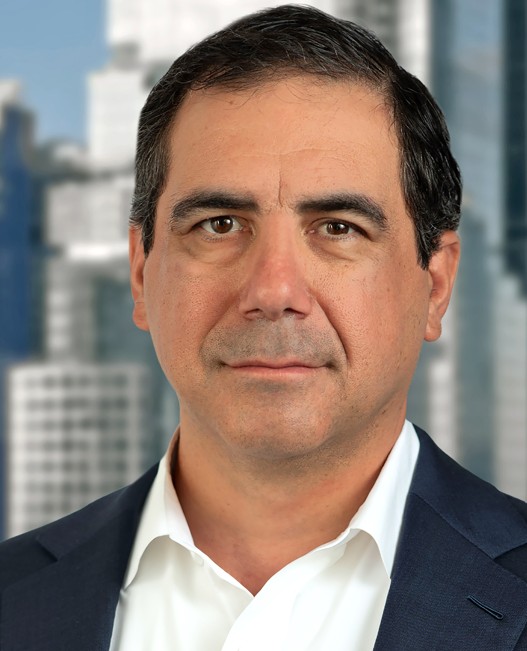
Jon DiPietra has built a career by asking better questions than most people around him.
He grew up between New Jersey and upstate New York, learning early how different communities think and operate. That curiosity stayed with him. After a short stretch pursuing music in Vermont, he moved to New York City and stepped into the fast pace of equity trading. It was there he learned how quickly markets can change, and how important it is to understand what is really driving decisions.
He later found his footing in real estate valuation. The work suited him. It required patience, research, and a willingness to challenge assumptions. Over time, he moved from small residential appraisals to some of the most complex commercial properties in New York City, including landmark buildings that define the skyline.
As his career grew, so did his role in helping others. He led teams, reviewed thousands of reports, and spent time guiding younger analysts through the details that are easy to miss. He became known for asking simple questions that made people think more clearly about their work.
Today, as a co-founder of H&T Appraisal, he continues to focus on building something steady and thoughtful. He values consistency over noise and discipline over shortcuts.
People who work with him often leave with a different perspective. Not because he tells them what to do, but because he helps them see things they might have overlooked.
Q: What has inspired you most throughout your career?
I’ve always been interested in how things work. Not just in a technical sense, but in a practical sense. Why do people make certain decisions? Why does one building perform better than another? That kind of curiosity has probably been the biggest driver for me.
Early on, when I was trading equities, I saw how quickly markets react. That stuck with me. When I moved into real estate, I realized the same idea applies, just at a slower pace.
Q: You’ve worked on some of the most high-profile properties in New York. Did that change how you think about success?
Not really. The scale changes, but the work doesn’t. Whether it’s a small mixed-use property or a major office tower, the process is the same. You still have to understand the income, the risk, and the market.
One thing that did change was the level of scrutiny. When you’re working on a major asset, people look closely at every assumption. That forces you to be more disciplined.
Q: You’ve led large teams. How do you inspire confidence in others?
I try to keep things simple. If someone is working on a report, I’ll usually ask them what assumption they feel least certain about. That question tends to open things up.
I had an analyst once who was very strong technically, but hesitant to speak up. We were reviewing a deal and he mentioned, almost in passing, that the lease rollover might be an issue. We dug into it and it turned out to be the most important part of the analysis.
Sometimes people already know the answer. They just need the space to say it.
Q: You’ve mentioned being fired from a leadership role before starting your current business. How did that shape you?
It forces you to reset. When something like that happens, you don’t have the option of staying comfortable. You have to figure out what matters and what doesn’t.
For me, it made me focus more on building something that was consistent. Not just growth for the sake of growth, but something that holds up over time.
Q: What role does risk play in your decision-making?
Risk is always there. You don’t eliminate it, you understand it.
I ride enduro motorcycles, and there’s a similar idea. You’re constantly adjusting to terrain. You’re not trying to avoid every obstacle, you’re trying to stay balanced.
In business, it’s the same. You look at the situation, you understand what could go wrong, and you make a decision anyway.
Q: What advice would you give to someone trying to build confidence in their ideas?
Do the work. That’s where confidence comes from.
If you understand your numbers, your assumptions, and your market, you don’t need to guess. You can explain your reasoning clearly.
I’ve seen people try to shortcut that process, and it usually shows. The people who take the time to really understand what they’re doing tend to stand out.
Q: What keeps you motivated today?
I still like the problem solving. Every assignment is a little different. Markets change, properties change, and you have to adjust.
I also enjoy seeing people develop. When someone starts to think more independently and ask better questions, that’s rewarding.
Q: Looking back, what do you think made the biggest difference in your career?
Consistency.
There’s no single moment where everything changes. It’s just showing up, doing the work, and staying curious over time.
That adds up.
About The Author