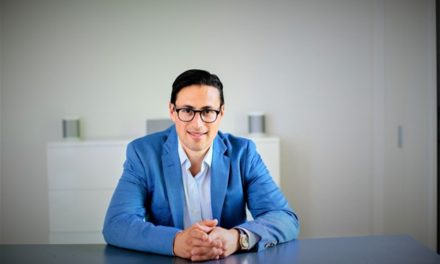
From Honolulu to Jacksonville: A New Chapter in a Long Career
When Dr. Jon F. Graham decided to move from Honolulu to Jacksonville in 2024, it wasn’t a retirement wind-down. It was a next step. After four decades of neurosurgical leadership—including military service, private practice, and academic research—he joined Altus Medical Group to bring his experience to a team focused on collaborative, patient-first care.
At Altus, he now works alongside Dr. Andrew Cannestra, a leader in minimally invasive spine surgery, and Dr. Kevin Kaplan, an orthopedic surgeon with deep expertise in sports medicine. For Dr. Graham, the decision to join the group was rooted in a shared philosophy.
“The strength of Altus is in the team approach,” he says. “We’re combining different specialties, but we all believe in the same thing—clear diagnosis, responsible treatment, and patient understanding.”
Building a Foundation in Biochemistry and Brain Science
Dr. Graham’s path started in Michigan. He earned a Bachelor of Science in Biochemistry from Michigan State University in 1974, graduating with high honors. He went on to complete his medical degree at Wayne State University, where he earned distinction and was inducted into the Alpha Omega Alpha honor society.
But it wasn’t just academics that shaped him. From the start, Dr. Graham was drawn to systems—how things connect, how they break down, and how they can be repaired. That curiosity carried into his training at Walter Reed Army Medical Center, one of the top neurosurgical programs in the country.
While there, he also conducted neuro-oncology research at the National Institutes of Health (NIH), deepening his understanding of brain tumors and neurological disease.
Leadership in Military Medicine
Between 1984 and 1988, Dr. Graham held leadership roles at Tripler Army Medical Center in Honolulu, including Assistant Chief and Chief of Neurosurgery. During this period, he honed his ability to lead surgical teams, manage high-risk cases, and communicate complex medical decisions in high-pressure environments.
“Military service teaches you to think clearly and act decisively,” he says. “But it also teaches you to listen—to your patients, your team, and the situation.”
This balance of confidence and care would define his next 30 years.
Advancing Neurosurgical Practice in Hawaii
After leaving the Army, Dr. Graham became Chief of Neurosurgery for the Hawaii Permanente Medical Group, where he served from 1988 to 2000. He later opened his own private practice, Jon F. Graham, MD, LLC, and founded the Pacific Spine Institute.
In these roles, he built systems of care that focused on more than just surgical outcomes. He prioritized patient education, clear explanations, and appropriate treatment pathways. Whether operating on the spine or providing second opinions for complex cranial cases, his goal remained steady: give patients the tools to make informed decisions.
“People don’t just want a procedure,” he says. “They want to understand their condition and know what their options are.”
Areas of Expertise: Spine, Brain, and Second Opinions
Dr. Graham specializes in treating cervical, thoracic, and lumbar spinal conditions, as well as complex cranial disorders. He’s particularly skilled in evaluating surgical necessity and identifying conservative options when appropriate.
His clinical focus includes:
- Degenerative spine disease
- Herniated discs and spinal stenosis
- Brain tumors and cranial lesions
- Second opinions for surgical planning
- Long-term neurological care
His emphasis on careful evaluation and clear recommendations has made him a trusted voice in the field for decades.
Joining Altus Medical Group: A Strategic Fit
Dr. Graham’s transition to Altus Medical Group represents more than a new work environment. It reflects a shift toward integrated, multi-specialty care. At the Jacksonville location, patients now have access to spine surgery, orthopedic procedures, sports injury care, and neurological expertise—all in one coordinated setting.
“Working with Dr. Cannestra and Dr. Kaplan means we can evaluate patients from multiple angles,” Dr. Graham explains. “You don’t have to go from office to office. We’re here in one place, making collaborative decisions.”
This model improves communication between providers and gives patients a more seamless experience—from imaging to recovery.
A Career Defined by Clarity
Throughout his career, Dr. Graham has emphasized the importance of communication. He’s known for breaking down CT scans and MRI results in everyday language, walking patients through treatment risks and benefits, and making sure families understand the path ahead.
He’s also remained active in professional organizations, including:
- American Association of Neurological Surgeons (FAANS)
- Congress of Neurological Surgeons
- American College of Surgeons (FACS)
- Hawaii and Philippine Medical Associations
These affiliations reflect his continued commitment to clinical standards and patient advocacy.
“Small Decisions Shape Big Outcomes”
Looking back, Dr. Graham sees the value not just in surgical milestones—but in the smaller, day-to-day choices that shaped his practice.
“Big ideas don’t always mean new technology or new procedures,” he says. “Sometimes the biggest shift is how you talk to patients. How you slow down and explain. That’s what leads to better outcomes.”
Now, at Altus Medical Group, he continues that work—bringing decades of insight to a new generation of patients and practitioners.
About The Author