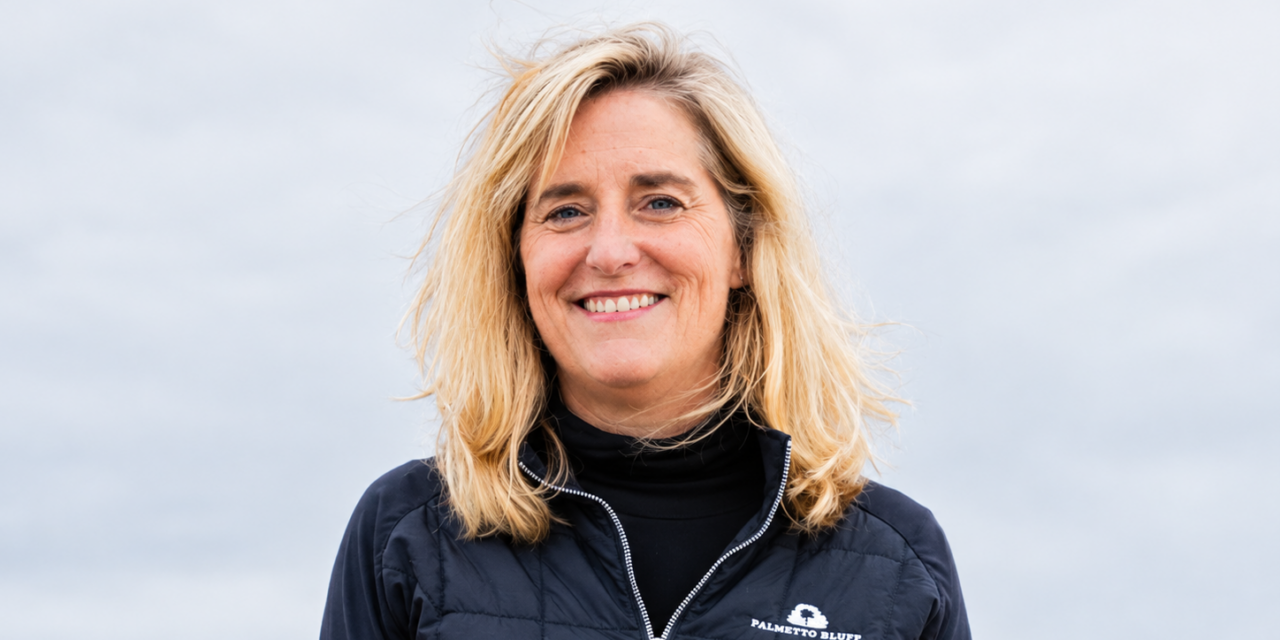
Kendra Drozd has spent much of her life learning from people who believed in her and finding ways to offer that same encouragement to others. From her early years as a competitive tennis player to her career in marketing and recruiting, she has carried those lessons into motherhood, volunteer work, and everyday relationships.
Growing up in Glencoe, Illinois, Drozd developed a strong work ethic through tennis. She became captain of her high school varsity team and later played for four years at Williams College. Her coaches taught her the value of preparation, confidence, and perseverance, lessons she continues to share with her four daughters.
After earning her MBA from Northwestern University’s Kellogg School of Management, Drozd worked in brand management at Kraft Foods before moving into executive recruiting. Throughout her career, she valued opportunities to understand people, recognise their strengths, and help them move forward.
Her greatest influences, however, came from personal relationships. Church mentors, family members, and friends showed her how much a person’s confidence can grow when someone offers consistent support without judgement.
Since 2012, Kendra Stearns Drozd has served as a commissioned Stephen Minister, providing confidential emotional and spiritual support to people facing difficult circumstances. Her commitment grew from the compassion she received during her own experiences with pregnancy loss.
Today, living in Bluffton, South Carolina, Drozd remains devoted to family, faith, and service. She measures success through happiness, meaningful relationships, and the difference people make in one another’s lives.
Kendra Stearns Drozd on the People Who Shape Us and the Confidence We Pass Along
From competitive tennis and corporate marketing to motherhood and community service, Kendra Stearns Drozd reflects on the people, experiences, and decisions that have influenced her understanding of success.
Kendra Stearns Drozd has followed several different paths throughout her life. She grew up playing competitive tennis in Illinois, studied at Williams College and Northwestern University’s Kellogg School of Management, and built a career in advertising, brand management, and executive recruiting. She later stepped away from full-time professional work to raise her four daughters and become more involved in her community.
Through each stage, Drozd has been influenced by people who encouraged her to take chances, work through setbacks, and recognise her own abilities. Now a commissioned Stephen Minister living in Bluffton, South Carolina, she continues to apply those lessons through motherhood, volunteer work, and supporting people during difficult periods in their lives.
Who had the greatest influence on your confidence when you were growing up?
My parents played a major role, but two people who had an enormous influence on me were Mr. and Mrs. Javore from my childhood church in Glencoe, Illinois. They were involved in everything from Sunday School and choir to youth retreats, performances, and community service.
What made them special was how comfortable they made us feel. They encouraged us to try new things, take on responsibility, and make mistakes without feeling embarrassed. I could laugh, cry, or ask questions around them and always feel accepted.
I have thought about their influence many times as a mother. Children need opportunities to discover what they are capable of, but they also need adults who make them feel safe while they figure things out.
How did competitive tennis shape the way you approach challenges?
I started taking tennis seriously when I was nine years old. By high school, I was playing number two singles and became captain of the girls’ varsity team at New Trier. I later played all four years at Williams College.
My tennis coach insisted that we learn a poem called Thinking by Walter D. Wintle. Its message was about believing in yourself before expecting to accomplish something difficult.
That stayed with me because tennis requires confidence even when things are going badly. You might lose several games in a row, but you still have to believe you can compete. I have shared that poem with my daughters many times because I want them to understand how much their own thinking can influence the way they approach a challenge.
Was there a moment when you had to put that lesson into practice?
Absolutely. My freshman year at Williams was difficult academically. I wasn’t as disciplined as I needed to be, and my grades reflected that. During the summer before sophomore year, I decided I wanted to graduate with at least a B average.
I couldn’t change my freshman grades, but I could change what I did next. I attended classes consistently, worked harder, met with professors, and used the academic resources available to me.
When I received my final transcript and saw that I had reached my goal, it was one of the most rewarding moments of my life. Nobody could do that work for me, which made accomplishing it especially meaningful.
Who encouraged you to pursue a business career?
My father was probably the biggest influence on my professional direction. When I was 19, he arranged for me to meet several women who were working in business. Those conversations helped me picture a future that I hadn’t fully considered before.
I decided I wanted to work in advertising, attend Kellogg for my MBA, and eventually go into marketing at Kraft Foods. My father helped me understand how to approach those goals and what steps might get me there.
I think there is something powerful about introducing young people to individuals who are already doing work that interests them. Sometimes you need to see someone living out a possibility before you can imagine doing it yourself.
What did working in advertising and brand management teach you about taking risks?
Early in my advertising career, I worked on a KFC promotion involving about a dozen people dressed as Colonel Sanders. I was responsible for getting them to appearances around Chicago, including sporting events, and making sure they followed the rules. Let’s just say that managing a group of costumed Colonels required more patience and quick thinking than I expected!
Later, at Kraft Foods, I worked on products including Kraft Singles and FreshPrep. I participated in consumer research where we visited families in their homes to observe how they prepared meals.
Those experiences taught me that creativity needs to be supported by a real understanding of people. I believe in calculated risks, but you have to be willing to listen, observe, and adjust your ideas when you learn something new.
How has your idea of success changed since becoming a mother?
Earlier in my life, I had very clear professional goals. I wanted to attend certain schools and work for particular companies, and I worked hard to make those things happen.
Motherhood changed how I thought about achievement. I have four daughters, and what matters most to me is that they feel loved, valued, and confident in who they are.
I remember hearing Maya Angelou’s advice that your eyes should light up when your child enters the room. My grandmother always made me feel that way, and I have tried to give my daughters that same feeling. Being present and making someone feel genuinely welcome can have a lasting effect.
How did your personal experiences lead you to Stephen Ministry?
I experienced multiple devastating miscarriages and unsuccessful IVF treatments. During those years, I was fortunate to have people who supported me through circumstances that were incredibly painful.
I wanted to offer that kind of care to someone else, which led me to become a commissioned Stephen Minister in 2012.
Stephen Ministry involves walking alongside people experiencing grief, illness, loneliness, or other life challenges. One of my caring relationships lasted about five years, and it became one of the most meaningful relationships of my life.
I learned that helping someone doesn’t always mean finding an answer to their problem. Sometimes the greatest gift is listening carefully, allowing them to be vulnerable, and continuing to show up.
What advice would you give someone who struggles to believe in themselves?
I would remind them that confidence isn’t always something you have before you begin. Sometimes you have to act with confidence while you’re still developing it. I’ve often relied on the idea of “fake it until you make it,” particularly when facing something unfamiliar.
I would also encourage them to think about the people who have supported them and to seek out relationships where they feel comfortable growing and making mistakes.
When I look back, the people who made the greatest difference in my life weren’t necessarily the ones giving me big speeches or complicated advice. They were the ones who believed in me, made time for me, and helped me believe that I was capable of more than I realised.
About The Author