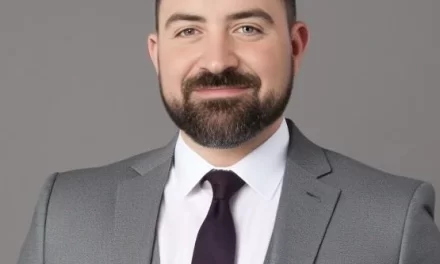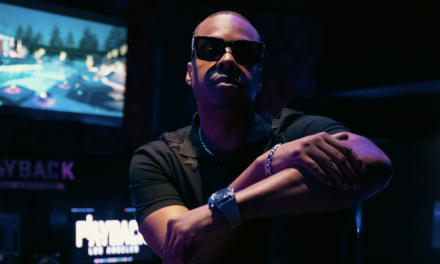
Kevin Knasel has become a defining voice in the music communities of St. Louis, Missouri, and Centerburg, Ohio not just as a performer, but as a connector, mentor, and visionary. His career is a testament to how passion for music can evolve into a lifelong mission of empowerment and unity. For Kevin, melody is a bridge that brings people together and sparks meaningful change.
In St. Louis, Kevin has helped craft the heartbeat of the city’s modern music culture. His sharp ear for undiscovered talent and genuine commitment to nurturing new artists have made him a trusted figure among both rising and established musicians. Through countless collaborations and creative projects, he’s built a legacy as someone whose influence ripples from small local venues to major festival stages.
A true innovator, Kevin constantly reimagines what live music can be. His curiosity for new sounds and fearless approach to experimentation keep his performances vibrant and relevant, ensuring that his community stays connected to the evolving pulse of modern music.
Outside the studio and stage, Kevin’s heart beats for service. His volunteer work with the Missouri Music Foundation, homeless shelters, and food banks across Ohio highlights his deep belief that music and compassion belong together.
Whether he’s guiding an aspiring musician, organizing community initiatives, or unwinding with a game of chess under the trees, Kevin Knasel lives in rhythm with creativity and kindness. His presence continues to inspire by reminding everyone that music, at its best, is a shared human experience.
Kevin, your name carries weight in both the St. Louis and Centerburg music communities. How did your journey into music begin, and what shaped your path early on?
My journey started with curiosity more than ambition. Music was always around me, but what truly shaped my path was seeing how it brought people together. Early on, I realized music was not just about performance but about connection. In St. Louis, I was surrounded by diverse sounds and stories that pushed me to listen deeply and stay open. Those formative experiences taught me that music has a responsibility to reflect community, elevate voices, and create shared moments. That understanding continues to guide everything I do today.
You are often described as a mentor and champion for emerging artists. Why is mentorship such a central part of your work?
Mentorship matters because no one truly builds a meaningful career alone. I benefited from people who believed in me before there was any proof I deserved it, and I see mentorship as paying that forward. Emerging artists do not just need opportunities. They need guidance, honesty, and encouragement. I focus on helping artists understand their own voice rather than molding them into something marketable. When artists feel supported instead of pressured, they grow with confidence, and that growth strengthens the entire music ecosystem.
How would you describe your role in shaping the sound and identity of the St. Louis music scene?
I see myself as a connector rather than a gatekeeper. St. Louis has an incredible range of talent, and my role has been helping create spaces where those voices can intersect. Whether through live events, collaborations, or behind the scenes support, I aim to amplify what is already authentic. The city’s sound is not defined by one person. It is built collectively. I simply help clear the path so creativity can thrive and the city’s musical identity can evolve naturally.
You are known as a visionary tastemaker who stays ahead of trends. How do you balance innovation with authenticity?
Innovation only works when it is grounded in honesty. I constantly explore new sounds, but I never chase trends just to stay relevant. Instead, I listen to artists, audiences, and what feels genuine in the moment. Authenticity comes from understanding where music has been and where it is going. When artists feel free to experiment without losing themselves, innovation happens naturally. My role is to create room for that exploration while staying rooted in the soul of the community.
Community advocacy is a major part of your life. How do music and service intersect for you?
Music and service are inseparable to me because both are rooted in care. Music gives people hope, identity, and belonging. Service provides those same things in tangible ways. Working with the Missouri Music Foundation, shelters, and food banks in Ohio reminds me that impact is personal. When music supports service, it becomes more than entertainment. It becomes a bridge between creativity and compassion, reminding people that art can heal and uplift.
What motivates your philanthropic involvement beyond the spotlight of the stage?
The stage is visible, but real impact often happens quietly. My motivation comes from recognizing that influence carries responsibility. If I have access, platforms, or resources, I need to use them with intention. Supporting food banks or shelters is not about recognition. It is about dignity. Music may open doors, but service ensures those doors lead somewhere meaningful. I believe lasting influence is measured not by applause, but by how many lives are improved.
You split your influence between urban St. Louis and smaller communities like Centerburg, Ohio. How does that dual perspective shape you?
That balance keeps me grounded. St. Louis offers scale, diversity, and creative energy, while Centerburg reminds me of intimacy and direct impact. In smaller communities, you see immediate results and know the people you are helping. Both environments offer valuable lessons. Together, they reinforce that music does not belong to one type of place. Its power is universal, whether filling a festival crowd or supporting a local cause.
Mentoring, performing, and advocating require energy. How do you personally stay balanced?
Balance comes from intentional pauses. I enjoy quiet moments like playing chess in the park because they slow my thinking and sharpen my perspective. Creativity needs rest to remain meaningful. I have learned that constant motion does not equal effectiveness. When I protect time for reflection, I return to music and service with clarity. Those simple rituals help me stay present, grounded, and focused on what truly matters.
What do you believe defines real influence in today’s music industry?
Real influence is not about numbers. It is about trust. Influence is earned when people know your intentions are sincere and your actions consistent. In today’s industry, influence grows through relationships, not just platforms. When artists feel supported, communities feel seen, and audiences feel respected, influence follows naturally. The most impactful leaders empower others to succeed even when there is no spotlight.
Looking ahead, what legacy do you hope to leave within music and community?
I hope my legacy reflects unity. If people remember me as someone who connected artists, strengthened communities, and used music as a force for good, that is enough. I want the spaces I have touched to feel more open, collaborative, and human. Music will always evolve, but values endure. If future artists lead with authenticity and service, I will know the rhythm of my life struck the right chord.
About The Author