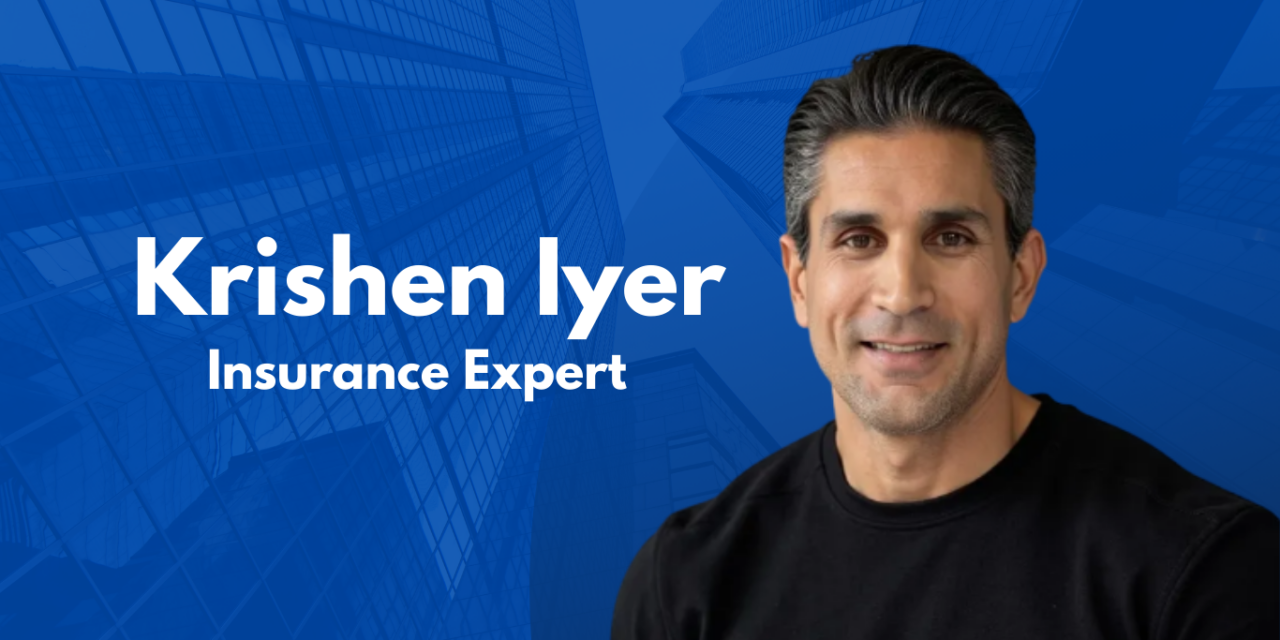
Krishen Iyer didn’t take the easy path. He started in insurance while still a student at San Diego State University, juggling coursework with client calls. From day one, he wasn’t content to just “do the job.” He wanted to fix what was broken.
“I saw how much time people wasted chasing the wrong leads,” he says. “I started thinking, what if we flipped the system?”
He did just that. First with IHS Insurance Services. Then, Name My Premium Insurance, which saw 236% growth in three years and landed on the Inc. 5000 list. He built systems—real ones, not just ideas—that made things work better.
But Iyer didn’t stop at one win. He launched Managed Benefits Services to bring smarter structure to health and dental lead gen. Later, MAIS Consulting, to help others grow the right way, not the fast way. He focused on clear tracking, real performance, and no fluff.
His approach has quietly shaped how others build their own businesses—especially in service industries where quality matters more than volume.
“Most people want a shortcut,” he says. “I wanted to build something that could last.”
Beyond business, Krishen Iyer also founded 4 Humans Inc., a nonprofit that supports veterans and underserved communities. It’s all part of a simple pattern: fix what’s broken, and leave things better than you found them.
What inspires you most when you’re building something new?
I get inspired by inefficiency. If something feels slow, clunky, or just broken, my brain immediately starts working on how to fix it. That’s how it started for me in insurance. I was working in the industry while still in college, and I noticed how outdated the systems were. It wasn’t exciting—it was frustrating. But that frustration turned into focus. I started sketching out ways to improve lead flow, client matching, and tracking. I’m not chasing motivation or some big vision. I’m chasing what’s broken. That’s where the good ideas hide.
How do you know when to trust an idea?
If it makes things easier, cleaner, or faster in a measurable way, I trust it. That’s the filter. If it only sounds good on paper but doesn’t hold up when tested, I walk away. At NMP Insurance, we tested everything—calls, traffic, conversions. We had a 25-person call centre running like a lab. Every idea had to prove itself. The best ones always rose to the top because they actually made the system smoother.
A lot of people struggle with confidence when starting something. How did you build yours?
I didn’t start out confident—I started curious. And I got obsessed with cause and effect. Like, if we shift this process, does that improve our close rate? If I change this copy, do we get better quality leads? That constant testing gave me data, and the data built confidence. Confidence without proof is just noise. But when you know what works because you’ve seen it again and again, you start trusting yourself more. That’s how I grew into a leader—quietly, through trial and error.
Have you always been comfortable taking risks?
I’m comfortable with controlled risks. I’m not a gambler, but I don’t play it safe either. For me, the key is structure. At Managed Benefits, we built everything in-house—traffic scoring, real-time verification, custom campaign templates. That gave us more control over the risk. I knew we could monitor results minute-by-minute. That’s how I’ve always approached risk. Make it small, trackable, and adjustable.
One time early on, we poured resources into a new lead vertical that didn’t work. It flopped. But because we tested it in a contained way, it didn’t wreck us. It gave us feedback. That kind of failure is fine—just don’t let it be a blind bet.
What do you think others find most inspiring about your work?
Probably that I don’t try to “go big” first. People see these companies I’ve built, but they don’t always see the years of fixing one process at a time. I think it’s comforting for people to realise you don’t need to have everything figured out. You just need to improve one thing, then another. That’s how NMP grew. That’s how MAIS Consulting works. It’s just one improvement stacked on another.
What’s one example where you saw your approach help someone else?
At MAIS, I was working with a client in the contracting space. They were generating leads, but their close rates were all over the place. I didn’t give them a generic solution. We tracked their intake process, restructured their qualification flow, and added real-time metrics. Three months later, their cost-per-acquisition dropped by 40%. That kind of shift changes everything for a small business. And it wasn’t about “inspiration”—it was about building a better system, one piece at a time.
If someone’s just starting out and feeling overwhelmed, what would you say?
Don’t worry about being brilliant. Worry about being consistent. Start with what’s broken. Ask dumb questions. Track everything. You don’t need a 10-year plan. You need a system that works today, and the discipline to keep improving it. That’s how you build something real.
About The Author