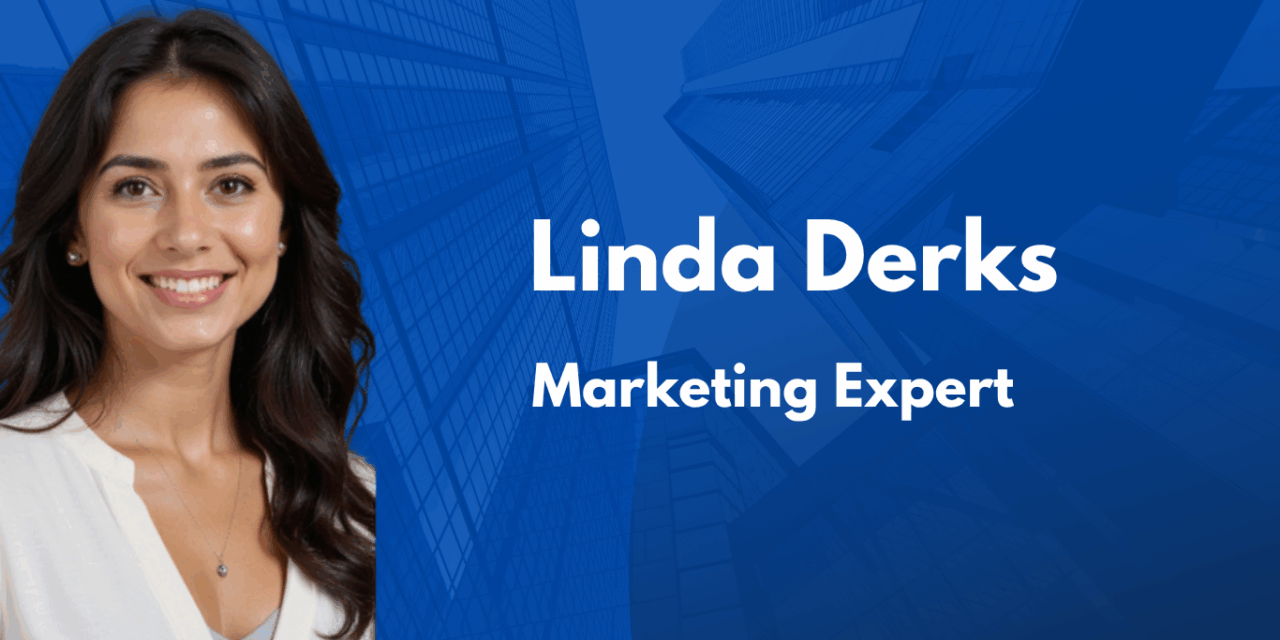
For Linda Derks, marketing has always been about creating clarity, building trust, and sparking genuine connections. As the founder of Linda Derks Strategy Group in Chicago, she helps businesses uncover their authentic voice and translate it into strategies that inspire both loyalty and measurable growth.
Over the past 15 years, Linda has guided organizations across industries including healthcare, technology, consumer goods, and financial services. Her expertise lies in simplifying complex market insights into actionable strategies and crafting brand narratives that resonate with diverse audiences. Known for her precision and creativity, she approaches every campaign as both an architect and a storyteller, balancing analytical rigor with fresh, engaging ideas.
Linda’s leadership extends into the broader marketing community. She is a frequent keynote speaker at industry events, a contributor to respected publications, and a mentor who invests her time in developing the next generation of marketing leaders. She is particularly passionate about helping women and young professionals carve their path in an industry that demands both resilience and innovation.
Her colleagues describe her as visionary yet grounded, someone who can see the big picture without losing sight of details that matter. Whether working with a startup building its first brand identity or a global company redefining its market presence, Linda brings energy, focus, and a commitment to lasting results.
Her guiding philosophy is clear: marketing that connects people to purpose will always stand the test of time.
Linda, you’ve worked with both startups and Fortune 500 companies. What’s the biggest difference between marketing for each?
The biggest difference lies in agility versus scale. Startups move fast and they’re testing, iterating, and redefining themselves weekly. Large corporations, on the other hand, have established processes and layers of approval, which can slow innovation but provide consistency and reach. My job is to bridge those worlds: bring startup agility into enterprise systems, and give startups the structure they need to sustain growth. Ultimately, whether it’s a new app or a global brand, the goal remains the same, to create authentic, lasting connections that drive meaningful results.
You’re known for blending data with storytelling. How do you balance analytics with creativity?
Data and creativity aren’t opposites rather they’re partners. Data gives us the “why,” but creativity brings the “wow.” You can analyze patterns, behaviors, and performance metrics all day, but if your story doesn’t resonate emotionally, you’ll lose the audience. I use data as a compass, not a cage. It helps inform what we create, who we target, and when we pivot. Then, creativity transforms that insight into something memorable. The best campaigns are those where numbers and narrative work hand in hand to build trust and engagement over time.
What inspired you to start the Linda Derks Strategy Group?
After years of working in agencies and corporate roles, I realized that many businesses were drowning in complexity. They had data, consultants, and tools but no clarity. I wanted to build a firm that simplifies the noise and focuses on strategy that actually drives growth. Linda Derks Strategy Group was born from that vision: a place where insights become action. We help organizations position their brands, unify their messaging, and embrace digital transformation in ways that feel authentic, not forced. For me, it’s about empowering brands to move forward with confidence and purpose.
What do you believe makes a brand truly “authentic”?
Authenticity isn’t about being trendy, it’s about being transparent and consistent. It means understanding who you are, what you stand for, and communicating that clearly across every channel. Consumers are incredibly perceptive; they can tell when a brand is performing authenticity versus living it. The most successful brands know themselves deeply: their values, their purpose, and their audience. They don’t try to be everything to everyone. Instead, they build trust by being real, even when that means being imperfect. Authenticity, in essence, is the foundation of long-term loyalty.
You’ve worked across industries of technology, healthcare, finance, and consumer goods. How do you adapt your strategies to different markets?
Every industry has its own language, regulations, and rhythm but people remain the constant. Whether I’m working on a healthcare campaign or a fintech launch, I always start with empathy. Who is the audience? What do they value? What problem are we solving? Once we understand that, we can build strategies tailored to the industry’s nuances while maintaining universal emotional appeal. I believe marketing should speak human first, industry second. That’s what allows messages to transcend categories and create real impact.
As AI reshapes marketing, what opportunities and challenges do you see ahead?
AI is a game-changer. It enhances personalization, efficiency, and insight at scale. But the challenge lies in using it responsibly. Automation can’t replace empathy or creativity. The future belongs to brands that use AI not to manipulate, but to better understand and serve their audience. It’s also about transparency, being clear about how data is collected and used. I see AI as a tool that amplifies human potential, not replaces it. Those who learn to blend machine intelligence with human intuition will define the next era of brand trust.
You’ve mentored many young professionals. What’s your advice for emerging marketers entering today’s industry?
Start with curiosity. Don’t chase trends but understand them. Learn the fundamentals of human behavior, storytelling, and brand strategy before diving into tactics. The best marketers aren’t just creative; they’re strategic thinkers who ask “why” before “how.” Build relationships, stay adaptable, and never stop learning. The landscape changes fast, what worked yesterday may not work tomorrow. But if you understand people and purpose, you’ll always find your place in this industry. And most importantly: stay authentic. Your career, like any great brand, should reflect your true values.
What role does storytelling play in building trust between brands and consumers?
Storytelling is everything. Facts inform, but stories inspire action. A good story makes data relatable and helps consumers see themselves within a brand’s narrative. When a company shares not just what it does, but why it does it, people connect on a human level. That’s how trust begins through shared emotion and understanding. Storytelling turns transactions into relationships. In an age of constant content, the stories that cut through are those rooted in honesty and purpose. That’s why I tell clients: lead with heart, back it with truth, and let your story speak for itself.
You’ve spoken at national conferences and universities. What messages do you hope audiences take away from your talks?
I always hope they leave with a renewed sense of clarity and confidence. Marketing isn’t magic rather it’s discipline, empathy, and consistency. I want audiences to see that great strategy is both an art and a science. Whether I’m speaking to executives or students, I emphasize that success in marketing begins with alignment: knowing who you are, who you serve, and how you add value. I also encourage leaders to build cultures that prioritize trust, creativity, and collaboration because great marketing starts inside an organization before it reaches the outside world.
Finally, your philosophy is “Great marketing doesn’t just sell products but it builds trust that lasts.” What does that mean to you personally?
That line is my compass. To me, marketing is about creating something bigger than a single transaction. It’s about fostering long-term relationships rooted in credibility, empathy, and shared values. Anyone can sell once but building trust means your audience believes in you, not just what you sell. In a world saturated with messages, people gravitate toward brands that make them feel seen and respected. So, when I say marketing builds trust, I’m talking about impact that endures: the kind that shapes reputations, inspires loyalty, and ultimately leaves a legacy.
About The Author