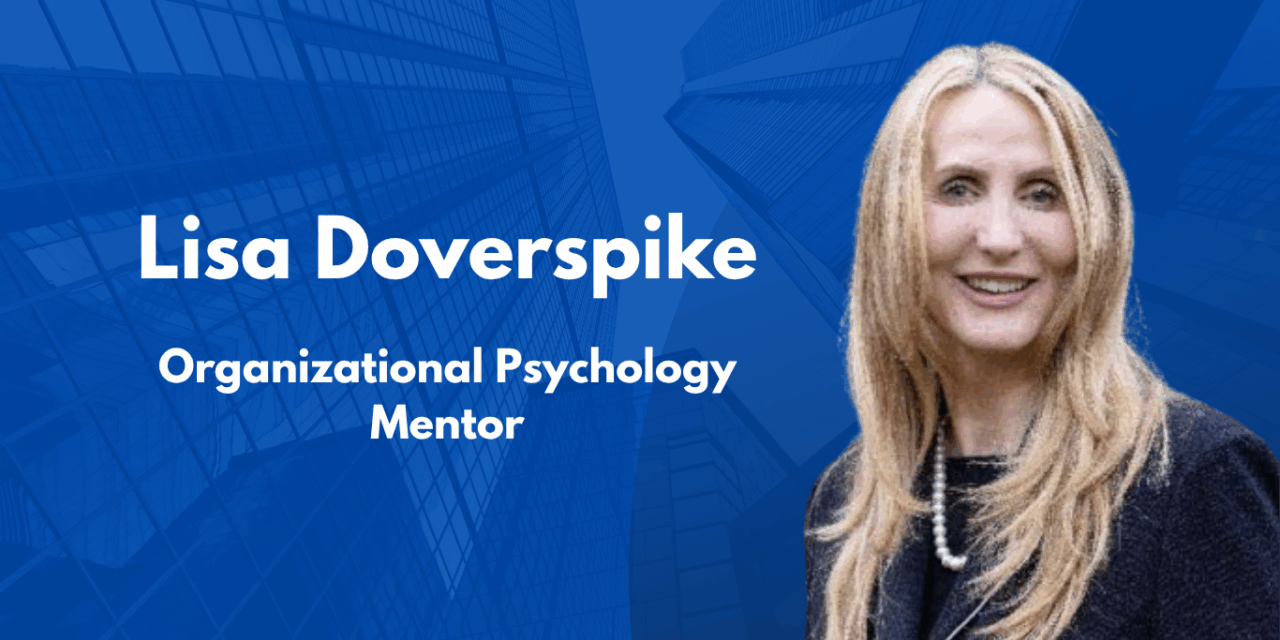
I’ve spent the better part of a decade leading a family enterprise that has grown into a diverse organization spanning technology, real estate, healthcare, entertainment, and philanthropy. My background in Organizational Psychology and Business Taxation has shaped how I approach leadership — combining structure and analysis with a deep focus on people.
What I’ve learned along the way is that growth only matters if it’s built on trust. Success that lifts others lasts the longest. That belief continues to guide how I lead, make decisions, and build teams that work toward something larger than any one of us.
Your leadership approach emphasizes the integration of organizational psychology and mentorship. How has this philosophy shaped the culture and success of the ventures under your leadership?
I’ve always believed that organizations succeed when people feel safe enough to bring their full selves to work. My background in organizational psychology helped me understand how much culture depends on trust — and how easy it is to overlook that when you’re focused on growth.
It is important to me that I create an environment where people feel seen and supported, where questions are welcome and mistakes are treated as learning opportunities. Mentorship plays a big part in that. When people know they’re being developed and not just managed, they grow faster — and so does the organization.
With a portfolio spanning technology, real estate, healthcare, and philanthropy, how do you balance innovation with resilience while navigating shifting markets?
Balancing innovation and resilience is always a dance. You want to stay bold enough to move forward but grounded enough not to lose your footing. For me, diversification isn’t about spreading risk — it’s about creating balance.
I focus on ensuring that each venture strengthens the others in some way. When one area faces headwinds, another often brings new momentum. That kind of ecosystem thinking helps us stay steady through change, but it also keeps us curious and willing to evolve.
You’ve been recognized for your commitment to mentorship. Can you share an example of how you’ve guided an emerging leader through a challenging moment?
There’s one person who comes to mind immediately. Early in their career, they were leading a project that didn’t go as planned. They were frustrated and a little discouraged — I’ve been there myself. We talked through what went wrong, what was in their control, and how to use the experience to get better rather stall.
A few years later, that same person was mentoring others through their own challenges. Seeing that full-circle moment reminded me how powerful it is to give someone space to fail safely — and to believe in them while they’re still finding their footing.
Philanthropy has been a cornerstone of your leadership philosophy. How do you ensure your initiatives remain impactful and aligned with long-term legacy goals?
Philanthropy has always been close to my heart. I try to approach it the same way I approach business — with strategy, empathy, and a long view. The key is to listen first. Communities and causes will tell you what they need if you take the time to hear them.
We focus on wellness, education, and the arts because those areas touch people’s lives in meaningful ways. The goal isn’t just to fund programs, but to strengthen the systems and relationships that make them sustainable.
Your background in Organizational Psychology has clearly influenced your leadership style. How do you apply principles of group dynamics and psychological safety to foster effective teamwork across such a multifaceted organization?
It’s influenced everything about how I lead. I’ve learned that people can’t perform at their best if they’re guarded. Psychological safety isn’t a soft concept — it’s a hard requirement for performance.
We set clear expectations, but we also make it easy to raise a hand when something isn’t working. I tell my team often that transparency builds trust, and trust builds results. It sounds simple, but it’s taken years of consistency to make that part of our DNA.
Rapid growth often tests an organization’s systems and values. Can you describe a time when expansion posed significant challenges, and how you addressed them while maintaining cohesion and integrity?
Growth has a way of testing everything — your systems, your team, and your principles. I remember a period when we were hiring quickly. We ensured that we were focused on hiring for shared values, and asked long-standing team members to act as mentors for the newer ones.
It took intention and consistent communication. In the end, the process made our culture stronger.
Your interests in genealogy, fishing, and scuba diving suggest a deep connection to history, nature, and exploration. How do these personal passions influence your perspective as a leader and decision-maker?
Those interests keep me grounded. Genealogy connects me to the people who came before me — it’s a reminder that leadership is really about stewardship. You don’t own a legacy; you build on it.
Fishing and diving are a different kind of reminder — they’re about patience and presence. When you’re out on the water or under it, you read the environment, adjust constantly, and stay calm no matter what happens.
I enjoy bringing that same mindset to leadership: observing carefully, acting intentionally, and respecting the currents you can’t control.
Key Takeaways
- Leadership rooted in psychology builds stronger, more human organizations.
- Sustainable growth requires both courage and restraint.
- Mentorship creates lasting cultural strength.
- Listening is the first step to meaningful impact.
- Perspective and patience turn leadership into stewardship.
About The Author