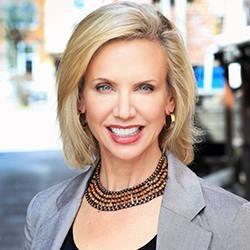
Maryann Misiolek is a real estate investment professional based in Hummelstown and Hershey, Pennsylvania. She is the owner and operator of MarDav Enterprises, a family business she runs with her husband, J. David Misiolek. Since 2001, their work has focused on rehabilitating distressed homes and managing rental properties across Central Pennsylvania. People often compare the results to what you see on home renovation shows, but Maryann has been doing this work long before it became popular.
Her path started with strong roots in discipline and follow-through. She graduated from Lower Dauphin High School in 1995. She earned a Bachelor’s Degree in Industrial Engineering from Lehigh University in 1999 and a Master’s Degree in Management Science in 2000. Over time, she built a reputation for staying consistent, solving problems, and doing hands-on work when it is needed.
Outside of business, Maryann puts that same steady energy into her community. She serves as chairperson of Helping Hands at St. Ann Byzantine Catholic Church in Harrisburg. She also supports the church as a member of its finance council. She has volunteered for years with youth programs, including Lower Dauphin Girls Youth Basketball and school activities.
Maryann’s life shows what happens when someone values trust, preparation, and persistence. She talks about building a strong base early, so you can have more freedom later. She also keeps her focus on what matters most to her: family, community, and doing the right thing, even when no one is watching.
When people hear “property rehab,” they often picture a TV-style reveal. What does the work really feel like for you?
It feels like a long string of small choices. A distressed property is rarely one clean problem. It is a list. Safety first, then the systems, then the parts that make a home livable day to day. My job is to keep the list honest and keep moving. That steady pace is what I find most satisfying, because you can see progress in real time, even when it is not dramatic.
What inspires you to keep doing this year after year?
I am inspired by “before and after,” but not in the flashy way. I like taking something that is neglected and making it solid again. I also like the community side of it. When a place is cared for, it changes how a street feels. It is quieter than people think, but it matters. I also draw energy from the idea of consistency. I have learned that steady work builds real confidence over time.
You studied industrial engineering and management science. How does that show up in your business today?
It shows up in how I organize decisions. I tend to break projects into phases and track what has to happen first. I also think in systems. A home is not just a kitchen or a bathroom. It is plumbing, electric, structure, and flow. I still approach problems the way I did in school: define the issue, gather the facts, choose the best option you can, and then adjust when you learn more.
How do you inspire confidence in an idea, especially when a project feels risky?
I try to make the risk visible and specific. If something is vague, it feels scarier than it needs to be. So I use practical checkpoints. What do we know for sure? What still needs inspection? What is the worst-case repair? What is the “must fix” list versus the “nice to have” list? When you can name the risks clearly, you can plan for them. That planning is what helps people trust the direction.
Where did that steady, hands-on mindset come from?
A big influence was growing up around work that had to be done right. My dad owned M&S Auto Center in Hummelstown, so I was around people who diagnosed problems and fixed them. You learn that you cannot pretend something is fine when it is not. You also learn that pride comes from doing a job well, even when nobody is clapping for it. Sports helped too. Tennis and Tae Kwon Do taught me repetition, focus, and patience.
You also invest a lot of energy in volunteering. How does that connect to what inspires you?
Volunteering keeps me grounded. With Helping Hands at St. Ann Byzantine Catholic Church, the work is about showing up and helping people in practical ways. It is not abstract. It is meals, shelters, and steady support. On the finance council, it is about being careful with resources and looking for cost-saving opportunities. That kind of service reminds me that behind every plan, there are real people affected by it.
You have talked about doing the right thing even when no one is looking. How does that show up in everyday life?
It shows up in the choices that are easy to cut corners on. In property work, it is doing repairs the right way, not just the fast way. In leadership, it is following through on commitments. In community work, it is being dependable. I have found that trust is built in quiet moments. Once you lose it, it is very hard to get back.
What advice do you give to people in their twenties who want success and freedom later?
I tell them not to waste that decade. Time is on your side then. Work hard early, invest early, and build stability early. It is not about comparing yourself to other people. It is about setting yourself up so that in your forties, you can breathe more. For me, my motivation changed as my family grew. I wanted work that supported my life, not work that ruled it.
About The Author