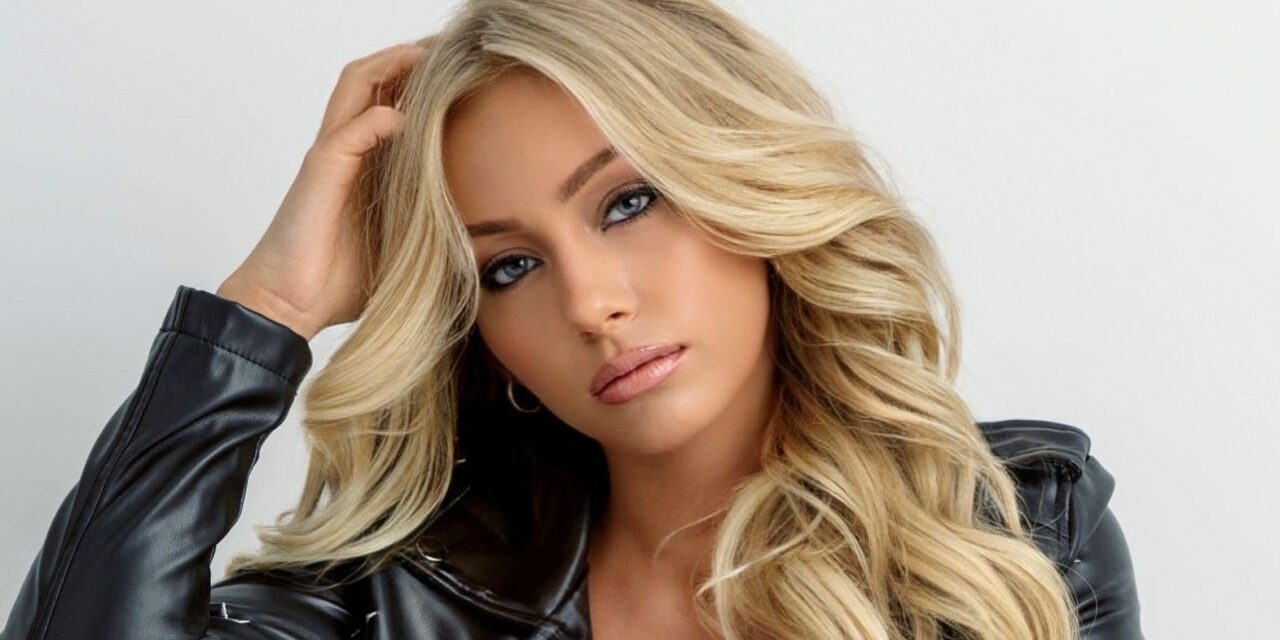
Brooklyn Dylan is a sixteen-year-old recording artist and singer-songwriter from just outside Chicago, known for blending pop, rock, R&B, and indie influences with emotionally honest storytelling. Below is a press-ready Q&A layout featuring seven curated questions that spotlight her origin story, artistry, and trajectory.
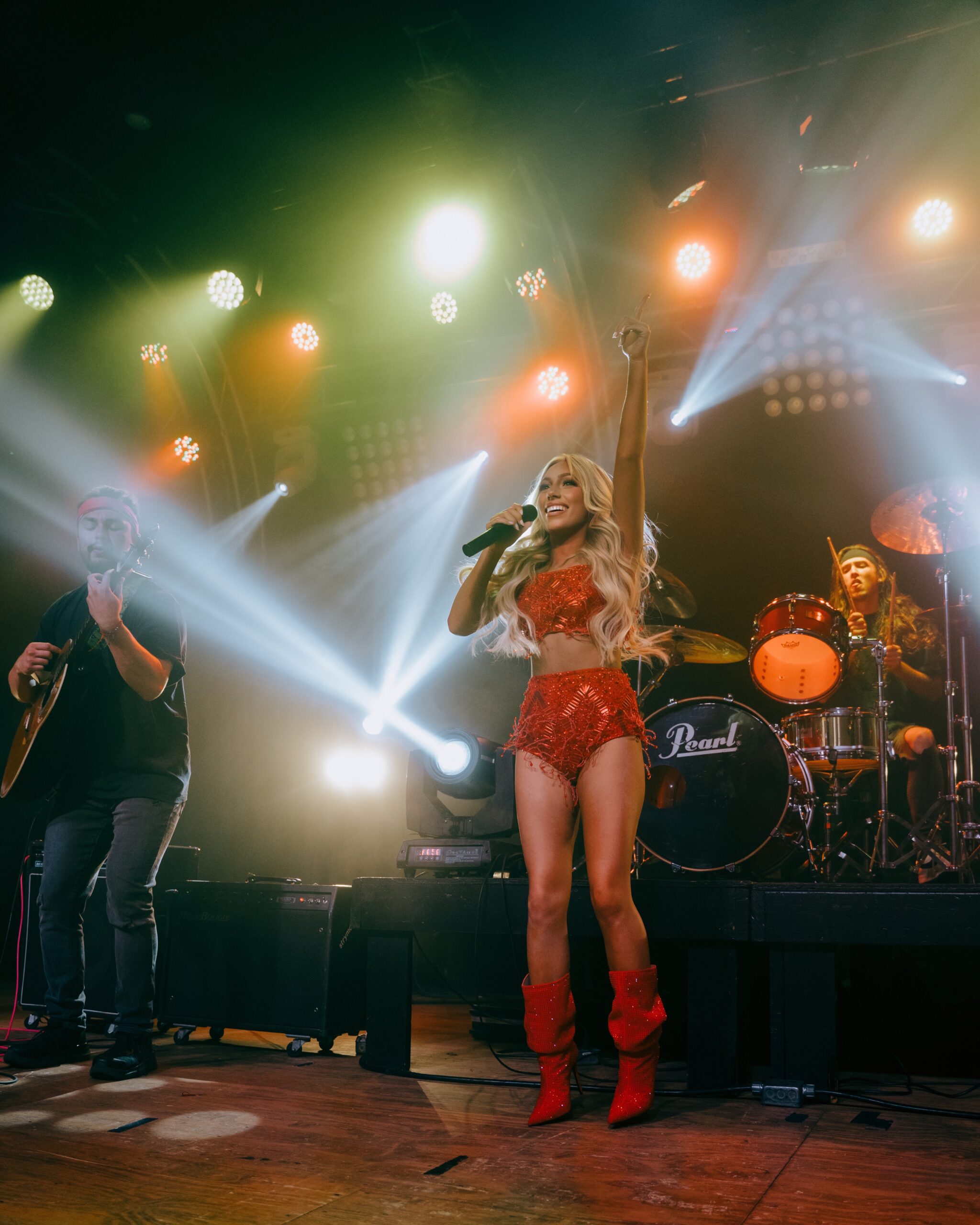
From a small-town kid with a guitar to a rising artist collecting hundreds of thousands of streams, Brooklyn Dylan is quickly becoming a name to watch in the new wave of pop. After losing her home in a house fire at age 11, she turned to music as a lifeline, eventually catching the attention of Grammy-winning producer Josh Monroy, whose credits include work with Justin Bieber, Ludacris, and Elton John. Now, with standout singles like “How The Story Ends,” “Criminal,” and “Bad Blood,” Brooklyn is channeling resilience into bold, hook-heavy anthems that resonate with a fast-growing fanbase on platforms like Spotify, TikTok, and Instagram.
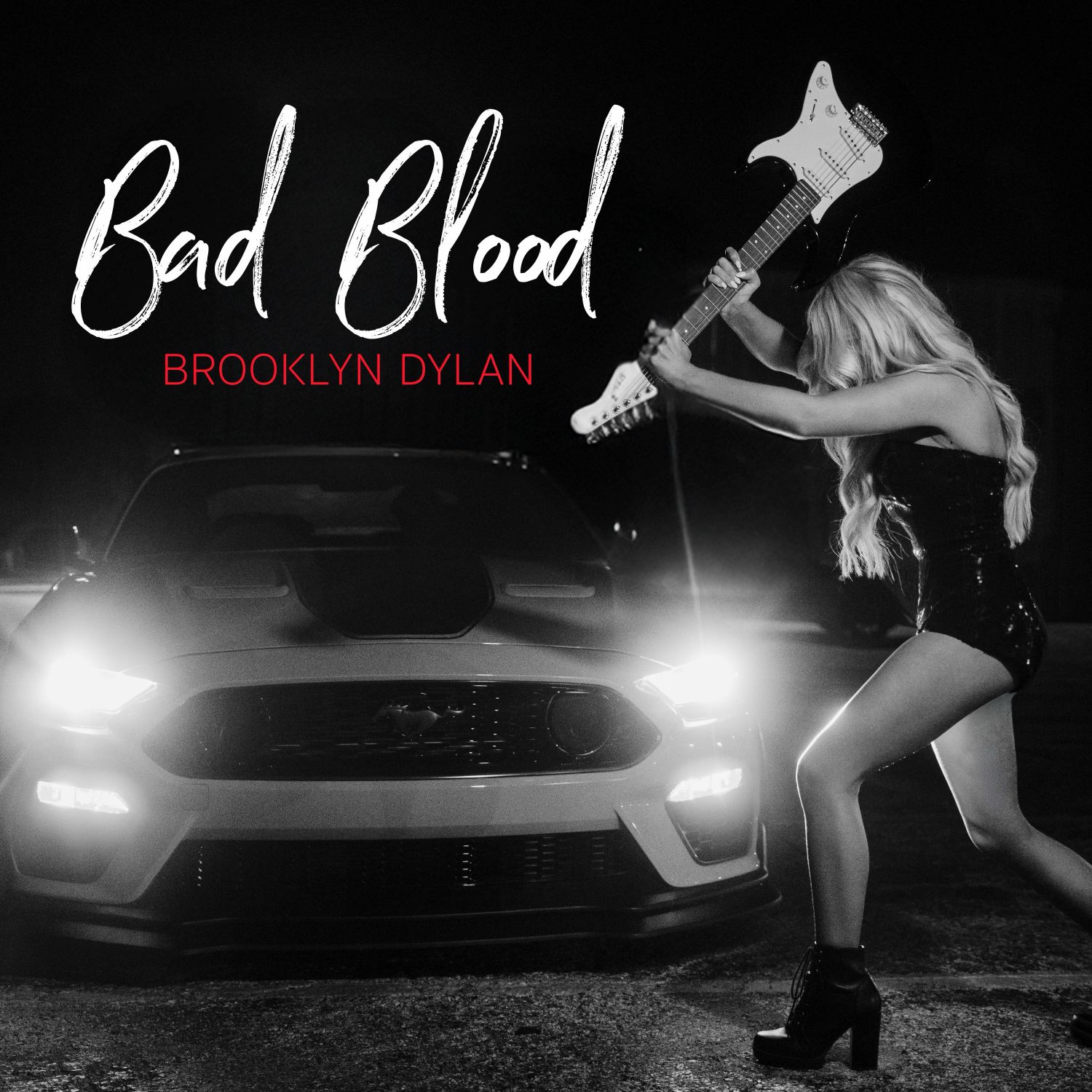
Turning to music after losing your home at 11 — how did that shape you as a songwriter?
Losing my home at 11 forced me to grow up fast, and music became the one place where I could put everything I didn’t know how to say out loud. It was a pivotal moment for me where I learned the power of music. And how music could make me feel something. It could make me laugh, cry, get up and dance and during that period of my life it healed me. I think it’s amazing how you can take something tragic and turn it into beautiful art. I think it gave me a voice that’s really honest. Like, I don’t love writing around the feeling. I like writing straight into it. It also made me obsessed with meaning and details. I’ll remember the smallest things from a moment and build a song from that. When you go through something big that young, you learn how quickly life can change, and I think that’s why my writing always has this urgency to it. Like: say what you mean, while you can.
Discovered by Grammy-winning producer Josh Monroy at 13 — what was that moment like, and how did it change your path?
It didn’t feel real at first. I was 13, and suddenly someone with real credibility was taking me seriously. Not in a “cute, you’re talented” way, but in a “you could actually do this” way. That changed everything. It raised the standard for me early: my writing, my vocals, my work ethic… all of it. It also made me realize this isn’t just a dream you talk about, it’s a craft you train for. I started showing up like it was my job, because it was. I have learned so much from Josh and I am super grateful to have him as a producer and a mentor.
Your sound blends pop, R&B, and indie — how do you define your musical identity today?
I’d describe it as emotionally led pop with bite. Pop is my foundation because I love a hook and I love a big moment, but I’m drawn to rock because of the rhythm and the attitude. There’s a confidence in it I really connect to. And indie influences my writing style: more visual, more specific, sometimes a little darker or more unexpected. I want my music to feel cinematic but still personal…like you can scream it in the car, but you also feel seen when you’re alone.
“Criminal” has bold, confident energy — what inspired it, and what do you want listeners to take away?
“Criminal” came from this mindset of being done apologizing for taking up space. I think people, especially girls, get taught to soften everything. Be sweet, be small, be “easy.” And “Criminal” is the opposite of that. It’s like: I know what I want, I’m not ashamed of it, and I’m not asking permission. I want listeners to feel more fearless after hearing it like they can walk into a room and not shrink. Not arrogance just self-respect. For me Criminal is literally the song that pumps you up while getting ready for a night out. It’s a confidence boost and just a fun song to belt.
Writing alongside a team that’s worked with major artists like Justin Bieber and JoJo — biggest creative takeaway?
The biggest takeaway is that the “magic” is actually discipline. The best writers are insanely intentional: they’ll obsess over one line until it hits emotionally and melodically. I learned to stop settling for “good enough” and push until it’s undeniable. Also, they take the ego out of it. If a line isn’t serving the song, it goes even if you love it. That changed how I write. Now I’m always thinking: what’s the moment? what’s the payoff? what’s the line people will quote?
Your songs balance vulnerability and empowerment — how important is emotional honesty in your lyrics?
It’s everything. If it’s not honest, people can feel it. Even if they can’t explain why, they know when you’re performing a feeling vs. just being surface level. It’s not easy to let yourself be completely raw and share super personal things you are going through with the world, but I do think that’s what makes you connect with other people the most. I am definitely more vulnerable in my writing than I am anywhere else. and I try to write the way I actually talk and think not perfect, not polished, just real. And I think emotional honesty is empowerment. Being able to say, “this hurt,” or “I miss you,” or “I’m proud of myself” without pretending you’re fine… that’s strong. That’s what I want my music to do… let people feel seen and feel powerful.
What can fans expect next, in the studio and on stage?
More music that feels bigger and more fearless, like I’m stepping into my own sound even harder. In the studio I have so many songs I’m like oooooh, this is so good or I can’t wait to blast it in my car. So, I am definitely excited for everyone else to get their ears on them too! And on stage, I want it to feel like an experience: high energy, emotional moments, and songs that make you feel like you’re part of it, not just watching. I feel like my type of music is the type of music fans will really connect with in person and want to jump around and scream the songs live and I am really looking forward to sharing those moments with everyone at the shows.
@brooklyndylan
About The Author