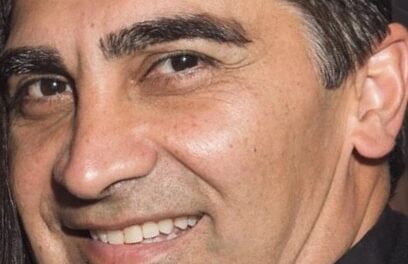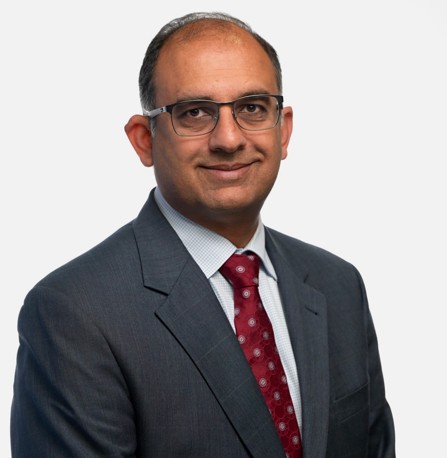
Nirav Pandya’s career has been shaped by steady progress, resilience, and a clear sense of purpose. He grew up watching his father build a life in a new country through hard work and persistence. That example stayed with him and quietly shaped how he approaches leadership, responsibility, and success.
Over the years, Nirav built a reputation as someone who steps into complex situations and brings clarity. As a chief executive and later as a consultant, he has helped teams find focus when resources were limited and pressure was high. Rather than chasing quick wins, he has always emphasised steady improvement, strong systems, and people working well together.
His time leading Orion Technologies marked a defining chapter. He helped grow the company from a small start-up into a nationally recognised business. Along the way, he paid close attention to culture, believing that people do their best work when they feel trusted and supported. That belief followed him into every role that came after.
In 2022, Nirav founded Fulcrum Consulting and Fulcrum Integrated Solutions. His work now centres on helping leaders see what is possible within their existing teams and processes. He is known for listening carefully, asking practical questions, and helping others turn uncertainty into direction.
Outside of business, Nirav Pandya has given his time to community organisations, including years of service with the Orlando Science Center. Whether guiding companies or supporting others, his story reflects quiet determination, thoughtful leadership, and a belief that progress comes from showing up and doing the work, one step at a time.
When people talk about inspiration, it often sounds abstract. What has genuinely inspired you over the course of your life?
For me, inspiration was very concrete growing up. It started with my father. He came to the United States alone in 1971 to build a future for our family. I watched him work long hours, keep his word, and take pride in being prepared. He did not talk much about success, but he lived it through consistency. That showed me early on that progress comes from doing the basics well, day after day.
How did that mindset shape your early career decisions?
It made me comfortable with imperfect conditions. Early in my career, resources were always tight. We did not have the budget, the staff, or the systems we wanted. Instead of waiting for ideal circumstances, I learned to focus on what mattered most. That approach helped me move forward when others felt stuck. It also taught me that confidence is built through action, not certainty.
You have led companies through periods of rapid growth. How do you inspire confidence in ideas when outcomes are uncertain?
I try to ground ideas in reality. When I was leading Orion Technologies, we did not pitch big visions without backing them up. We tied ideas to simple metrics and clear ownership. If someone had a proposal, I would ask how we would test it in small steps. That made people more willing to take risks because the downside felt manageable. Confidence grows when people know they can adjust course without blame.
Was there a moment when taking a risk did not go as planned?
Yes, at ICx Imaging Systems, we launched a programme that missed the mark with customers. We had invested months of effort, and the initial feedback was disappointing. It would have been easy to defend the work. Instead, we paused and went directly back to users. We simplified the product and involved customers in redesigning it. That experience changed how I view failure. It taught me that listening closely can turn a setback into forward momentum.
How do you personally stay inspired during difficult periods?
I break things down. When a challenge feels overwhelming, I focus on the next practical step. I also reflect on past moments when progress felt slow but eventually paid off. Sometimes inspiration comes from small routines. Early morning planning sessions or reviewing progress weekly helps me stay grounded. Momentum, even in small doses, is motivating.
In your current work, how do you see your role in inspiring others?
I see my role as creating clarity. When people understand priorities and expectations, they gain confidence. At Fulcrum, much of my work involves helping leaders see what is already working within their teams. Often, people underestimate their own capability. By highlighting strengths and removing friction, they start believing in their ideas again.
How do you balance encouraging risk-taking with responsibility?
Risk should be thoughtful, not reckless. I encourage teams to test assumptions quickly and cheaply. If something does not work, we learn and move on. That approach reduces fear. People are more willing to speak up when they know mistakes will be treated as data, not failure.
What role has community involvement played in your journey?
Serving on the Orlando Science Center Board reminded me that leadership is not only about results. It is also about stewardship. Working with educators and community leaders gave me perspective beyond quarterly goals. It reinforced the importance of curiosity and learning, especially for younger generations.
Looking back, what do you think helped you get to where you are today?
Consistency and self-awareness. I learned to recognise where I add the most value and where I need others’ strengths. I also learned to listen more than I speak. Progress did not come from one defining moment, but from many small decisions made with intention.
Finally, what advice would you give to someone looking for inspiration in their own path?
Pay attention to what gives you energy. Take responsibility for your growth. Do not wait to feel ready before acting. Confidence is not something you find. It is something you build by showing up and learning as you go.
About The Author