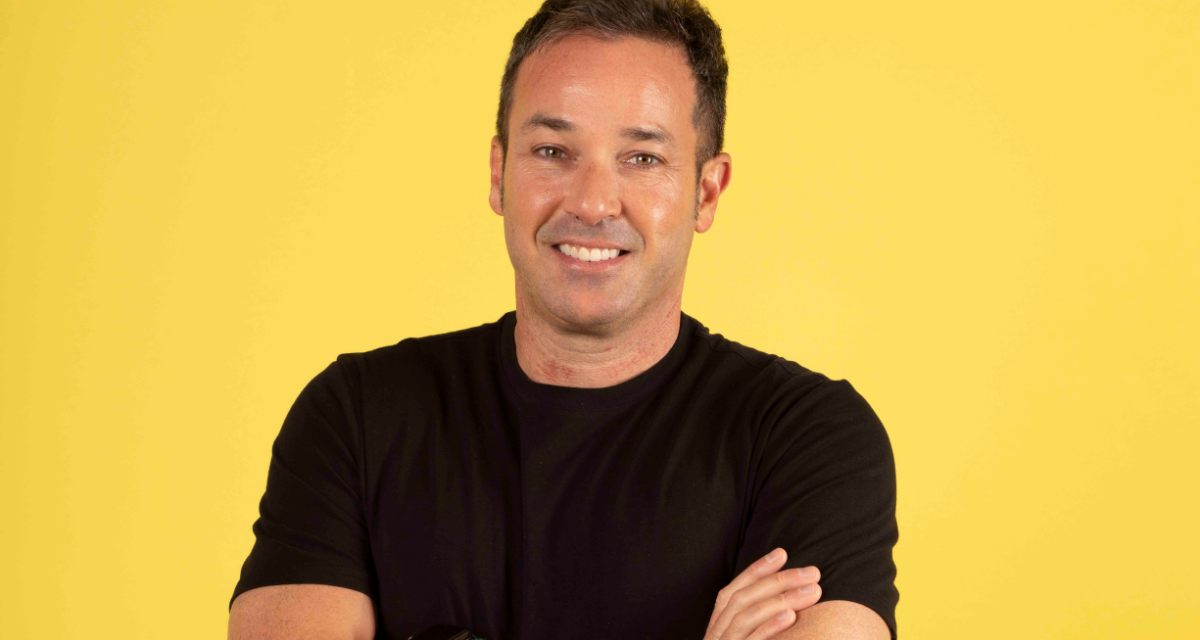
Careers rarely unfold exactly as planned, and Reeve Benaron wouldn’t have it any other way. From investment banking to technology, healthcare, and venture investing, each chapter has been driven by a willingness to explore new ideas and solve meaningful problems. Along the way, he’s built companies, mentored entrepreneurs, and remained focused on creating work that has a lasting impact.
Born in Israel, Reeve moved to Los Angeles with his family when he was nine years old. Starting over in a new country taught him resilience, adaptability, and the importance of seeing the world through different perspectives. Those early experiences shaped the way he approached both business and life.
As a young athlete, he learned that progress rarely happens overnight. Competitive sports and endurance training taught him discipline, patience, and the value of consistent effort. Those lessons continue to influence his leadership today.
Reeve is the co-founder and co-CEO of Intrivo Diagnostics, where he helps develop technology that expands access to healthcare. He also serves as the Founder of AUDIENCEX and supports emerging companies through AX Venture Partners. Across every venture, his focus has remained the same: using innovation to solve real problems and create lasting value.
Beyond his professional work, Reeve is committed to mentoring entrepreneurs and supporting initiatives that improve healthcare access and education. He believes success is measured not only by what a person builds, but by the opportunities they create for others.
Guided by his personal philosophy of courage, clarity, and humanity, Reeve continues to build with the future in mind while encouraging others to do the same.
Your career has taken you across several industries. What ties it all together?
When I look back, I’ve realized the industries were never the main focus. What interested me was solving problems that mattered and working with people who wanted to build something meaningful.
Each experience taught me something different. Finance gave me a strong understanding of business fundamentals. Advertising technology showed me how data could improve decision-making. Healthcare reinforced how important it is to build technology that has a real impact on people’s lives. Those experiences may look very different on paper, but they’ve all shaped the way I think about innovation and leadership.
You moved from Israel to Los Angeles when you were nine years old. How did that experience shape who you are today?
Moving to a new country at nine years old was a big adjustment. Everything was new, from the language and culture to making friends and finding a sense of belonging. Looking back, I don’t think I appreciated how much that experience shaped me at the time.
It taught me to adapt, to stay open to different perspectives, and to become comfortable with change. Those lessons have stayed with me throughout my career because every new opportunity comes with a learning curve, and I’ve never been afraid to embrace that.
Your personal philosophy is courage, clarity, and humanity. What do those words mean to you?
I don’t think about those words as separate ideas anymore. They’ve become the way I try to approach both business and life.
Every important decision involves a balance. You need the courage to move forward when there isn’t a perfect answer. You need the clarity to stay focused on what really matters instead of getting distracted. And you need humanity to remember that every decision affects real people. I’ve found those principles are just as relevant today as they were when I first started my career.
Before becoming an entrepreneur, you worked in investment banking. What lessons stayed with you?
Investment banking gave me a solid understanding of how businesses operate and how leaders make decisions under pressure. It also showed me that every number on a spreadsheet represents something much bigger, whether it’s a team, a customer, or a long-term strategy.
When I eventually started building companies myself, I had a completely different appreciation for everything that happens behind those numbers. That’s where I learned that leadership, culture, and execution are just as important as the business model itself.
You’ve spent your career building companies in fast-changing industries. How do you decide which opportunities are worth pursuing?
I’ve never been interested in chasing trends simply because they’re popular. What matters to me is whether a problem is real and whether solving it can genuinely improve people’s lives.
Every opportunity starts with the same question: Can this create lasting value? If the answer is yes, it’s worth exploring. Technology changes quickly, but the need to solve meaningful problems never really changes.
You have always been passionate about endurance sports. Has that influenced the way you lead?
It definitely has. I’ve spent a lot of time hiking and training for endurance events, and one thing those experiences have taught me is that you can’t control every condition. The weather changes, the terrain changes. Sometimes your plans have to change.
Leadership feels very similar to me. You prepare as thoroughly as you can, but you also learn to stay calm when things don’t go exactly as expected. I’ve found that’s often when your best decisions are made.
You mentor entrepreneurs. What advice do you find yourself giving most often?
I encourage people not to fall in love with their first solution.
A lot of founders become attached to an idea before they’ve spent enough time understanding the problem they’re trying to solve. The best entrepreneurs I’ve worked with are willing to challenge their own assumptions. They listen carefully, gather different perspectives, and aren’t afraid to change direction when the evidence points elsewhere. That’s often the difference between building something interesting and building something people truly need.
Many of the biggest decisions in business have to be made without knowing the outcome. How do you approach those moments?
I’ve come to accept that uncertainty is part of building anything worthwhile. If you wait until every question has been answered, you’ll probably miss the opportunity.
What I’ve learned is to make the best decision I can with the information available at the time. Then I pay attention, stay flexible, and adjust if I need to. I’ve found that progress usually comes from being willing to make thoughtful decisions, not perfect ones.
Outside of business, what helps you stay balanced?
Nature has always helped me reset. I enjoy hiking because it gives me space to think without distractions.
Exercise has a similar effect. It reminds me that consistency matters more than intensity. Whether you’re training for an endurance event or building a company, lasting results usually come from showing up every day.
Philanthropy is an important part of your life. Why has giving back become such a priority?
I can point to several people who invested their time in me without expecting anything in return. They challenged me, encouraged me, and helped me see opportunities I probably wouldn’t have found on my own.
That experience stayed with me. If I can do the same for someone else, whether it’s mentoring an entrepreneur, supporting healthcare innovation, or encouraging a student who’s just getting started, I think that’s one of the most meaningful ways to give back.
Artificial intelligence is changing so many industries. What excites you most about the future?
What excites me isn’t technology for its own sake. It’s seeing technology solve problems that used to seem too complicated or too expensive to tackle.
Whether it’s improving access to healthcare, helping people make better decisions, or giving entrepreneurs tools that simply weren’t available a few years ago, I think the biggest opportunities come from making innovation practical. The technologies that have the greatest impact are usually the ones people don’t have to think about because they fit naturally into everyday life.
Looking back on your career so far, what are you most proud of?
I’m proud that I’ve never felt the need to build the same company twice.
Every venture has taught me something different. Moving from finance into advertising technology, healthcare, and venture investing meant constantly learning new industries and surrounding myself with people who knew more than I did. I’m proud that I’ve stayed willing to keep learning instead of becoming comfortable with what I already know.
What would you like readers to remember from your journey?
I’d like people to remember that meaningful careers are rarely built by following someone else’s blueprint.
Mine certainly wasn’t. Every chapter introduced new challenges, different industries, and opportunities I couldn’t have predicted. What stayed consistent was a willingness to keep learning, surround myself with good people, and focus on solving problems that mattered.
I think purpose has always been a better guide than predictability. If readers take one thing away from my journey, I hope it’s that they don’t have to follow a conventional path to build something meaningful.
About The Author