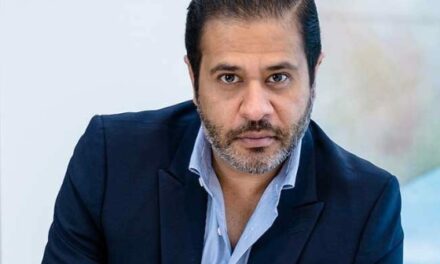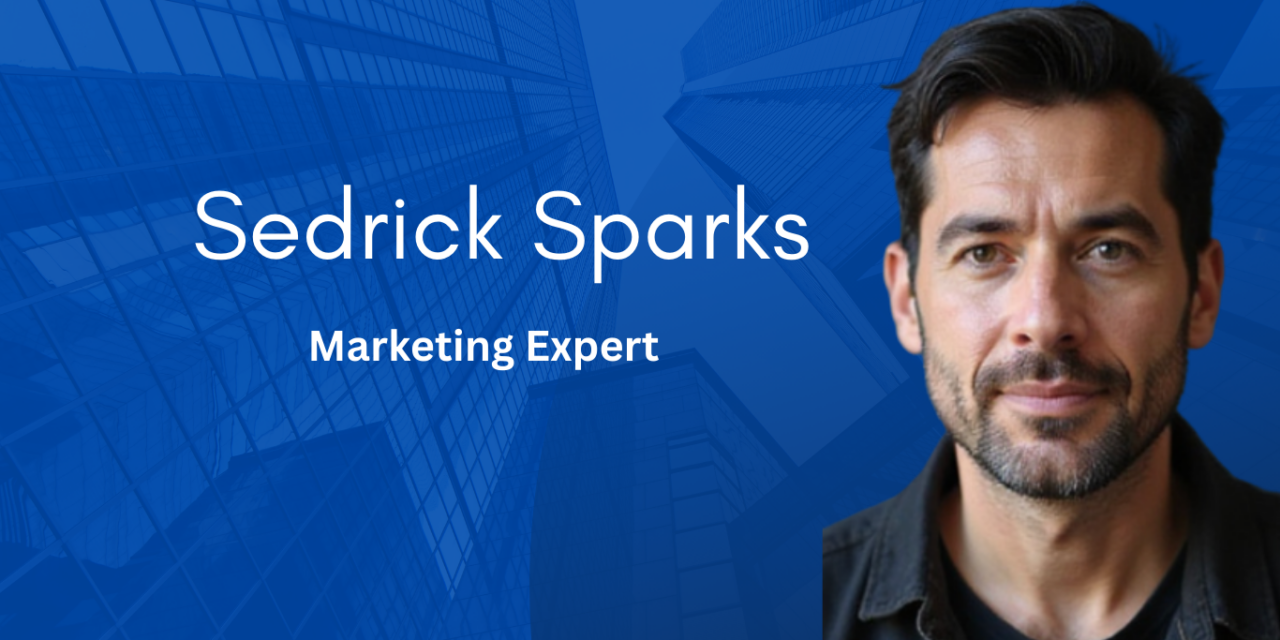
Sedrick Sparks is a seasoned marketing leader and strategist based in Los Angeles, California, known for his disciplined approach, creative insight, and commitment to excellence. Holding an MBA with a major in marketing, Sparks has built a career spanning over a decade, during which he has led high-performing teams in both local and multinational organizations.
He began his journey as an intern at a small marketing firm, where his strong work ethic and attention to detail quickly set him apart. Rising through the ranks, Sparks ultimately served as Chief Marketing Officer, overseeing brand strategy, market expansion, and revenue growth during pivotal moments for the company. He later transitioned to a multinational organization, leading complex marketing initiatives across diverse markets and balancing strategic vision with precise execution. Today, he operates his own consultancy, advising businesses across the United States on strategic marketing, brand development, and go-to-market planning. His firm also serves as a platform for mentoring emerging marketing professionals, helping them launch successful careers.
Outside of work, Sparks enjoys fishing with his family and connecting with the outdoors. He is also dedicated to philanthropy, supporting programs that expand access to education for underprivileged children worldwide. Throughout his career, Sparks has combined strategic insight, hands-on execution, and mentorship, leaving a lasting impact on both the marketing industry and the professionals he guides.
Looking ahead, what major shifts do you believe will define the future of the marketing industry over the next decade, and how are you positioning your consultancy to stay ahead of those changes?
The future of marketing will focus on hyper-personalization, AI-driven insights, and authentic brand storytelling. Consumers expect experiences, not just messages. My consultancy is investing in advanced analytics tools, continuous talent development, and adaptive strategies. We test campaigns in real time, learn fast, and evolve quickly. Brands are expected to stand for something meaningful. We help clients combine technology, creativity, and purpose. This approach ensures relevance and competitiveness. By focusing on strategy, execution, and values, we are prepared for the next decade of change.
Having led both local and multinational marketing teams, what do you see as the biggest difference between domestic and global marketing strategy today, and how will that evolve in the future?
Domestic marketing is about understanding your audience and tailoring messages to cultural nuances. Global marketing adds complexity, including regulations, languages, and diverse consumer behaviors. What works in one market may fail in another. The future will require more integration. Companies must use data to adapt messaging across borders while keeping a consistent brand voice. I build teams that understand both strategy and local execution. Successful brands balance standardization with cultural relevance. Flexibility, insight, and authenticity are the keys to thriving in diverse markets.
In an increasingly crowded and data-driven marketplace, how do you personally maintain a competitive advantage as a marketing leader and consultant?
I maintain a competitive advantage by combining strategy with disciplined execution. I focus on understanding a client’s business and turning data into actionable insights. I continually learn about new technologies, consumer trends, and creative approaches. Relationships are critical. Trust with clients and teams ensures ideas are implemented effectively. I mentor others, which helps me see fresh perspectives. Staying humble and curious allows me to spot opportunities before they become mainstream. This approach gives my consultancy and clients an edge. Discipline, curiosity, and collaboration drive sustained success.
What systems, habits, or disciplines have helped you consistently perform at a high level throughout your career, from intern to Chief Marketing Officer to founder?
Consistency and discipline have been essential. I start each day with clear priorities and measurable goals. I seek feedback and reflect on outcomes from successes and mistakes. Time management is critical. I block time for deep thinking, client work, and mentoring. I stay curious and read about marketing, technology, and business trends. Building strong teams and trusting them is key. I also make time for rest, family, and reflection. Balance keeps me energized. Discipline, curiosity, and reflection are non-negotiable habits that have fueled my career growth.
Every leader faces setbacks. How do you handle failure in high-stakes professional situations, especially when others are depending on your leadership?
I start by acknowledging the failure quickly and taking responsibility where needed. I focus on solutions instead of blame. Analyzing what went wrong helps me identify the next steps. Communication is critical. Keeping the team informed maintains confidence and morale. I document lessons to prevent repeating mistakes. I stay calm and maintain perspective. Failures are temporary if handled thoughtfully. Resilience, transparency, and decisive action turn setbacks into growth. This approach strengthens teams and improves performance. Handling failure well builds trust and prepares the organization for future challenges.
What would you describe as your most catastrophic professional failure, and what specific lessons did that experience teach you about leadership and decision-making?
Early in my career, I led a campaign that failed and caused significant revenue loss. I relied too much on assumptions and did not communicate clearly with my team or client. I learned the importance of testing, stakeholder alignment, and scenario planning. Leadership is not about avoiding mistakes. It is about anticipating risks, owning outcomes, and pivoting strategically. That failure shaped my approach. I now build in checks, seek diverse perspectives, and communicate openly. It reinforced humility, vigilance, and the value of collaboration in decision-making.
When markets shift unexpectedly or campaigns underperform, how do you decide whether to pivot quickly or stay the course?
I rely on data, intuition, and context. If indicators show a strategy isn’t working, I identify the root cause and explore alternatives. I ask whether this is a short-term issue or a fundamental shift. If the evidence points to change, we pivot decisively. If results are improving slowly, we optimize while staying the course. Flexibility is important, but so is patience. Balancing speed with strategic thinking ensures that decisions are deliberate. Calculated pivots consistently outperform reactive moves. Experience teaches that thoughtful adjustments lead to better outcomes.
For someone just starting out in marketing today, what skills or mindset do you believe are absolutely essential for long-term success?
Curiosity, adaptability, and resilience are essential. Marketing evolves quickly, so continuous learning is critical. Analytical skills matter, but so does creativity, particularly the ability to tell stories that resonate. Networking and building relationships open doors and accelerate growth. Discipline and consistency are vital. Delivering results, meeting deadlines, and building trust set strong foundations. Mistakes will happen, but learning from them accelerates growth. I advise young marketers to embrace challenges, stay humble, and focus on both skill and character development. These qualities ensure long-term success in any marketing career.
You’ve built a reputation for mentoring emerging professionals. Why is mentorship important to you, and what qualities do you look for in young marketers you choose to guide?
Mentorship allows me to give back while learning from fresh perspectives. Marketing is about people as much as strategy. Helping others develop skills is deeply rewarding. I look for curiosity, initiative, and humility. I value those who ask questions, take feedback seriously, and take ownership. Resilience, creativity, and a growth mindset matter. Mentorship benefits both sides. Guiding others refines my thinking. Seeing mentees succeed validates my efforts. Supporting talent is as impactful as running campaigns or driving revenue. Mentorship shapes the industry’s future and builds stronger professionals.
Beyond business success, what legacy do you hope to leave in the marketing industry and in the lives of the professionals you’ve trained?
I hope to be remembered for elevating people and ideas. Success is not just campaigns or revenue, but the careers launched and skills developed. I want to create a culture of curiosity, integrity, and resilience. Young marketers should feel empowered to innovate and lead. Through mentorship, I hope to inspire others to combine strategy with human-centered leadership. I want my legacy to focus on meaningful impact. Helping individuals grow, communities benefit, and the industry improve matters most. I hope to leave behind a smarter, ethical, and more creative marketing industry.
About The Author