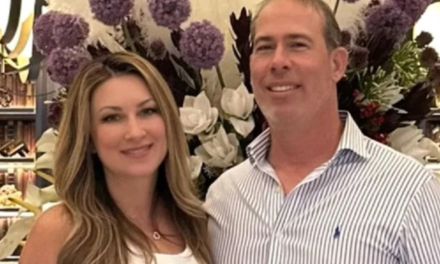
Wendy Gregg received her bachelor’s and master’s in social work at State University of New York Stonybrook University. Wendy also holds a Master of Business Administration with a concentration in Healthcare Management from Dowling College and is a future PHD candidate.
Wendy works full-time as an executive leader currently at an Assisted Living organization serving the senior and adult population. Wendy has over 25 years of experience both in private and public sectors working in varies roles in setting such as Skilled Nursing, Hospital, Adult Care Facilities and held positions in operations, managerial, and administrative leadership. Her areas of specialization are mental health, geriatric, healthcare disparities, and policy.
In addition to her executive role, Wendy has used her wealth of experience as a Program Development Specialist within the Adult Home/Assisted Living/Healthcare industry to guide and expand the non-institutional community-based program to enable at risk individuals to live in their communities with supported services as independent as possible.
Her major initiatives have included implementing expansion programs in Assisted Living Housing sector and making it affordable for the underserved by integrating the Medicaid Funded Assisted Living Program in the private Assisted Living model. She is passionate and committed to improving the quality of life of people with mental health conditions and socioeconomic challenges.
Wendy has collaborated with local government leaders and legislators to promote industry priorities and looks forward to continuing to advocate for positive systemic changes. She is an active Member of Empire State Assisted Living Association and American College of Healthcare Executives. Her personal interests include spending time with family, traveling and reading.
Your career spans more than two decades across social work, healthcare administration, and executive leadership. What first drew you to this field, and what has kept you committed over the years?
My interest in healthcare and social services began with a desire to understand how systems impact real lives. Early in my career, I saw how policy decisions, access gaps, and operational failures directly affected seniors and individuals with mental health needs. That awareness shaped my commitment to this work. What has kept me engaged is the constant intersection of people and systems. Every role I have held has reinforced the importance of leadership that balances compliance with compassion. Healthcare is not static. Regulations evolve, populations change, and needs become more complex. Staying committed means staying adaptable, listening closely to the communities served, and never losing sight of why these systems exist in the first place.
How has your background in social work influenced the way you lead healthcare organizations today?
Social work shaped the lens through which I view leadership. It taught me to assess situations holistically, to understand environmental, emotional, and social factors alongside operational realities. As an executive, I apply that mindset daily. When I evaluate programs or policies, I ask how decisions will affect residents, staff, and families, not just metrics or budgets. Social work also instilled strong advocacy skills. It trained me to speak up for underserved populations and to navigate complex systems effectively. That foundation allows me to lead with empathy while still maintaining accountability, structure, and performance expectations within highly regulated healthcare environments.
You have worked across skilled nursing, hospitals, adult care facilities, and assisted living. What lessons have been transferred across these settings?
Each setting operates differently, but the core challenges remain consistent. Staffing stability, regulatory compliance, financial sustainability, and quality outcomes are universal concerns. Working across these environments taught me the value of adaptability and cross-functional thinking. It also reinforced that leadership cannot rely on one-size-fits-all solutions. What works in a hospital setting may fail in assisted living if leadership does not adjust to resident autonomy and community-based care models. These experiences sharpened my ability to build flexible systems, support interdisciplinary teams, and implement policies that reflect the realities of each care environment.
Mental health and geriatric care are central to your work. Why do these areas require stronger leadership focus today?
The senior population continues to grow, and mental health needs within that population are often underrecognized and underserved. Many older adults live with complex behavioral health conditions layered on chronic medical issues. Systems are often unprepared to address both effectively. Strong leadership is necessary to close those gaps. This includes training staff, designing supportive care models, and advocating for policies that recognize mental health as integral to overall well-being. Without intentional leadership, these populations risk falling through cracks created by fragmented systems. Addressing this requires experience, persistence, and collaboration across sectors.
You have played a key role in integrating Medicaid-funded assisted living into private models. Why is this work so important?
Affordable assisted living remains out of reach for many individuals who need supportive housing but do not require institutional care. Integrating Medicaid-funded programs into private assisted living models expands access while preserving dignity and independence. This work matters because it creates alternatives to unnecessary institutionalization. It allows individuals to remain in community-based settings with appropriate support. Successfully implementing these programs requires careful planning, regulatory expertise, and collaboration with state agencies. When done correctly, these models benefit residents, providers, and the broader healthcare system by improving outcomes and managing costs responsibly.
What challenges do organizations face when implementing Medicaid-funded assisted living programs, and how can they overcome them?
Organizations often struggle with regulatory complexity, reimbursement limitations, and operational alignment. Medicaid programs require strict compliance, detailed documentation, and ongoing oversight. Providers may also face misconceptions about financial viability. Overcoming these challenges starts with education and planning. Leadership must understand policy requirements, invest in compliance infrastructure, and align staffing models with program goals. Transparent communication with stakeholders and state agencies also plays a critical role. When organizations commit to doing the work thoughtfully, these programs become sustainable and impactful rather than burdensome.
You also mentor emerging healthcare administrators. What gaps do you see in leadership development today?
Many new administrators enter leadership roles with strong technical knowledge but limited preparation for decision-making under pressure. Healthcare leadership demands ethical judgment, emotional intelligence, and regulatory fluency. I see a gap in mentorship that addresses these realities. Emerging leaders need guidance on navigating compliance while managing teams and maintaining resident-centered care. Mentorship helps bridge theory and practice. It creates space for reflection, accountability, and growth. Investing in leadership development strengthens organizations and ensures continuity in an increasingly complex healthcare landscape.
Policy and advocacy are recurring themes in your work. How do you approach collaboration with government and legislators?
Effective advocacy begins with credibility and preparation. I approach policy work by understanding the regulatory landscape and clearly articulating how proposed changes affect providers and residents. Collaboration requires building trust with government leaders and demonstrating a commitment to shared goals. I focus on practical solutions grounded in operational experience. Serving on committees and engaging in industry associations allows me to contribute informed perspectives that support sustainable policy decisions. Advocacy works best when it remains focused on outcomes rather than politics.
Community-based care has been a major focus throughout your career. Why does this model matter for long-term sustainability?
Community-based care supports independence, preserves dignity, and often delivers better outcomes at lower costs. It aligns with the preferences of individuals who want to remain connected to their communities. Sustainability comes from designing programs that meet people where they are rather than forcing them into institutional settings prematurely. These models require strong coordination, funding alignment, and accountability. When implemented well, community-based care strengthens families, reduces system strain, and supports aging with purpose rather than isolation.
Looking ahead, what changes do you believe are most critical for the future of senior living and healthcare management?
The future demands integrated care models, stronger leadership pipelines, and policies that prioritize access and equity. Technology will continue to play a role, but leadership must ensure it enhances rather than replaces human connection. Workforce development also requires urgent attention, as staffing challenges impact quality across the sector. Most importantly, decision-makers must center the lived experiences of seniors and underserved populations. Sustainable progress depends on aligning policy, practice, and purpose in ways that serve both individuals and communities.
About The Author