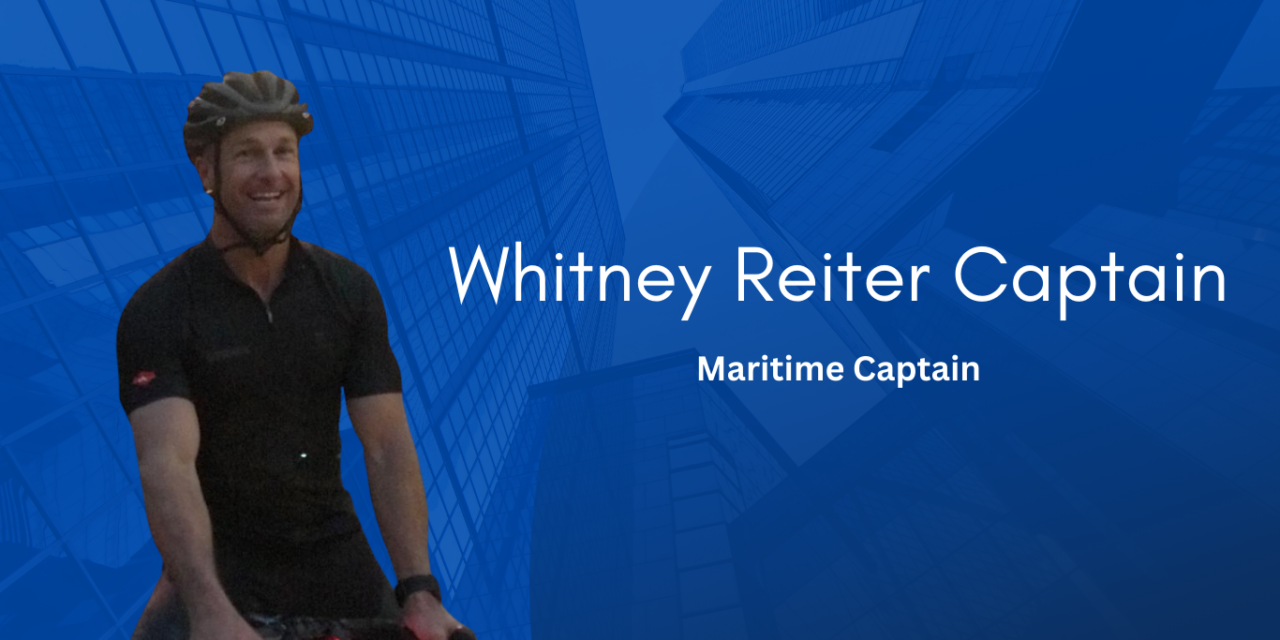
Whitney Reiter Captain is a seasoned maritime captain and lifelong outdoorsman whose leadership on the water reflects more than two decades of experience, discipline, and dedication. Born and raised in Miami, he spent 36 years in South Florida before his career took him around the world. A graduate of the University of Florida, he built his reputation through hard work, consistent performance, and an unwavering commitment to safety and excellence.
Whitney holds a 1600/3000 Ton All Oceans Master license and has managed some of the most active yachts and programs in the industry. His career includes leading crews, overseeing multimillion-dollar budgets, navigating global waters, and running high-demand itineraries for owners who fish, dive, and travel extensively. Today, he continues to captain and manage major operations while currently spending time in Mexico aboard the yacht Next Chapter.
His life off the water is just as driven. Whitney is an avid fitness enthusiast who trains daily, often beginning his mornings at 6 a.m. in the gym to set the tone for a productive day. He competes in tennis, plays pickleball, and enjoys hunting and fishing. In January, he will step into a Hyrox competition alongside his daughter, a moment that reflects both his competitive edge and his dedication to family.
Whitney’s personal philosophy centers on action, learning, and persistence. He believes that ideas only matter when backed by effort, and he applies that mentality to every project he takes on. When challenges arise, he resets, focuses, and moves forward with clarity. His straightforward approach, strong work ethic, and deep respect for the ocean continue to define his career and the high-performing teams he leads.
You’ve spent decades at sea in demanding leadership roles. What do you think people misunderstand most about what it actually takes to captain at the highest level?
Most people see the surface of the job and assume it is about travel, luxury, or status. What they do not see is the constant responsibility that never really shuts off. As a captain, you are responsible for safety, operations, budgets, schedules, crew wellbeing, and owner expectations all at the same time. You make decisions daily that carry real consequences. It takes discipline, emotional control, and preparation long before problems show up. The job rewards consistency more than charisma. You earn trust through follow through, clear standards, and the ability to stay calm when pressure is high. That part rarely makes the highlight reel, but it defines the role.
Growing up in Miami and spending so much time around the ocean, how did those early years shape the leader you became?
Miami shaped my relationship with the water from an early age. Being around boats, weather, and changing conditions teaches you respect quickly. The ocean does not care about your plans or your ego. That lesson stayed with me. Growing up there also meant learning independence early. You had to be aware, adaptable, and willing to learn by doing. Those experiences translated directly into leadership later on. I learned to prepare thoroughly, observe constantly, and never assume conditions will stay the same. That mindset carries into how I lead teams today. I expect awareness, accountability, and respect for the environment we work in every day.
You hold a 1600 and 3000 Ton All Oceans Master license. What did earning that level of certification teach you beyond technical skill?
The licensing process teaches patience and humility as much as knowledge. You cannot rush experience. You earn it mile by mile, situation by situation. Studying for those licenses reinforced the importance of fundamentals and repetition. It also reminded me that no matter how experienced you become, there is always more to learn. The ocean constantly presents new variables. Holding those licenses is not about authority. It is about responsibility. You are trusted to operate safely in complex environments. That mindset carries into leadership. You never stop preparing, and you never stop respecting the scope of what you are responsible for.
You have managed high-demand programs with owners who fish, dive, and travel extensively. How do you balance owner expectations with crew wellbeing?
Balance starts with communication and planning. Owners have expectations, and it is my responsibility to deliver safely and professionally. At the same time, crews are human. They perform best when they feel supported and respected. I build schedules that are demanding but realistic. I make sure expectations are clear so there are no surprises. I also stay involved day to day so issues do not build quietly. When crews feel heard and prepared, performance improves naturally. Leadership is not about pushing people endlessly. It is about setting standards, providing structure, and giving teams the tools they need to succeed without burning out.
Fitness plays a major role in your daily routine. How does physical training influence your leadership at sea?
Physical training keeps me mentally sharp. When you train consistently, you learn how to manage discomfort, fatigue, and stress without letting it control your decisions. That translates directly to leadership. At sea, pressure is constant. Fitness helps me stay focused, patient, and composed when things get busy. It also reinforces discipline. Showing up every morning at 6 a.m. builds consistency. I often train alongside crew members, which strengthens morale and connection. It shows that standards apply to everyone. Fitness is not about image for me. It is a tool that supports clarity, resilience, and steady leadership.
You are preparing for a Hyrox competition with your daughter. What does that experience represent to you beyond athletics?
Training for Hyrox with my daughter represents shared commitment and values. It is about showing up together, setting goals, and following through. Competing alongside her allows me to model discipline, persistence, and accountability in real time. It is not about winning. It is about preparation and effort. Balancing fatherhood with a demanding career is not easy, but moments like this matter. They reinforce that growth does not stop because life is busy. Training together creates space for connection while pushing personal limits. That mindset carries into how I lead professionally. You grow through action, not intention alone.
Crew culture is something you prioritize. Why do small things like shared workouts or pickleball matter in high-pressure environments?
Small things build trust. When people train, exercise, or play together, barriers come down. Introducing pickleball and group workouts gives crews an outlet that is healthy and inclusive. It helps relieve stress and builds connection outside formal roles. In high-pressure environments, relationships matter. When teams trust each other, communication improves and mistakes decrease. I believe leaders should participate, not just observe. When crews see you investing alongside them, it reinforces shared standards. Culture is built through daily actions, not speeches. Those moments strengthen morale and ultimately improve performance when it matters most.
You have navigated global waters and complex itineraries. How do you make critical decisions when conditions change quickly?
Decision-making starts long before conditions change. Preparation creates options. I rely on planning, experience, and clear communication. When things shift, I slow the moment down mentally. I assess risk, gather input, and prioritize safety first. Panic never improves outcomes. Confidence comes from preparation and repetition. I also trust my team. Leadership is not about having every answer alone. It is about creating an environment where information flows quickly and honestly. When decisions are made, I own them. Accountability builds trust. Even difficult calls become clearer when safety and integrity guide the process.
Your philosophy emphasizes action over ideas. How has that mindset shaped your career path?
Ideas are meaningless without execution. That belief shaped how I approached every opportunity. I focused on showing up, learning, and delivering consistently. When challenges appeared, I did not dwell on setbacks. I reset, adjusted, and moved forward. That approach builds momentum. People notice reliability. Careers are built on follow through, not intention. Action creates experience, and experience builds confidence. I encourage crews and young professionals to focus on effort they can control. Progress comes from consistent work, not shortcuts. That mindset helped me earn trust over time and navigate a demanding industry successfully.
Looking ahead, how do you define success at this stage of your career and life?
Success now means sustainability. It means leading well, staying prepared, and continuing to grow without losing balance. Professionally, it is about maintaining high standards, mentoring others, and running safe, efficient operations. Personally, it means staying healthy, present with family, and grounded. The ocean teaches humility. No matter how experienced you are, there is always more to learn. I measure success by consistency, integrity, and impact on the people I work with. If teams perform well, stay safe, and grow together, that is success. Titles matter less than the legacy you build daily.
About The Author