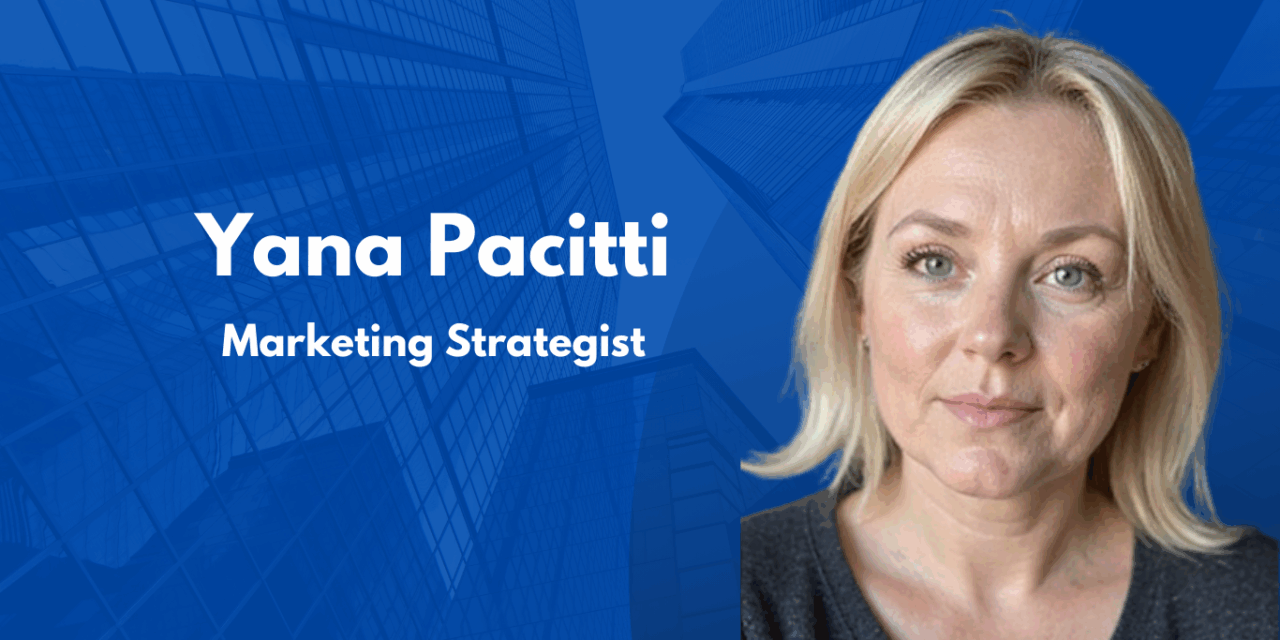
Yana Pacitti is a marketing strategist with more than a decade of experience helping brands excel in the digital age. She has collaborated with startups, established companies, and global enterprises to design campaigns that combine data-driven insights with creative storytelling. Known for her strategic focus and innovative approach, Yana has built a reputation for turning complex market challenges into clear, results-oriented solutions that drive growth and strengthen brand presence.
Throughout her career, Yana has led initiatives across industries including fashion, luxury, lifestyle, and technology. She is recognized for guiding businesses in defining their unique voice, deepening audience engagement, and building long-term brand value. Her ability to bridge analytical rigor with imaginative strategy has made her a trusted advisor to clients seeking to navigate competitive markets and create campaigns that deliver measurable impact.
Growing up in Miami, how did your environment influence your career in marketing?
Miami’s entrepreneurial spirit and cultural diversity had a huge impact on me. Growing up surrounded by so many different perspectives, languages, and traditions gave me a deep appreciation for storytelling and authenticity. I learned early on that no single approach works for every audience, and that diversity in thought and experience is an asset in business. This shaped my marketing philosophy: always listen first, adapt strategies to cultural context, and ensure that campaigns resonate across backgrounds. The energy of Miami continues to inspire my work, reminding me that creativity and community go hand in hand.
What motivated you to pursue a master’s degree in marketing and communication?
I wanted to deepen my understanding of not only marketing theory but also the psychology behind communication. To me, marketing isn’t just about selling, rather it’s about connecting, solving problems, and creating meaningful relationships between brands and people. A master’s degree gave me the academic foundation to complement my real-world experiences and helped me bridge data-driven insights with creative execution. That combination proved invaluable as I started working with both startups and established corporations. It gave me the confidence to bring innovative solutions to clients, backed by solid knowledge of market dynamics and consumer behavior.
How do you balance creativity with measurable business growth in your campaigns?
I believe creativity without results is just art, and numbers without creativity can fall flat. The balance comes from starting with clear business objectives and then asking, “How can we achieve this in a way that captures attention and builds trust?” I use consumer insights and market research as the foundation, then layer on storytelling and design that emotionally resonates. At every stage, I measure performance through engagement rates, conversions, and ROI. This ensures campaigns aren’t just beautiful but also effective. For me, the magic lies in making the creative process accountable to business goals.
What industries have you found most exciting to work in, and why?
I’ve been fortunate to work across fashion, luxury, lifestyle, and technology, and each industry excites me for different reasons. Fashion and luxury brands offer opportunities to craft aspirational narratives that connect deeply with identity and self-expression. Lifestyle marketing allows creativity in building communities and shared experiences. Technology excites me because it pushes boundaries and constantly challenges how we reach consumers. I love blending these worlds and bringing the elegance of luxury storytelling into tech campaigns or using lifestyle-driven strategies to humanize complex innovations. The variety keeps me learning, adapting, and finding new ways to connect with audiences.
How do you help brands discover their authentic voice?
It starts with listening. Too often, companies focus on what they want to say rather than what their audience needs to hear. I begin by diving into a brand’s history, values, and aspirations while also analyzing consumer expectations and market trends. Authentic voice emerges at the intersection of these elements. From there, we refine tone, style, and messaging that feel natural to the brand and relatable to the audience. My role is to act as a translator by turning internal values and vision into external communications that are consistent, credible, and emotionally engaging across all platforms.
What role does mentorship play in your professional journey?
Mentorship has been central to my growth, and it’s something I take seriously in giving back. I’ve been fortunate to have mentors who guided me through challenges, encouraged me to take risks, and helped me refine my leadership style. Today, I mentor young professionals because I believe knowledge-sharing accelerates growth not just for individuals but for the entire industry. It’s rewarding to see mentees gain confidence, land opportunities, and bring fresh ideas into marketing. Mentorship creates a cycle of collaboration and innovation, ensuring that the next generation of marketers feels supported, empowered, and ready to shape the future.
How do you stay current in an industry that changes so rapidly?
I approach learning as a constant process. I stay active in professional communities, attend conferences, and regularly speak at events, which exposes me to new perspectives and emerging trends. Writing for industry publications also keeps me sharp because it requires me to articulate insights clearly. Beyond that, I pay close attention to consumer behavior—how people use technology, engage with brands, and shift preferences. Tools and platforms evolve, but the underlying psychology often stays the same. By marrying timeless principles with new techniques, I ensure my strategies are both relevant today and adaptable for tomorrow.
What has been the biggest challenge you’ve faced in your career, and how did you overcome it?
One of the biggest challenges has been helping companies embrace long-term brand building when short-term results dominate their focus. Many organizations want instant wins, but sustainable growth requires patience and consistency. I overcame this by reframing the conversation by showing clients that strong branding actually enhances short-term performance by improving trust, engagement, and loyalty. By presenting data alongside creative strategies, I’ve been able to bridge that gap. Ultimately, the challenge reinforced my belief that effective marketing is a balance of immediate performance and enduring storytelling, not one or the other.
What advice would you give to startups looking to establish themselves in crowded markets?
Start by defining what makes you unique not just in terms of product features but in values, purpose, and personality. Too many startups try to compete on noise rather than clarity. I always recommend narrowing focus: identify a specific audience, speak directly to them, and build a loyal community before scaling. Consistency in voice, visuals, and values builds trust over time. And finally, be adaptable. Markets shift quickly, and startups that stay agile while holding onto their core identity are the ones that succeed. Growth doesn’t come from being everything to everyone, but from being authentic.
What excites you most about the future of marketing?
What excites me most is the growing emphasis on authenticity and purpose. Consumers today expect more than products, they want brands that reflect their values, support communities, and act responsibly. Technology will continue to evolve, but I believe the future of marketing lies in blending innovation with humanity. Whether through immersive digital experiences, AI-powered insights, or hyper-personalized storytelling, the core will remain the same: meaningful connections. I’m excited to help shape that future, ensuring brands use these tools not just for growth, but for creating lasting, positive impact in the world.
About The Author