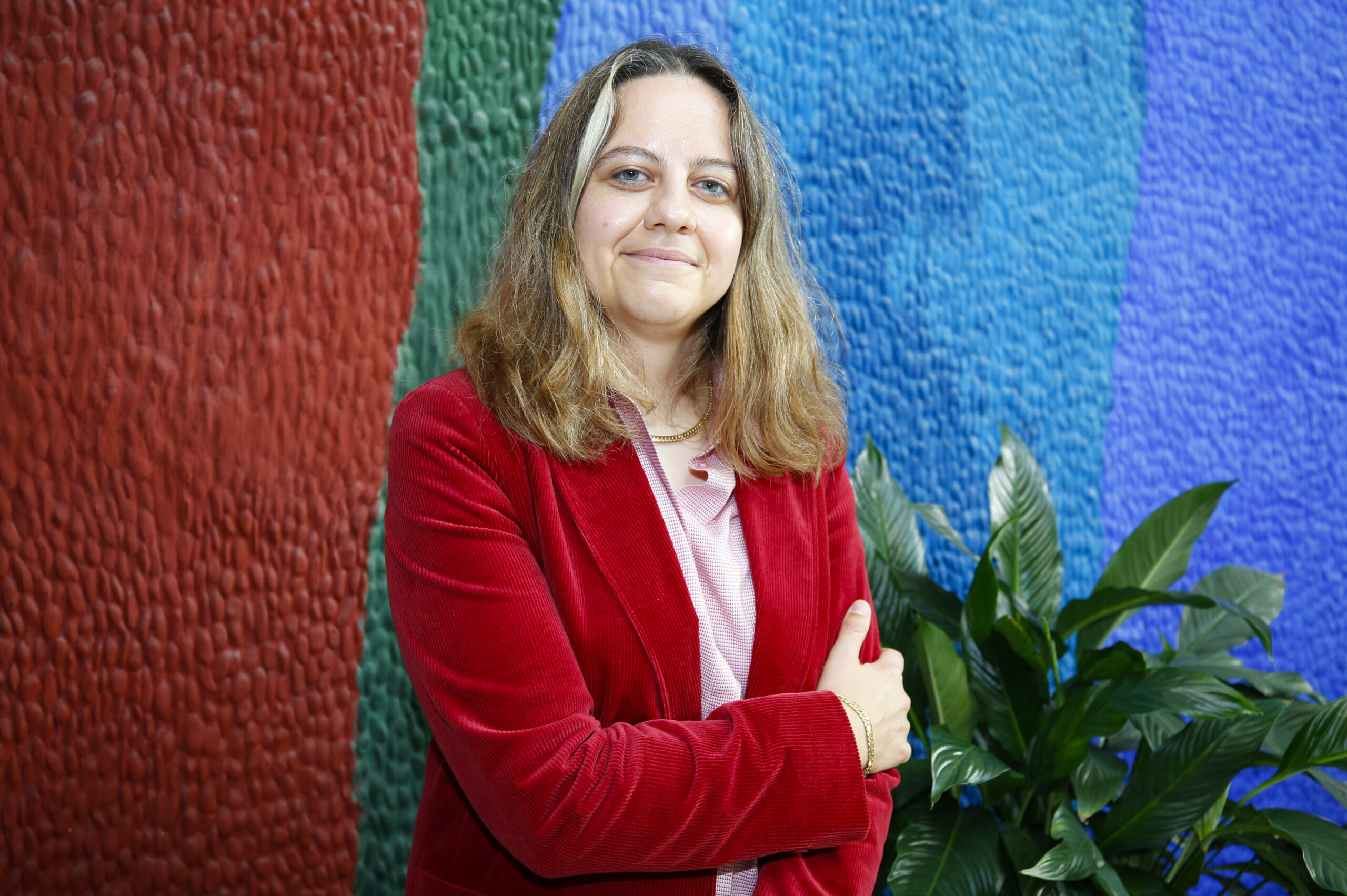
German-American filmmaker Christina Rose is the co-founder of MirrorWater Entertainment (MWE), a global film development and production company she launched with her brother Michael Rose. MWE maintains its representation in Los Angeles, California and Bethesda, Maryland, and specializes in feature films, TV shows, and documentaries for a variety of platforms.
MWE is a family-run business working in collaboration with handpicked producers that care about more than just the bottom line. By fostering growth and development, honesty, fairness and by pushing each other to our creative limits, MWE believes in delivering content that is passionate, entertaining, educational, and real. By bringing together innovative voices and fresh talent to nurture the heart and soul of the story, MWE abides by the 3 E’s: Entertainment, Education, & Enlightenment.
MWE’s completed works include the documentary Walking Points, a film about cancer detection dogs, followed up by the sequel Cancer Free Recipe, a documentary about the cure for cancer through food. The documentary series Empowered – Women Shaping the Future has gone on to win top prize in Cannes and is currently in distribution. The company is currently developing the fictional TV series Isolation, alongside Morgan Gendel, Peter Nelson, and David Cormican for the Welsh broadcaster S4C.
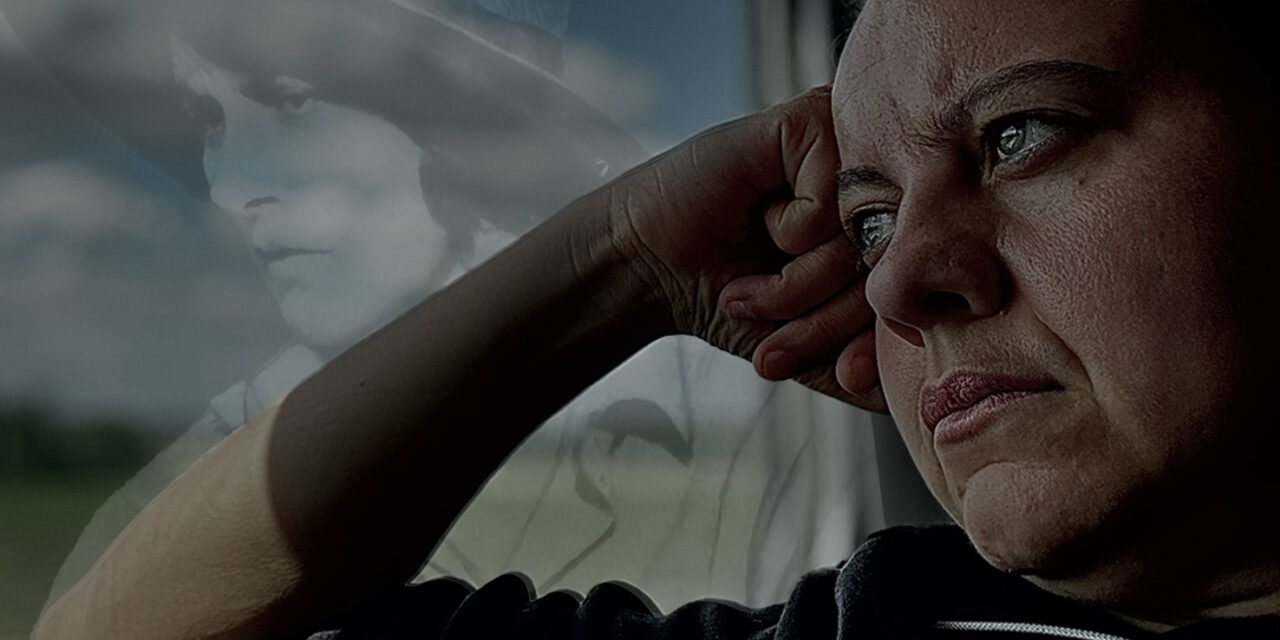
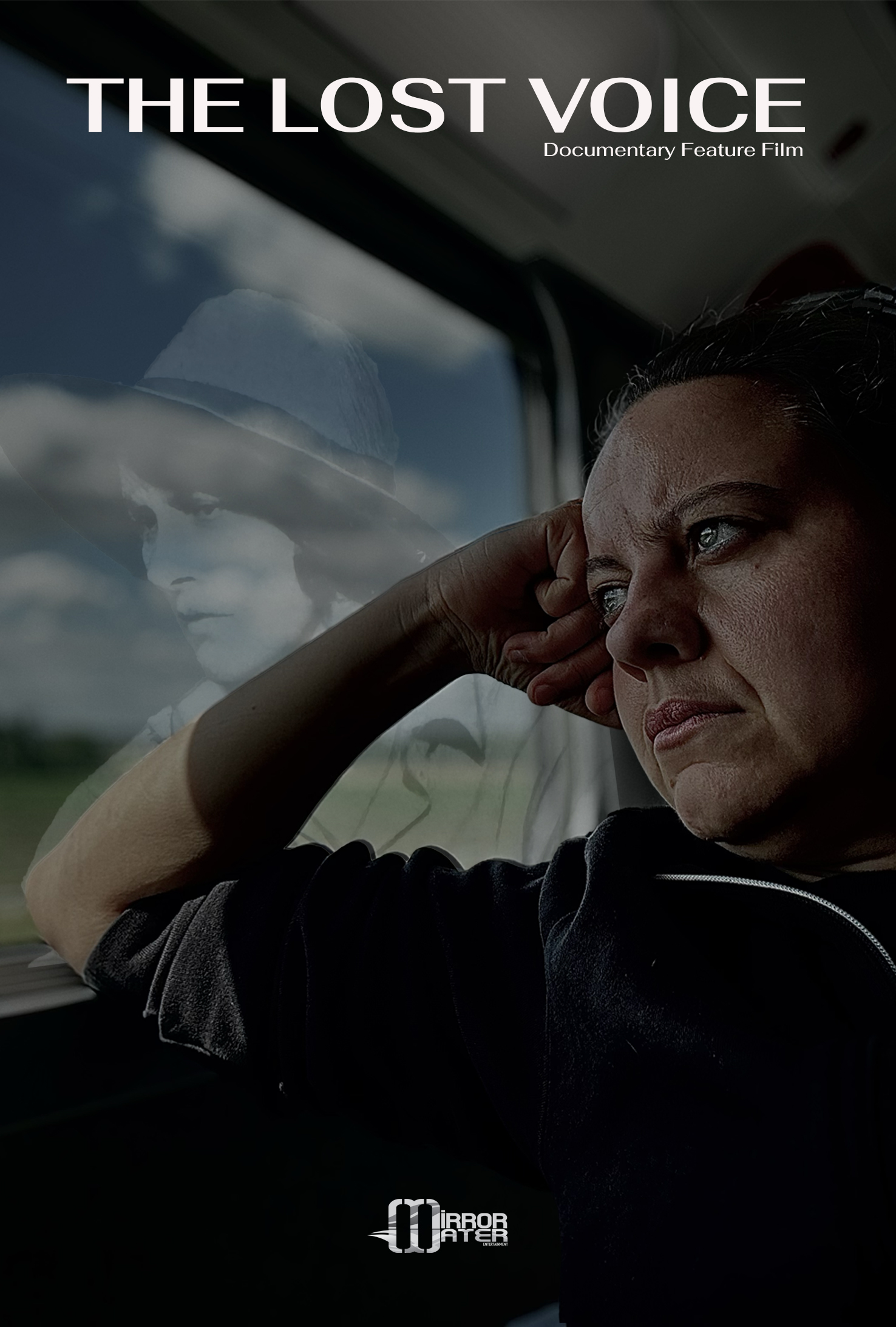
In late April of this year, MWE began production on The Lost Voice, the much-anticipated documentary about the first woman believed to have ever filmed in the Amazon. The story follows Christina, who obsessively searches to find out who her great-grand aunt Pola Brückner (Pola Bauer-Adamara) was and why her career abruptly ended after a film expedition into the Amazon forest in 1929.
We had a chance to catch up with Christina to learn more about this extraordinary project.
What first inspired you to embark on the journey of uncovering your great-grand aunt Pola Brückner’s story and legacy?
During the pandemic, I came across the book about Pola again by chance. It was a book of much curiosity and mystery. I had always wanted to read it, but it’s written in an old German font type that is difficult for me to read. While having a bit more extra time on my hand, my mother ended up reading passages from it. In that moment, I knew I wanted to do a documentary about this. However, I was in the middle of finishing our documentary series Empowered, which is why I had set it aside at first. Then, in 2023, a family friend transcribed the entire book for me and so the birth of this project began.
As you delved into Pola’s life and career, what was the most surprising or moving discovery you made about her work in the Amazon?
I had always believed that Pola was the wife of the filmmaker August Brückner. So, learning that she was a filmmaker herself really brought it home for me. While there are still many unanswered questions that we are hoping to discover, the fact remains that she was part of a film expedition and may be the first woman to ever film in the Amazon. That to me is quite astonishing. We are still trying to prove this, but I’ve been working with a great team to understand the complexity of this film expedition and discover the truth.
The film explores both Pola’s abrupt career end and your own personal struggles as a filmmaker. How did investigating her story impact your own creative process and personal growth?
I think coming to terms with the difficulties that Pola faced back then certainly made me realize what progress we’ve made in the film industry. Yet, we are still far away from equality and work is to be done to get there. That being said, this story feels really special to me. I struggled for a long time to find ways of how I would tell this story but the moment I held up a mirror to myself, I realized I needed to challenge myself in ways I had never done before. It’s been a transformative experience, and I think after telling this story, I’ll never be the same again.
Given the historical significance, what challenges did you face in verifying that Pola was the first woman to film in the Amazon?
We haven’t yet been able to verify this yet. We are still searching for exact clues and proof that Pola indeed was the first women to film in the Amazon. There might be other female filmmakers we still don’t know about that were in the Amazon before Pola. We are also hoping to still locate the film she completed. We know there were two different versions made and while we have the one, Die Grüne Hölle that is associated to the Eichhorn Brothers, who were part of the expedition as well, we haven’t found what we believe is the original version called Urwaldsymphonie: Die Grüne Hölle. We know the two versions are different because we were able to find censorship cards in which a summary description of the whole film is recorded. Finding and watching the film will tell us the complete story however, so hopefully, we will be able to find it.
How does The Lost Voice contribute to the recognition of women’s roles in early cinema, particularly in Germany and Brazil?
Our goal with this documentary is to shed light on a female filmmaker who’s been lost in our time. Had she been a prolific filmmaker? No. Was she a successful filmmaker? Well, no, obviously nobody’s heard of her. But what she’s accomplished is quite amazing and we are trying to tell her story and make sure it’s not forgotten in history.
What parallels do you see between the obstacles Pola faced in her era and those encountered by women filmmakers today?
In one way, there have been improvements and there are more opportunities for women today. There’s no question about that. I believe we see that across society in general. At the same time, one of the reasons I can personally relate to Pola’s story is because I have had similar experiences of discrimination in my career. Now, I have to realize that this is a very personal perspective and experience that I am talking about. There are a lot of women out there who are doing amazing things and are a true inspiration. Is it my failure to not have reached that same level of success? Maybe. Is society or the film industry at fault? I’d probably say no because at the end of the day, I control my own destiny. I’ve made mistakes along the way, and I can only do my best and learn from my failure and be a better storyteller, filmmaker, woman – that’s what I try to achieve every single day.
As CEO and co-founder of MirrorWater Entertainment, how does this personal project fit into your broader vision for the company and your approach to international storytelling? What do you hope audiences—especially young women—take away from Pola’s story and your journey to bring it to light?
The reason why The Lost Voice fits into our vision is because it’s a story that will fulfill our main mission of the three E’s: Entertainment, Educational, Enlightening. I do believe there’s an element of entertainment value as we search for the truth of who Pola was and what happened during the film expedition. I believe it’s educational because we are telling a story that’s never been told, and we hope the audience learns something about themselves or the world we live in. The hardest part is fulfilling the enlightenment aspect of our mission, but I can assure you that we’ve gone very deep in hitting an emotional and universal theme. Is it a very personal and unique story – no question about it but we strongly believe it hits on a deep level that people from all over the world can relate too, and that’s finding one’s purpose in life. That’s truly at the heart of this story.
Looking back, is there a particular moment during production that crystallized the importance of telling this story, both for your family and for cinema history?
Yes. We were interviewing a number of experts from Belém to help us understand the history of the region, the history of Marajó where Pola filmed, and also tracing Pola’s footsteps in the Amazon. All these people had never heard of Pola or were familiar with the film expedition in that respect. But it was our research that led them to uncovering and discovering so much about their own local history. We ended up finding the train tracks that Pola describes in the book that people from the region never knew existed. It has led to new research projects being initiated as we speak. Furthermore, I talked to a historian from Marajó, and he was moved to tears in learning about us and how we are tracing a part of history that has so far gone untold. I never expected this, and it has moved me to the core.
About The Author