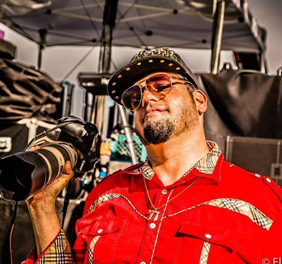
Based in the creative hub of Boulder, Colorado, Scott Klumb has established himself as a dynamic force in the world of filmmaking, with expertise spanning documentary and action sports genres. Since founding SMK Media in 2012, Klumb has consistently delivered compelling content that combines technical mastery with powerful storytelling. His work with industry leaders like ESPN demonstrates his talent for creating visually stunning and emotionally engaging films. Klumb’s dedication to storytelling is deeply connected to his advocacy for autism representation. Diagnosed with autism later in life, he draws from personal experience to create impactful documentaries such as Autism: One Man’s Journey and Autism Ability. These films have earned international recognition, receiving festival selections around the globe and accolades like the Warner Entertainment Best Editor Award.
In addition to his work in autism advocacy, Klumb has made significant contributions to action sports filmmaking, capturing adrenaline-fueled moments with precision and artistry. Beyond film, his ventures into photography, podcasting, and live streaming further cement his reputation as a versatile and innovative storyteller. Through his multifaceted career, Scott Klumb continues to inspire audiences and peers alike, using his unique perspective to elevate the art of filmmaking and amplify important narratives. With his deep experience behind the camera, Klumb offers valuable insight into the cinematography techniques that bring documentary stories to life.
Cinematography is a key element of documentary filmmaking, serving as the heartbeat and eye of the story. Cinematography shapes how the audience views the story, and filmmakers use various techniques to achieve it, such as camera movement, focus, and composition.
Filmmakers use camera movement, camera angles, and lens selection techniques to influence what captures the attention of audiences. It also influences their emotions and level of intimacy with the subject. Unlike scripted productions that involve meticulously planned scenes, documentary productions require quick thinking and adaptability. They must respond to events in real time, deciding whether to follow or capture a subject with immediacy, give room for reflection, or shift focus to capture more subtle emotional cues.
Camera movement influences how an audience connects to a story. For instance, handheld shots with organic movements and slight shakes typically create a sense of urgency and authenticity, allowing viewers to see themselves in the unfolding moment. Conversely, stabilized shots convey calmness and precision during formal interviews or reflective sequences where the focus remains on the subject’s expression and words.
Manipulating depth of field is another key cinematographic technique. It guides the audience’s attention and shapes the emotional tone of scenes within the documentary. A shallow depth of field that only keeps the subject in deep focus with a slightly blurred background creates a sense of intimacy. This technique usually draws the audience’s attention to the subject’s gestures, emotions, and expressions. It is also useful in moments of vulnerability or personal reflection, where isolating the subject helps the audience to feel an immediate and personal connection.
On the other hand, deep focus makes the environment surrounding the subject clear, especially in observational storytelling, where the space around a subject holds as much meaning as the subject itself. By giving equal clarity to foreground and background, deep focus invites the audience to explore the scene in its entirety, discovering details that contribute to a fuller picture of the story.
Thoughtful composition further shapes how a documentary communicates meaning. Techniques such as the rule of thirds, leading lines, negative space, and natural framing guide the viewer’s eye toward what matters most while subtly influencing mood and tone. Camera angles also become part of this storytelling language. A high-angle shot can suggest vulnerability or smallness, while a low-angle shot can convey authority, confidence, or strength. These choices are often subtle, yet they reinforce the emotional undertones of a scene without relying on dialogue, helping the audience feel the intended weight of the moment.
Lighting in documentaries serves the narrative. Natural lighting maintains authenticity and preserves the genuine texture of a scene. Shooting during golden hour can wrap subjects in a warm, inviting glow, while an overcast sky offers soft, diffuse light that flatters faces and minimizes harsh shadows. In interviews, thoughtful placement of key, fill, and backlights illuminates the subjects with care, presenting them respectfully and naturally rather than staged. By allowing light to complement rather than dominate, filmmakers create an atmosphere that feels both intentional and true to life.
About The Author