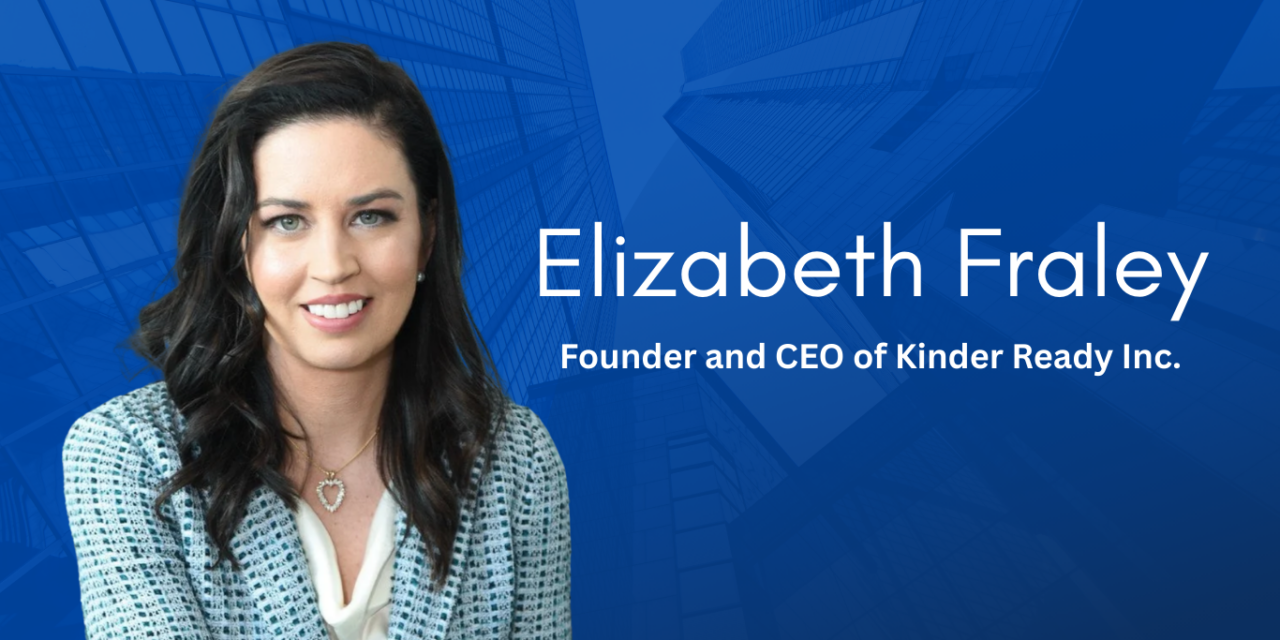
Elizabeth Fraley is the Founder and CEO of Kinder Ready, Inc., a premier Los Angeles–based education company dedicated to empowering children through early learning. With more than a decade of hands-on experience in early childhood education, Elizabeth has become a trusted name among families seeking academic readiness and developmental support for preschool through sixth grade. Kinder Ready provides specialized classes, assessments, private school preparation, and parent consultations designed to help children thrive both academically and emotionally.
Before launching Kinder Ready, Elizabeth served as a director of an early elementary program, where she gained firsthand insight into how individualized instruction could transform a child’s learning journey. That experience inspired her to create Kinder Ready—an environment where structured learning meets creativity, and where every child receives a customized educational plan.
Elizabeth’s expertise has been recognized widely. Her work has been featured in TIME Magazine, Forbes, The Los Angeles Times, The Hollywood Reporter, CBS Local, and SF Gate. She has been a guest on Hallmark’s Home & Family and contributes regularly to HuffPost as an education expert. Elizabeth’s practical advice for parents also appears in Dan Bova’s Popular Mechanics book, offering strategies for supporting children’s learning at home.
Named Educator of the Year by Los Angeles County, Elizabeth continues to be an advocate for early intervention and personalized learning. Her teaching philosophy combines structure, compassion, and innovation, guiding children toward academic confidence and lifelong curiosity. Through Kinder Ready, she continues to make a lasting difference in the lives of students and their families.
What first inspired you to dedicate your career to early childhood education, and how did that path lead to Kinder Ready?
My interest in early childhood education began with a simple observation that stayed with me throughout my career. I saw how quickly children form beliefs about themselves as learners. Those early moments can either build confidence or quietly chip away at it. While serving as the director of an early elementary program, I worked closely with children who were bright and capable but struggled because instruction did not always meet them where they were. That experience reshaped how I thought about learning. I realized that early intervention and personalization could completely change a child’s trajectory. Kinder Ready grew out of that realization. I wanted to create an environment where children feel supported, challenged appropriately, and understood. The goal was never just academics. It was about helping children feel confident in who they are as learners.
Kinder Ready has become a trusted name for families. What do you believe truly sets your approach apart in early education?
What sets Kinder Ready apart is the belief that learning should feel empowering, not overwhelming. Every child comes with their own strengths, challenges, and pace of development, and instruction should reflect that reality. I focus on individualized learning plans that grow alongside the child rather than forcing progress through rigid benchmarks. Families often tell me they appreciate how intentional and thoughtful the process feels. There is a strong emphasis on clarity, communication, and consistency. Parents understand what their child is working on and why it matters. Children gain confidence because lessons feel achievable and meaningful. I also believe that education should nurture curiosity. When children feel safe to ask questions and explore ideas, learning becomes something they enjoy instead of something they fear.
You often emphasize confidence as a foundation for learning. Why is confidence so critical in early education?
Confidence influences how children approach every academic challenge they encounter. A confident child is more willing to try, more open to feedback, and more resilient when something feels difficult. In early education, confidence develops through consistent experiences of success and support. When children feel seen and understood, they begin to trust themselves. I design instruction so children can experience progress regularly, even in small ways. Those moments add up. Over time, confidence becomes internalized, and children begin to approach learning with curiosity rather than hesitation. I have seen children completely shift their mindset when they realize they are capable. That shift impacts not only academics but also how they navigate new situations, relationships, and expectations both inside and outside of school.
How does your experience as a director of an early elementary program continue to influence your work today?
That experience shaped everything I do. As a director, I had the opportunity to observe children across a wide range of learning styles and needs. I saw how standardized approaches often overlooked individual differences. Some children needed more time, others needed a different explanation, and many needed reassurance before they could fully engage. Those insights continue to guide my work at Kinder Ready. I approach each child as an individual rather than a checklist of skills. That background also helped me understand the importance of partnering with families. When parents feel informed and involved, children benefit. The experience reinforced my belief that education works best when it is thoughtful, flexible, and rooted in understanding the whole child.
Kinder Ready supports children academically and emotionally. How do you balance structure with creativity in your teaching philosophy?
Structure and creativity are not opposites. They complement each other when used intentionally. Structure provides clarity and predictability, which helps children feel secure. Creativity keeps learning engaging and meaningful. I design lessons that follow a clear framework while allowing room for exploration and expression. Children know what is expected, but they also feel free to ask questions, make connections, and think independently. This balance helps children stay focused without feeling restricted. It also supports emotional development by teaching children how to approach challenges thoughtfully. When structure and creativity work together, learning becomes both effective and enjoyable. That balance allows children to develop skills while maintaining curiosity and motivation.
Your work has been featured in major national outlets. How has that recognition shaped your perspective as an educator?
Media recognition has been both humbling and affirming. It has reinforced that families across the country are searching for thoughtful, personalized approaches to education. While visibility brings opportunities to share ideas on a larger platform, it has also deepened my sense of responsibility. I remain grounded in the work itself. The real impact happens in day-to-day interactions with children and families. Being featured in national outlets has encouraged me to continue advocating for early intervention and individualized learning. It has also allowed me to reach parents who may feel uncertain or overwhelmed. My goal has always been to offer clarity, reassurance, and practical guidance that families can trust.
What role do parents play in a child’s educational success, and how do you support families through Kinder Ready?
Parents are essential partners in a child’s education. When families understand how their child learns, they can reinforce progress beyond instructional sessions. I work closely with parents through consultations that focus on communication, planning, and realistic expectations. I help families understand developmental milestones and provide strategies they can use at home. This partnership creates consistency and reduces stress for both children and parents. I also encourage families to plan ahead and stay curious about their child’s interests. Education should feel collaborative rather than confusing. When parents feel confident in their role, children benefit from a more supportive and connected learning environment.
Early intervention is a theme throughout your work. Why do you believe starting early makes such a difference?
Early learning years shape how children see themselves as learners. When support begins early, children develop strong foundations that carry them forward. Early intervention allows challenges to be addressed before they become barriers. It also helps children build positive associations with learning. When children feel capable from the beginning, they approach new experiences with openness and confidence. I have seen how small adjustments early on can lead to significant growth later. Starting early does not mean rushing children. It means meeting them where they are and guiding them thoughtfully. That approach sets the tone for long-term academic success and emotional well-being.
You were named Educator of the Year by Los Angeles County. What did that recognition mean to you personally?
Receiving that recognition was deeply meaningful because it reflected the impact of work that is very personal to me. Education is not just a profession for me. It is a commitment to children and families. The award acknowledged the value of personalized learning and early intervention, which reinforced my belief in the work I do every day. It also reminded me that thoughtful education can make a lasting difference. While the recognition was an honor, it also motivated me to continue refining my approach and expanding access to quality early learning support. It affirmed that focusing on the individual child truly matters.
Looking ahead, what is your vision for the future of Kinder Ready and early education as a whole?
My vision for Kinder Ready centers on continued growth rooted in purpose rather than scale. I want to expand resources and opportunities for families while maintaining a personalized approach. For early education more broadly, I hope to see a shift toward individualized learning models that prioritize confidence and curiosity. Education should adapt to children, not the other way around. I believe the future of early education lies in thoughtful instruction, strong family partnerships, and a deep respect for how children learn. Through Kinder Ready, I remain committed to helping children develop the skills and mindset they need to thrive now and in the years ahead.
About The Author