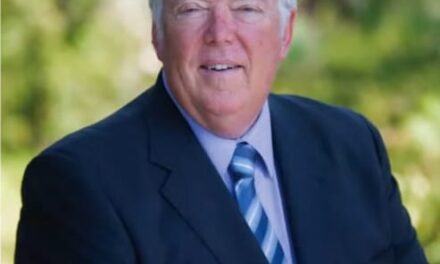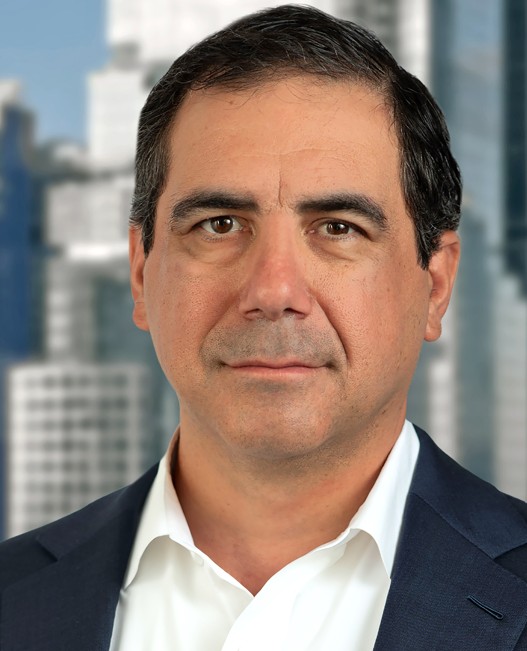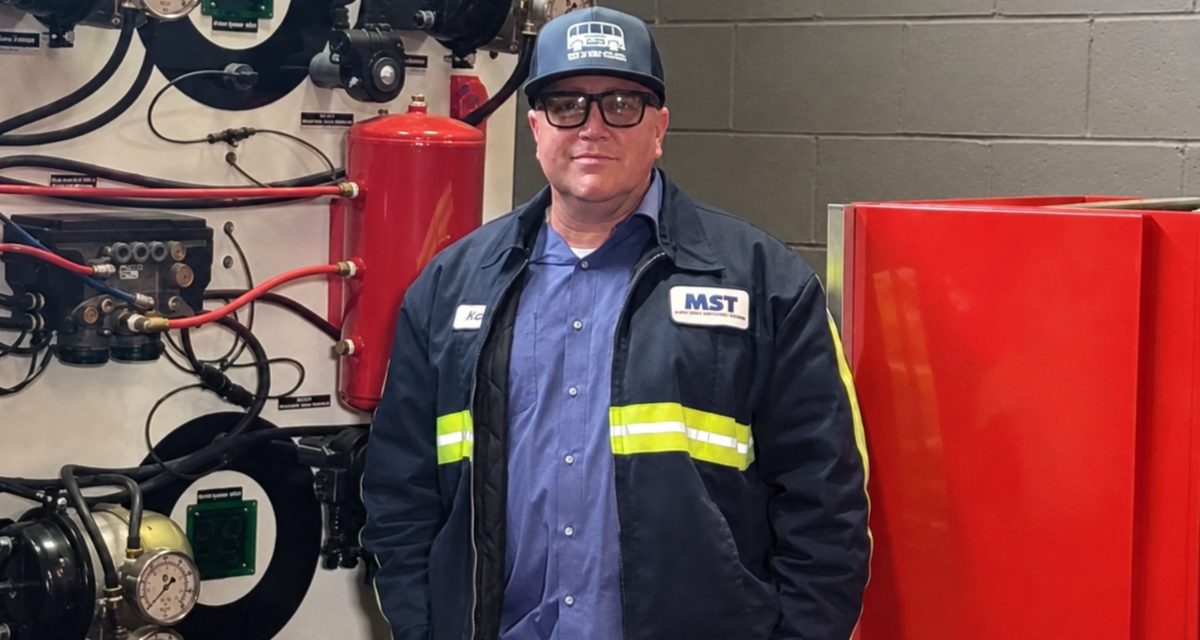
Robert Clamon has built his career by learning from every role, every setback, and every person around him. He grew up in Santa Cruz, California, graduated from Soquel High School in 1996, and later continued his education at the University of Phoenix.
His career began as a mechanic at San Jose BMW, where he developed a strong respect for precision, accountability, and understanding the work from the ground up. That hands-on experience later shaped the way he approached management. Robert went on to serve as General Manager at Weston’s Auto Body and Fleet Supervisor at Monterey-Salinas Transit. Today, he works as an Area Fleet Operations Supervisor with PG&E in San Jose.
Throughout his career, Robert has tried to lead through consistency rather than titles. He believes integrity, honesty, and dependability are qualities people notice over time. He also makes a point of learning something new each day and encourages the people around him to stay curious. One of the most difficult periods in his life came after a serious motorcycle accident, and the recovery process changed how he thinks about patience, resilience, and progress.
We spoke with Robert about what inspires him, how he approaches risk, and why some of the most valuable lessons in his career came from moments that did not go according to plan.
What inspires you most in your work?
I’m inspired by people who take pride in what they do, even when nobody is watching. When I was a mechanic at San Jose BMW, I saw how much attention goes into doing a job properly and how one small detail can make a big difference. That stayed with me as I moved into leadership roles.
Now that I’m in management, I still notice the person who stays a few extra minutes to help somebody, catches a problem before it becomes bigger, or takes the time to teach a newer employee something useful. Those small actions tell you a lot about a person, and they often have a bigger impact than people realise.
Who has influenced your approach to leadership?
A lot of the people I’ve worked beside over the years have influenced how I lead. I’ve learned something from almost every job I’ve had. Working as a mechanic taught me the technical side of the business and gave me respect for the people doing the hands-on work.
At Weston’s Auto Body, I learned more about managing people, workflow, and day-to-day operations. At Monterey-Salinas Transit, I saw how one part of a fleet can affect an entire system. Those experiences taught me not to assume that being the manager means you have all the answers. Some of the best ideas come from the people doing the work every day.
How do you help people feel confident in their ideas?
I usually start by asking them to explain the problem they’re trying to solve. Sometimes people hesitate because they think an idea has to be fully developed before they bring it up, but I don’t think that’s true. A good idea can start as a simple observation.
If somebody sees a better way to do something, I want to hear it. We can work through the details together and see whether it makes sense. I also try not to overcomplicate things. A good idea doesn’t have to sound impressive. It just has to make something safer, easier, or more effective.
Has taking risks played a role in your career?
Definitely, although I don’t think every risk has to be dramatic. Moving from being a mechanic into management was a risk in its own way because the responsibilities are completely different.
You go from being responsible for your own work to being responsible for a much bigger picture. You have to trust people, make decisions without always having perfect information, and accept that sometimes you’ll get something wrong. I’ve learned to make the best decision I can with what I know at the time, then adjust if new information comes in.
What experience changed your perspective the most?
My motorcycle accident changed my perspective in a major way. It was serious, and recovery took time. There were days when progress felt very small, and that forced me to become more patient with myself.
That experience taught me not to underestimate small steps. At work, people sometimes want to fix everything at once, but recovery showed me that improvement can happen one decision, one task, or one day at a time. That mindset still helps me when things feel overwhelming. I take a deep breath, focus on the next thing in front of me, and keep moving.
How do you deal with failure?
I try to learn from it quickly instead of spending too much time defending what went wrong. I’ve made mistakes in my career, just like everyone else, and I think the important part is whether you own them.
If something didn’t work, I want to understand why. Sometimes the lesson comes from your own mistake, and sometimes it comes from watching somebody else make one. Either way, there is usually something useful you can take from the experience if you’re willing to look at it honestly.
What keeps you curious after so many years in your field?
I challenge myself to learn something new every day. It might be something technical, a different way of managing a process, or something I learn from another person.
I think people get into trouble when they decide they already know enough. There is always something you can improve, and staying curious helps you avoid getting too comfortable with the way things have always been done.
How do you know when you’ve had a positive impact on someone?
One of the best signs is hearing that someone mentioned something you taught them when you weren’t there. I’ve always believed that your reputation is built when you’re not in the room.
If people say you were dependable, that you helped them, or that you made the team better, that means more to me than a title. To me, that says the way you worked and treated people had a lasting effect.
What advice would you give someone trying to move forward in their own career?
Don’t dismiss the job you have now because you’re focused on the job you want next. Learn everything you can from where you are, because you may not realise how useful that experience will become later.
My time as a mechanic still affects how I manage today, even though I didn’t know that would happen when I was doing the work. Give people a reason to trust you, be honest, show up, learn from mistakes, and help someone when you can. Those things build over time, and they usually matter more than trying to rush your way into the next title.
About The Author