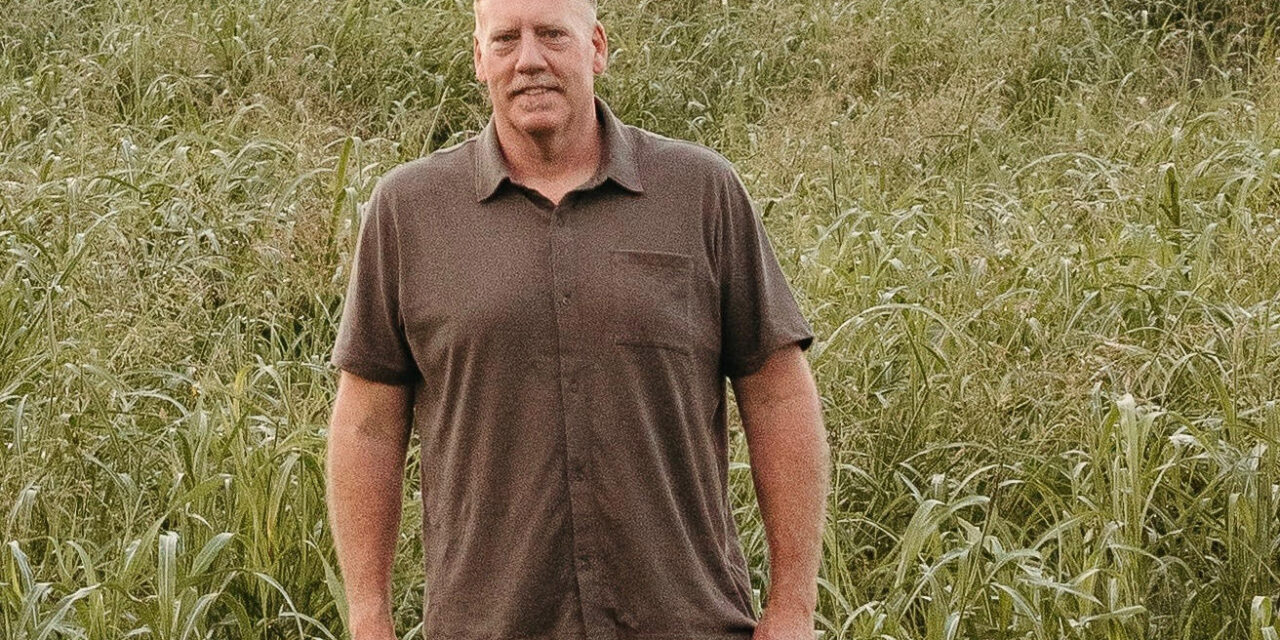
A Career Built on Discipline and Adaptability
For James Brady Washburn, leadership was never just a title—it was a way of life learned through decades of discipline, both on the football field and in the business world. “Football taught me how to focus under pressure and adapt quickly,” Washburn says. “Those lessons translate directly to how I run a company today.”
Washburn’s path to becoming CEO of Mid South Wound LLC wasn’t a straight line, but it was one defined by constant growth. Raised in a football family—his father, Jim Washburn, coached in the NFL, and his brother, Jeremiah, currently coaches for the Philadelphia Eagles—Brady was immersed in the game from the start. Moving frequently as a child taught him how to connect with new people quickly, a skill that would later serve him in boardrooms and business negotiations.
Early Success on the Field
By the time he reached high school in Fayetteville, Arkansas, Brady was making a name for himself as a standout athlete. In 1998, he was named Gatorade Player of the Year for Arkansas, an award recognizing not just talent but dedication and work ethic. “That year taught me how preparation meets opportunity,” he recalls.
His college career began at Clemson University, where he played from 1998 to 2000, before transferring to Appalachian State University. There, he competed until 2002, refining not only his athletic skills but also his leadership style.
Transitioning from Athlete to Executive
After earning his Bachelor of Business Administration from Lipscomb University in 2007, Washburn shifted focus from sports to business. “It was a big change,” he admits. “But the principles—teamwork, strategy, accountability—are the same.”
In the healthcare sector, he found a calling that combined operational leadership with compassion for patient needs. Today, as CEO of Mid South Wound LLC, he leads a company that delivers advanced wound care solutions, often working with vulnerable patient populations. “Wound care is about more than treatment,” Washburn says. “It’s about giving people back their quality of life.”
Building a Team Like a Coach
Washburn approaches leadership the way a coach builds a championship team. He recruits for adaptability, cultural fit, and resilience, not just technical skill. “In sports, you don’t always have the biggest or fastest players, but you can win with the smartest, most adaptable team,” he explains.
This philosophy has helped Mid South Wound expand its reach and strengthen its operations. He encourages a culture of open feedback, where even front-line staff feel empowered to propose changes.
Lessons from Setbacks
Not every play call works as planned. Early in his healthcare leadership career, Washburn underestimated the time needed to train staff on new software. The rushed rollout caused delays in reporting and patient follow-ups. “I learned that rollout speed should never outpace learning speed,” he says. The experience reinforced his belief in phased implementation and ongoing training.
Balancing Business with Family
Despite his demanding role, Washburn prioritizes being present for his four children. His son, Cash, is a standout high school football player at Rabun Gap High School in Georgia, currently attracting college recruitment attention. “Watching him develop reminds me of my own path,” Washburn says. “It’s a privilege to guide him while letting him find his own way.”
He often blends family and leadership lessons, encouraging his kids to see challenges as opportunities. “Whether it’s on the field or in business, resilience matters more than the scoreboard,” he notes.
The Future of Wound Care
Looking ahead, Washburn is interested in how portable diagnostic tools can transform wound care by allowing remote monitoring. “Technology can make care more efficient and accessible, especially for patients in rural areas,” he says. His team is also working on a new website to better connect with patients, partners, and the healthcare community.
Key Takeaways from His Leadership Journey
For Washburn, the through-line from football to business is clear: preparation, adaptability, and trust in your team. “In both worlds, you succeed when you execute the fundamentals and adjust when things don’t go as planned,” he says.
Key Learnings:
- Recruiting for adaptability and cultural fit builds stronger teams.
- Rollouts should match the pace of training to ensure lasting success.
- Lessons from sports—discipline, strategy, resilience—apply directly to business leadership.
- Technology like portable diagnostics can expand care access and improve patient outcomes.
- Balancing professional and personal commitments strengthens long-term leadership.
About The Author